
Protein Food Library
When can babies have branzino?
Can babies have branzino?
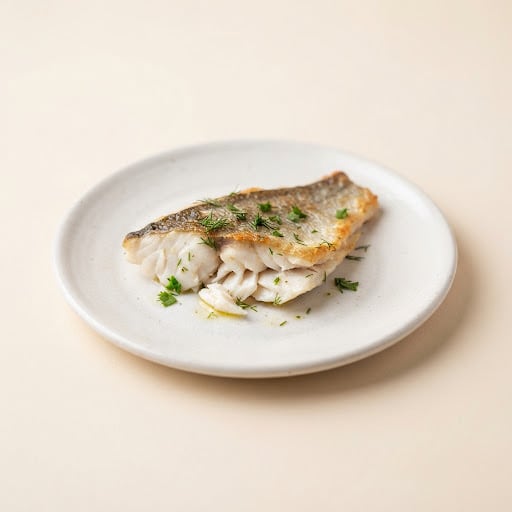
Babies can have branzino from about 6 months, fully cooked with every bone removed. Branzino, also called European sea bass, is a mild, flaky, low-mercury white fish that is easy for babies to eat. Branzino is a fish and counts as a common allergen, so introduce it in a small amount first.
How to serve branzino by age
Shapes and textures change as your baby’s grasp and chewing grow.

6 months
Bake, steam or pan-cook branzino until it is opaque and flakes easily, then remove all bones and the skin. Blend or mash the fish smoothly with potato, avocado, rice porridge or a little breast milk or formula and offer it on a spoon.

7–8 months
Mash cooked, boneless branzino with a fork so it keeps soft lumps, mixed into potato, rice or vegetables. You can also offer soft flakes your baby can scoop with hands, or soft fish cakes that fall apart when pressed.

9–12 months
Offer small, soft flakes of cooked branzino for pincer-grasp practice, or mix the flakes into pasta, rice or soft fish cakes. Keep checking every bite for small pin bones.

12 months +
Toddlers can eat flaked branzino with the family, served with rice, vegetables or in tacos. Crispy cooked skin is fine for toddlers who chew well, cut into small pieces.
Why it’s good
Branzino gives babies lean protein, omega-3 fats like DHA for brain and eye development, vitamin B12, vitamin D and selenium. Branzino is low in mercury, so it can be part of the 2 to 3 servings of fish a week that health agencies suggest for young children.
Safety notes
- Branzino has many small pin bones. Cook the fish, then flake it apart and feel through every piece with your fingers to remove all bones before serving.
- Cook branzino until it is opaque all the way through and flakes easily, or reaches 145 F (63 C). Do not serve raw or undercooked branzino, such as crudo or ceviche.
- Season branzino with lemon, herbs and olive oil instead of salt, and skip salt-crusted versions for babies.
- Buy branzino that smells fresh and mild, with clear eyes and firm flesh. Refrigerate it and cook within 1 to 2 days.
- Remove the skin for young babies, since it can be slippery and chewy. Toddlers can try small pieces of crispy skin.
Introduce branzino on its own, then keep it in
Branzino is a fish, and fish is one of the Top 9 allergens. Introduce it early in a small amount, watch for hives, vomiting, swelling, coughing or wheezing, and keep fish in the diet regularly once tolerated. Talk to your pediatrician first if your baby has severe eczema or another food allergy.
Branzino for babies: questions parents ask
Quick answers about branzino for babies and toddlers.
When can babies have branzino?
Babies can have branzino from about 6 months, when they start solids. Branzino should be fully cooked, with the skin and every bone removed, and served smoothly mashed at first, then in soft flakes.
Can babies have branzino?
Yes, babies can eat branzino. Branzino is a mild, low-mercury white fish that is soft and flaky when cooked, which makes it a good fish to introduce early.
Is branzino a choking hazard for babies?
Branzino is a low choking risk for babies when it is cooked and completely boneless. Branzino has many small pin bones, so flake the fish and feel through every piece before serving, and always stay close while your baby eats.
Is branzino a common allergen?
Yes, branzino is a common allergen because it is a fish, and fish is one of the Top 9 food allergens. Watch your baby closely the first few times you serve branzino or any new fish.
How do I serve branzino to a 6 month old?
To serve branzino to a 6 month old, bake or steam a fillet until it flakes easily, remove the skin and all the bones, and blend or mash the fish smoothly with potato, avocado or a little breast milk or formula. Offer it on a spoon, and save soft flakes for 7–8 months. A little olive oil or lemon adds flavor without salt.
Is branzino high in mercury?
No, branzino is considered a low-mercury fish. Branzino can be part of the 2 to 3 small fish meals a week recommended for young children, alongside other low-mercury fish like salmon and cod.
Is branzino the same as sea bass?
Branzino is the Italian name for European sea bass, also sold as Mediterranean sea bass or loup de mer. Branzino is a different fish from Chilean sea bass, which is higher in mercury.
How do I get the bones out of branzino for my baby?
The easiest way to get bones out of branzino is to cook it whole or as a fillet, then lift the flesh off the backbone and flake it apart with your fingers. Branzino pin bones are thin, so feel for them carefully rather than relying on looking alone.
Can babies have branzino skin?
Branzino skin is safe to eat when cooked, but it can be slippery and chewy for young babies, so remove it at first. Toddlers who chew well can try small pieces of crispy branzino skin.
The takeaway
- Babies can have branzino from about 6 months, fully cooked with every bone removed.
- Bake, steam or pan-cook branzino until it is opaque and flakes easily, then remove all bones and the skin.
- Choking risk is low. Fish is one of the Top 9 allergens: offer a small amount first, watch for a reaction, then keep it in the diet regularly.
Read next



Sources
This guide follows current advice from these organizations.
- Starting Solid Foods American Academy of Pediatrics (HealthyChildren.org)
- When, What, and How to Introduce Solid Foods Centers for Disease Control and Prevention
- Choking Hazards Centers for Disease Control and Prevention
- Advice about Eating Fish U.S. Food and Drug Administration
- The Effects of Early Nutritional Interventions on the Development of Atopic Disease in Infants and Children Greer FR, Sicherer SH, Burks AW; American Academy of Pediatrics. Pediatrics. 2019;143(4):e20190281
Track every new food in your baby’s passport
Track the first 100 foods and the Top 9 allergens. 7 days free.
More protein foods for babies

Updated November 2026. Reviewed by our dietitians. Based on AAP, CDC and NIAID guidance. Written for healthy, full-term babies; not a substitute for your pediatrician. If your baby was born early, has a medical condition, feeding difficulties or a known allergy, check with them first (medical disclaimer). Always stay with your baby while they eat.