
Protein Food Library
When can babies have carp?
Can babies have carp?
Babies can have carp from 6 months, fully cooked, flaked and carefully checked for bones. Carp is a mild freshwater fish with protein, omega-3 fats and vitamin B12, and it is a low-mercury choice. Carp has many small, forked bones, and fish is a common allergen, so introduce it with care.
How to serve carp by age
Shapes and textures change as your baby’s grasp and chewing grow.

6 months
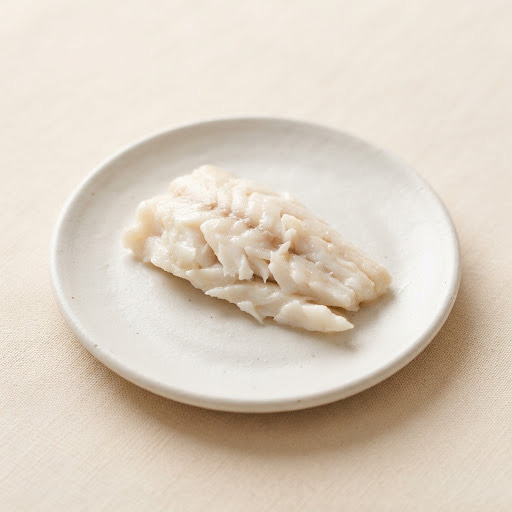
Bake, steam or poach carp fillet until it flakes easily and reaches 145°F (63°C), then pick through it carefully by hand to remove every bone. Blend or mash the flakes smooth with potato, rice or a vegetable puree and a little cooking liquid, and offer it on a spoon.

7–8 months
Mash boneless cooked carp flakes roughly into potato, rice or vegetables for a lumpier texture. You can also press the flakes into soft fish patties about the size of an adult finger that fall apart easily when squeezed.

9–12 months
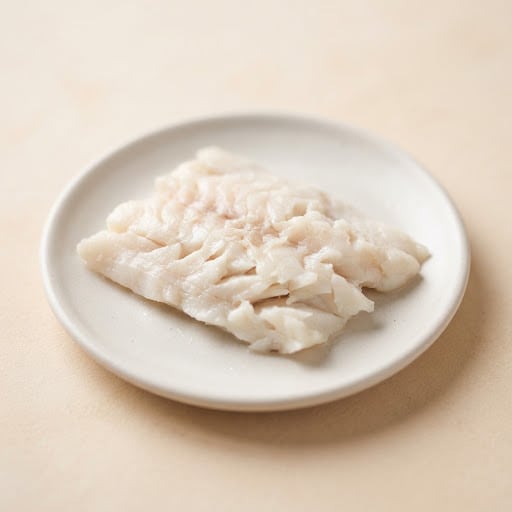
Offer small, boneless flakes of cooked carp for your baby to pick up with the pincer grasp, or serve soft carp fish cakes cut into strips. Keep checking each piece for the thin Y-shaped bones.

12 months +
Toddlers can have carp in family dishes like baked fish, soups or fish balls, still with all bones removed. Go easy on salt in fried or smoked carp dishes and on rich holiday recipes.
Why it’s good
Carp gives babies high-quality protein, vitamin B12, phosphorus, selenium and omega-3 fats that support brain and eye development. Carp also provides some zinc and a modest amount of iron. Eating a variety of low-mercury fish once or twice a week is recommended for young children.
Safety notes
- Carp has many fine, forked bones in the flesh, not just along the spine. Flake the fish with your fingers and remove every bone before serving, or buy deboned or scored fillets.
- Cook carp until it is opaque and flakes easily, to 145°F (63°C). Never serve raw, undercooked or cold-smoked carp to babies.
- Wild carp from polluted rivers and lakes can contain PCBs and other contaminants. Choose farmed or store-bought carp, or check local fish advisories before eating your own catch.
- Carp is a low-mercury fish, but serve a variety of fish rather than relying on one kind.
- Salted, smoked or fried carp is high in sodium and fat. Choose plain baked, steamed or poached fish for babies.
Introduce carp on its own, then keep it in
Carp is a fish, and fish is one of the Top 9 allergens, so introduce carp in a small amount and watch for hives, swelling, vomiting, coughing or wheezing. If your baby has eczema or another food allergy, ask your pediatrician before introducing fish, and once fish is tolerated keep it in the diet regularly.
Carp for babies: questions parents ask
Quick answers about carp for babies and toddlers.
When can babies have carp?
Babies can have carp from 6 months, once they start solids. Carp must be fully cooked and every bone removed before serving.
Can babies have carp?
Yes, babies can eat carp, and carp is a nutritious, low-mercury fish. The main challenge with carp is its many small bones, so careful deboning is essential.
Is carp a choking hazard for babies?
Carp can be a choking hazard for babies because of its many fine, forked bones. Flaking carp by hand and checking every piece, or using deboned fillets, makes it safe to serve.
Is carp a common allergen?
Yes, carp is a common allergen because fish is one of the Top 9 food allergens. Carp contains parvalbumin, a protein that causes many fish allergies, so a child allergic to one fish may react to carp too.
How do I serve carp to a 6 month old?
To serve carp to a 6 month old, bake or steam a carp fillet until it flakes, remove every bone, then blend or mash the flakes smooth with potato, rice or vegetable puree and offer it on a spoon. Soft carp patties can follow at 7–8 months. Offer a small amount at first and watch for allergy signs.
Is carp high in mercury?
Carp is listed in the FDA's 'Good Choices' group, which is moderate in mercury, so limit it to about one serving a week. Wild carp from polluted waters can carry other contaminants, so check local advisories if the fish is caught locally.
How do I remove the bones from carp for my baby?
To remove the bones from carp, cook the fish first, then gently pull the flesh apart with your fingers and feel for thin, forked bones. Buying carp fillets that are scored or deboned by the fishmonger makes the job easier.
Why does carp taste muddy?
Carp can taste muddy because of compounds from the water and algae where it lives. Removing the dark strip along the side of the fillet, soaking it in cow's milk or water, and buying farmed carp from clean water helps give carp a milder taste.
How often can babies eat carp?
Carp is on the FDA's 'Good Choices' list, so offer it about once a week and choose 'Best Choices' fish such as salmon, cod or sardines for other fish meals. A portion for a young child is small, about 1 ounce, alongside vegetables and grains.
The takeaway
- Babies can have carp from 6 months, fully cooked, flaked and carefully checked for bones.
- Bake, steam or poach carp fillet until it flakes easily and reaches 145°F (63°C), then pick through it carefully by hand to remove every bone.
- Choking risk is medium. Fish is one of the Top 9 allergens: offer a small amount first, watch for a reaction, then keep it in the diet regularly.
Read next


Sources
This guide follows current advice from these organizations.
- Starting Solid Foods American Academy of Pediatrics (HealthyChildren.org)
- When, What, and How to Introduce Solid Foods Centers for Disease Control and Prevention
- Choking Hazards Centers for Disease Control and Prevention
- Choking Prevention American Academy of Pediatrics (HealthyChildren.org)
- Foods and Drinks to Avoid or Limit Centers for Disease Control and Prevention
- Advice about Eating Fish U.S. Food and Drug Administration
- The Effects of Early Nutritional Interventions on the Development of Atopic Disease in Infants and Children Greer FR, Sicherer SH, Burks AW; American Academy of Pediatrics. Pediatrics. 2019;143(4):e20190281
Track every new food in your baby’s passport
Track the first 100 foods and the Top 9 allergens. 7 days free.
More protein foods for babies
Updated November 2026. Reviewed by our dietitians. Based on AAP, CDC and NIAID guidance. Written for healthy, full-term babies; not a substitute for your pediatrician. If your baby was born early, has a medical condition, feeding difficulties or a known allergy, check with them first (medical disclaimer). Always stay with your baby while they eat.