
Herbs & spices Food Library
When can babies have black pepper?
Can babies have black pepper?
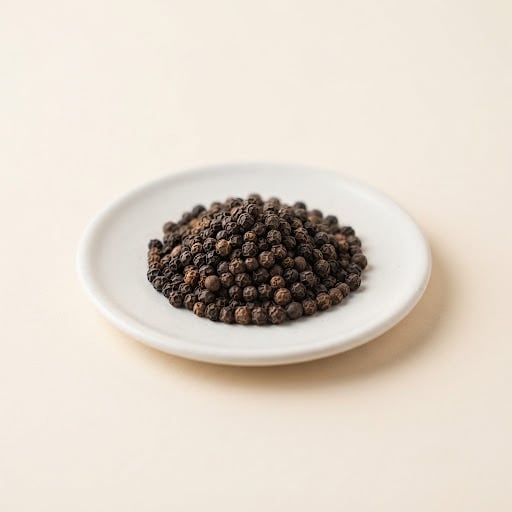
Babies can have black pepper from about 6 months, as a light sprinkle of ground pepper cooked into their food. Black pepper adds flavor without salt and helps babies get used to family tastes. Avoid whole peppercorns and coarse cracked pepper, and start with a tiny pinch.
How to serve black pepper by age
Shapes and textures change as your baby’s grasp and chewing grow.

6 months
Stir a tiny pinch of finely ground black pepper into smooth purees your baby already eats, such as mashed avocado, pureed squash or blended lentils. Mix it in well so there are no clumps, and cook it into the food when you can for a milder taste.

7–8 months
Keep adding a tiny pinch of fine black pepper to thicker, lumpier mashes and to soft foods like scrambled egg or soft-cooked vegetables. Mix it into moist food rather than sprinkling it on top.

9–12 months
Keep seasoning shared family foods with a light dusting of fine black pepper instead of salt. Pepper works well on soft omelet strips, pasta, potato wedges and shredded chicken.

12 months +
Toddlers can eat black pepper as part of everyday family cooking. Keep the amount moderate, use a fine grind, and skip whole peppercorns in stews unless you remove them all before serving.
Why it’s good
Black pepper is used in such small amounts that it does not add much nutrition to a baby's meal. Its real value is flavor: black pepper helps make food tasty without added salt and introduces babies to a wider range of tastes, which may make them more open to new foods later. Black pepper contains piperine, a compound that gives it its heat.
Safety notes
- Use finely ground black pepper only. Whole peppercorns are small, hard and round, and can be a choking hazard, so remove them from soups and stews before serving.
- Start with a tiny pinch. Too much black pepper can make a baby cough or sneeze if it is inhaled, and can irritate the mouth.
- Avoid pepper blends and seasoning mixes that contain added salt, sugar or MSG. Check the label for plain black pepper.
- Do not sprinkle loose pepper on top of dry food where it can be breathed in. Mix it into moist food instead.
- If your baby gets a red rash around the mouth, that is usually skin irritation from the food rather than an allergy, but call your pediatrician if you see hives elsewhere, swelling or vomiting.
A low-allergy food, still worth watching
Black pepper is not a common allergen and is not one of the Top 9 allergens, though spice allergies can happen rarely. Introduce it in a small amount and watch for hives, swelling or vomiting.
Black pepper for babies: questions parents ask
Quick answers about black pepper for babies and toddlers.
When can babies have black pepper?
Babies can have black pepper from about 6 months, once they have started solids. Black pepper should be finely ground and used in small amounts mixed into food.
Can babies have black pepper?
Yes, babies can eat black pepper in small amounts. Black pepper is a good way to add flavor to baby food without using salt, which babies under 12 months should avoid adding.
Is black pepper a choking hazard for babies?
Finely ground black pepper is a low choking risk for babies when it is mixed into food. Whole peppercorns are a choking hazard, so always take them out of dishes before serving, and avoid coarsely cracked pepper for young babies.
Is black pepper a common allergen?
Black pepper is not a common allergen and is not one of the Top 9 food allergens. Rare spice allergies do exist, so offer a small amount first and watch for signs of a reaction.
How do I serve black pepper to a 6 month old?
To serve black pepper to a 6 month old, stir a tiny pinch of finely ground pepper into a food they already know, like mashed sweet potato or scrambled egg. Black pepper tastes milder when it is cooked into the food rather than sprinkled on top.
Is black pepper too spicy for babies?
Black pepper is mildly spicy, and most babies handle a small amount well. Many babies enjoy bold flavors, so start with a pinch and increase slowly if your baby seems happy with it.
Is black pepper safe for babies?
Black pepper is safe for babies in the small amounts used in normal cooking. The main risks with black pepper are breathing in loose powder and choking on whole peppercorns, both of which are easy to avoid.
Can black pepper upset a baby's stomach?
Large amounts of black pepper may irritate a baby's tummy or bottom, but a light sprinkle in food rarely causes problems. If you notice fussiness, a sore bottom or loose stools after peppery meals, use less for a while.
Can I use lemon pepper or seasoning blends for my baby?
Lemon pepper and many seasoning blends contain added salt and sometimes sugar, so they are not a good fit for babies. Use plain black pepper and add your own lemon zest or herbs instead.
The takeaway
- Babies can have black pepper from about 6 months, as a light sprinkle of ground pepper cooked into their food.
- Stir a tiny pinch of finely ground black pepper into smooth purees your baby already eats, such as mashed avocado, pureed squash or blended lentils.
- Choking risk is low. Not a Top 9 allergen, but offer a small amount first and watch for any reaction.
Read next


Sources
This guide follows current advice from these organizations.
- Starting Solid Foods American Academy of Pediatrics (HealthyChildren.org)
- When, What, and How to Introduce Solid Foods Centers for Disease Control and Prevention
- Choking Hazards Centers for Disease Control and Prevention
- Foods and Drinks to Avoid or Limit Centers for Disease Control and Prevention
Recipes with black pepper
Track every new food in your baby’s passport
Track the first 100 foods and the Top 9 allergens. 7 days free.
More herbs and spices for babies
Updated November 2026. Reviewed by our dietitians. Based on AAP, CDC and NIAID guidance. Written for healthy, full-term babies; not a substitute for your pediatrician. If your baby was born early, has a medical condition, feeding difficulties or a known allergy, check with them first (medical disclaimer). Always stay with your baby while they eat.