
Herbs & spices Food Library
When can babies have bay leaves?
Can babies have bay leaves?
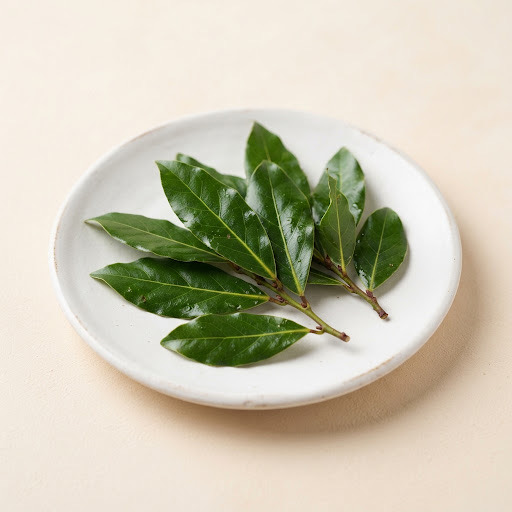
Babies can have foods flavored with bay leaf from 6 months, as long as every leaf is removed before serving. Whole bay leaves stay stiff and sharp after cooking and are a choking hazard. Simmer a leaf in soups, stews, beans or rice, then fish it out and count it before you serve.
How to serve bay leaves by age
Shapes and textures change as your baby’s grasp and chewing grow.

6 months
Add a whole bay leaf to a pot of lentils, beans, rice or soup while it cooks, then remove the leaf before blending your baby's portion into a smooth puree. Count the leaves in and count them out so none are left behind.

7–8 months
Keep using bay leaf only as a flavoring that is removed before serving. Food cooked with bay leaf can now be fork-mashed into a lumpier texture, so check each spoonful carefully for broken leaf pieces.

9–12 months
Keep using bay leaf only as a flavoring that is removed before serving. Check each spoonful of a stew or soup carefully, since leaves can break into sharp pieces.

12 months +
Toddlers can enjoy family soups and stews cooked with bay leaf, but the leaf itself still should not be eaten. Remove all leaves and fragments before serving, and teach older kids that bay leaves are for flavor only.
Why it’s good
Bay leaves add an earthy, savory aroma to food in tiny amounts and contribute almost no nutrition. Bay leaf helps make simple, salt-free baby meals like lentils, beans and broths taste richer.
Safety notes
- Always remove whole bay leaves before serving. Bay leaves stay tough and sharp-edged after cooking and can cause choking or scratch the throat.
- Count the bay leaves you add and count them out. Check for broken pieces, especially in pureed or blended food.
- Do not blend whole bay leaves into purees; the fibrous leaf does not break down smoothly and can leave sharp bits.
- Finely ground bay leaf powder is fine as a light seasoning, but use only a small pinch.
- Bay leaf tea is not recommended for babies. Before 12 months babies only need breast milk or formula and small sips of water.
A low-allergy food, still worth watching
Bay leaf is not a common food allergen, though rare skin and breathing reactions have been reported, mostly from handling the leaves. Watch for rash, hives or swelling the first time your baby eats food flavored with bay leaf.
Bay leaves for babies: questions parents ask
Quick answers about bay leaves for babies and toddlers.
When can babies have bay leaves?
Babies can have food flavored with bay leaves from 6 months, as long as the leaves are removed before serving. Bay leaves are used to flavor food, not to be eaten.
Can babies have bay leaves?
No, babies should not eat whole bay leaves, but babies can eat food that was cooked with bay leaves. Remove every leaf and any broken pieces before serving.
Is bay leaf a choking hazard for babies?
Yes, bay leaf is a choking hazard for babies because the whole leaf stays stiff and sharp even after long cooking. Always take bay leaves out of food before serving.
Is bay leaf a common allergen?
No, bay leaf is not a common food allergen. Allergic reactions are rare, but watch for rash or swelling when your baby first tries food cooked with bay leaf.
How do I serve bay leaf to a 6 month old?
To serve bay leaf to a 6 month old, simmer one leaf in a pot of lentils, beans, rice or soup, then remove it before mashing or serving. Count the leaves in and out to be sure none remain.
What happens if my baby swallows a bay leaf?
If a baby swallows a piece of bay leaf and is breathing, coughing and acting normally, watch closely for drooling, gagging, refusing food or pain. Call your pediatrician for advice, and call emergency services right away if your baby has trouble breathing.
Is ground bay leaf safe for babies?
Yes, finely ground bay leaf is safe for babies in small amounts because it is a fine powder rather than a whole leaf. Use just a pinch in soups or sauces.
Can babies drink bay leaf tea?
Babies under 12 months should not drink bay leaf tea or other herbal teas. Herbal teas can fill a small stomach and replace breast milk or formula, so check with your pediatrician before offering any herbal drink to a toddler.
Are fresh or dried bay leaves safer?
Fresh and dried bay leaves carry the same choking risk, so both must be removed before serving. Dried bay leaves are more brittle and can break into pieces, so check food carefully.
The takeaway
- Babies can have foods flavored with bay leaf from 6 months, as long as every leaf is removed before serving.
- Add a whole bay leaf to a pot of lentils, beans, rice or soup while it cooks, then remove the leaf before blending your baby's portion into a smooth puree.
- Choking risk is high. Not a Top 9 allergen, but offer a small amount first and watch for any reaction.
Read next


Sources
This guide follows current advice from these organizations.
- Starting Solid Foods American Academy of Pediatrics (HealthyChildren.org)
- When, What, and How to Introduce Solid Foods Centers for Disease Control and Prevention
- Choking Hazards Centers for Disease Control and Prevention
- Choking Prevention American Academy of Pediatrics (HealthyChildren.org)
Track every new food in your baby’s passport
Track the first 100 foods and the Top 9 allergens. 7 days free.
More herbs and spices for babies
Updated November 2026. Reviewed by our dietitians. Based on AAP, CDC and NIAID guidance. Written for healthy, full-term babies; not a substitute for your pediatrician. If your baby was born early, has a medical condition, feeding difficulties or a known allergy, check with them first (medical disclaimer). Always stay with your baby while they eat.