
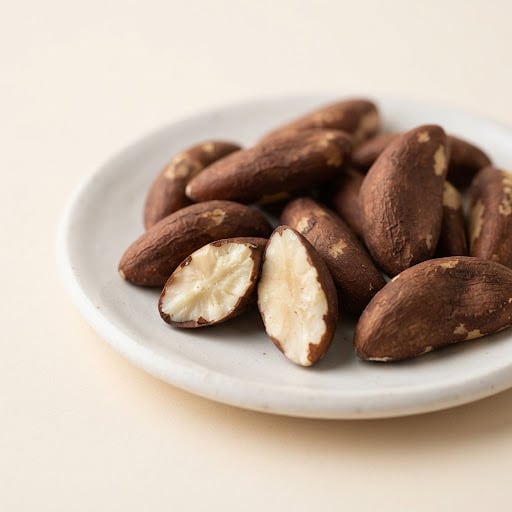
Nuts & seeds Food Library
When can babies have Brazil nuts?
Can babies have Brazil nuts?
Babies can have Brazil nuts from about 12 months, but only as a tiny amount of finely ground nut, never whole or in pieces. Brazil nuts are extremely high in selenium, so a single nut can hold about a full day's safe upper limit for a toddler. Brazil nuts are tree nuts, so introduce them carefully and watch for an allergic reaction.
How to serve Brazil nuts by age
Shapes and textures change as your baby’s grasp and chewing grow.

6 months
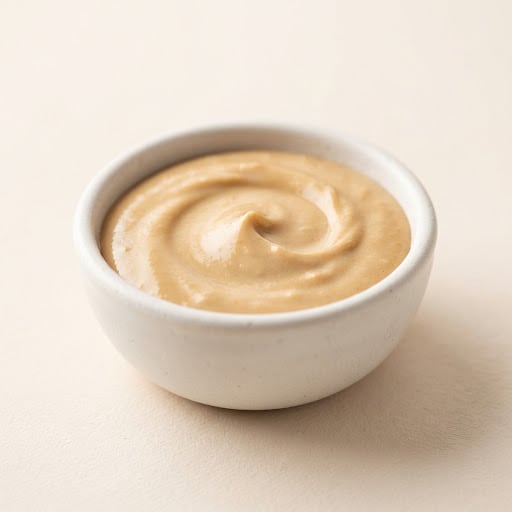
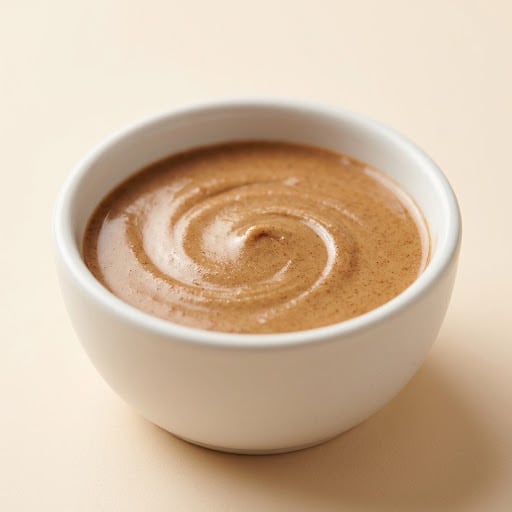
Hold off on Brazil nuts for now because of their very high selenium content. To introduce tree nuts at this age, stir a little smooth almond or cashew butter, thinned with breast milk, formula or water, into smooth oatmeal or yogurt and offer it on a spoon. Never offer whole or chopped nuts or thick globs of nut butter.

7–8 months
Keep waiting on Brazil nuts. Keep other tree nuts in the diet as thinned, smooth nut butters or finely ground nut powder stirred into thicker oatmeal, yogurt or mashed fruit, with no crunchy bits, whole nuts or thick globs.

9–12 months
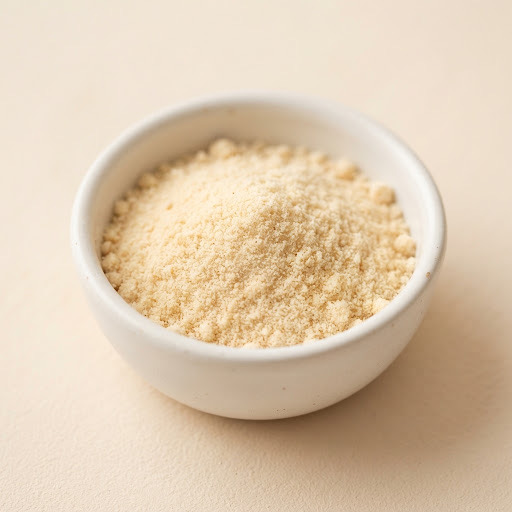
Keep waiting on Brazil nuts and keep other tree nuts in the diet as thinned, smooth nut butters or finely ground nut powder mixed into soft foods. Finely ground nuts should look like flour or sand, with no crunchy bits.

12 months +
Grind a single Brazil nut to a fine powder in a spice grinder, then stir a pinch (about a quarter of the nut) into oatmeal, yogurt, muffin batter or mashed fruit. Keep the rest in the fridge for another day, and offer Brazil nuts only now and then, not daily. Whole nuts and nut pieces stay off the menu until at least age 4.
Why it’s good
Brazil nuts give toddlers healthy fats, a little protein, magnesium, vitamin E and some iron and zinc. Their standout nutrient is selenium, which supports the thyroid and immune system, but Brazil nuts carry so much selenium that small portions are the only safe way to serve them. Ground Brazil nut is a flavor and nutrient boost, not a main food.
Safety notes
- Never give whole Brazil nuts or nut pieces to babies or toddlers. Whole nuts are a leading choking hazard, and Brazil nuts are large, hard and dense. Wait until at least age 4 for pieces, and longer for whole nuts.
- Brazil nuts are very high in selenium, and the amount varies a lot from nut to nut. Too much selenium over time can cause hair and nail problems, a garlic smell on the breath, upset stomach and irritability. Keep toddler portions to a pinch of ground nut, and not every day.
- Grind Brazil nuts to a fine, flour-like powder and mix it into moist food. Dry nut powder on its own can make a baby cough.
- Avoid selenium supplements and multivitamins with added selenium on days you serve Brazil nuts, unless your pediatrician advises otherwise.
- Do not use Brazil nut milk as a main drink. It lacks the protein, fat and calcium toddlers need from whole milk or breast milk.
Introduce brazil nut on its own, then keep it in
Brazil nuts are tree nuts, one of the Top 9 allergens, though Brazil nut allergy itself is less common than some other tree nut allergies. Offer a tiny amount the first time, watch for hives, swelling, vomiting, coughing or trouble breathing, and talk to your pediatrician first if your baby has severe eczema or another food allergy.
Brazil nuts for babies: questions parents ask
Quick answers about Brazil nuts for babies and toddlers.
When can babies have Brazil nuts?
Babies can have Brazil nuts from about 12 months, finely ground and in very small amounts. Brazil nuts are so high in selenium that waiting until the first birthday and keeping portions tiny is the safest approach.
Can babies have Brazil nuts?
Babies under 12 months should skip Brazil nuts, and toddlers can eat Brazil nuts only as a pinch of finely ground nut mixed into food. Whole or chopped Brazil nuts are never safe for babies and young toddlers because of choking risk.
Is Brazil nut a choking hazard for babies?
Yes, Brazil nuts are a high choking hazard for babies and young children when whole or in pieces. Brazil nuts should only be served finely ground into a powder and mixed into soft food, and nut pieces should wait until at least age 4.
Is Brazil nut a common allergen?
Brazil nuts are tree nuts, and tree nuts are one of the Top 9 food allergens in the US. A Brazil nut allergy is less common than some other nut allergies, but reactions can be serious, so introduce Brazil nuts carefully and watch closely the first few times.
How do I serve Brazil nuts to a 6 month old?
A 6 month old should not have Brazil nuts yet because of their very high selenium content. To introduce tree nuts at 6 months, use a thinned, smooth almond or cashew butter mixed into a soft food, and save Brazil nuts for after 12 months.
How many Brazil nuts can a toddler eat?
A toddler only needs a fraction of one Brazil nut, such as about a quarter of a nut ground to a powder, and not every day. A single Brazil nut can contain about as much selenium as a toddler's upper daily limit, so more is not better.
Why are Brazil nuts high in selenium?
Brazil nuts are high in selenium because Brazil nut trees pull selenium from the soil they grow in, and the amount varies widely by region. Because two Brazil nuts from the same bag can differ a lot, small portions protect toddlers from getting too much.
Can babies drink Brazil nut milk?
Babies under 12 months should not drink Brazil nut milk, since breast milk or formula should be the main drink. After 12 months, Brazil nut milk can be used in small amounts in cooking, but it is not a good substitute for whole cow's milk or breast milk.
Can I put Brazil nut in baby food or baked goods?
Yes, finely ground Brazil nut can go into toddler oatmeal, muffins, pancakes or energy balls after 12 months. Keep the total amount to about a quarter of a nut per toddler serving and grind it until there are no crunchy bits.
What are signs of too much selenium in a toddler?
Signs of too much selenium in a toddler can include a garlic smell on the breath, brittle nails, hair loss, upset stomach, diarrhea and irritability. Call your pediatrician if you notice these signs, especially if your toddler eats Brazil nuts or takes a supplement with selenium.
The takeaway
- Babies can have Brazil nuts from about 12 months, but only as a tiny amount of finely ground nut, never whole or in pieces.
- Grind a single Brazil nut to a fine powder in a spice grinder, then stir a pinch (about a quarter of the nut) into oatmeal, yogurt, muffin batter or mashed fruit.
- Choking risk is high. Tree nut is one of the Top 9 allergens: offer a small amount first, watch for a reaction, then keep it in the diet regularly.
Read next



Sources
This guide follows current advice from these organizations.
- Starting Solid Foods American Academy of Pediatrics (HealthyChildren.org)
- When, What, and How to Introduce Solid Foods Centers for Disease Control and Prevention
- Choking Hazards Centers for Disease Control and Prevention
- Choking Prevention American Academy of Pediatrics (HealthyChildren.org)
- Peanut Allergy: What to Know About the Latest Prevention Guidelines American Academy of Pediatrics (HealthyChildren.org)
- Foods and Drinks to Avoid or Limit Centers for Disease Control and Prevention
- Iron Centers for Disease Control and Prevention
- The Effects of Early Nutritional Interventions on the Development of Atopic Disease in Infants and Children Greer FR, Sicherer SH, Burks AW; American Academy of Pediatrics. Pediatrics. 2019;143(4):e20190281
Track every new food in your baby’s passport
Track the first 100 foods and the Top 9 allergens. 7 days free.
More nuts and seeds for babies
Updated November 2026. Reviewed by our dietitians. Based on AAP, CDC and NIAID guidance. Written for healthy, full-term babies; not a substitute for your pediatrician. If your baby was born early, has a medical condition, feeding difficulties or a known allergy, check with them first (medical disclaimer). Always stay with your baby while they eat.