
Dairy Food Library
When can babies have whipped cream?
Can babies have whipped cream?
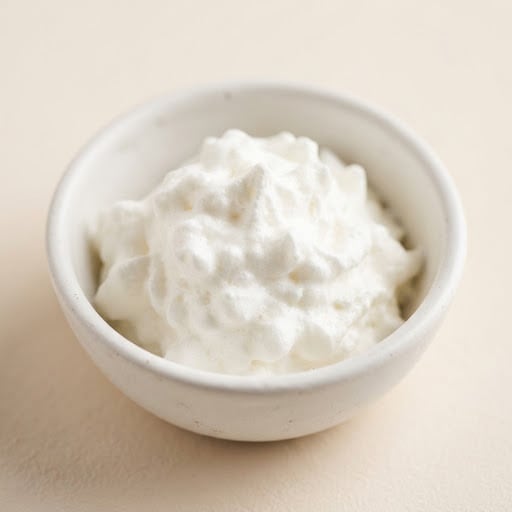
Babies can have a little homemade, unsweetened whipped cream from about 6 months, made from pasteurized cream. Canned and tub whipped toppings usually contain added sugar and are best saved until after 2 years. Whipped cream is made from milk and counts as a dairy allergen.
How to serve whipped cream by age
Shapes and textures change as your baby’s grasp and chewing grow.

6 months
Whip pasteurized heavy cream with no sugar until soft peaks form, then offer a small spoonful on a spoon or preloaded spoon, or swirl it into smooth fruit puree. Keep the amount to a teaspoon or two, since it is very rich.

7–8 months
Swirl a small spoonful of unsweetened whipped cream into lumpier mashed fruit, or smear it on a soft strip of banana or pancake your baby can hold. Keep the amount small.

9–12 months
Offer a small dollop of unsweetened whipped cream as a dip for soft fruit pieces, or swirl it into mashed berries or banana. Small amounts now and then are plenty.

12 months +
Toddlers can have a spoonful of homemade lightly whipped cream on fruit, pancakes or a birthday cake. After 2 years, sweetened whipped cream is fine as an occasional treat.
Why it’s good
Whipped cream is mostly milk fat, which gives babies energy and helps them absorb vitamins A, D, E and K. It also contains small amounts of vitamin A and calcium. It is low in protein and iron, so treat it as an extra rather than a main food.
Safety notes
- Use only pasteurized cream. Raw cream can carry Listeria, E. coli and other harmful bacteria.
- Skip sugar, honey and syrups. Honey is never safe before 12 months, and added sugar is best avoided before 2 years.
- Canned aerosol whipped cream and nondairy whipped toppings often contain sugar, oils and additives, so they are best saved for older toddlers.
- Whipped cream is very rich. Large amounts can fill a small tummy and crowd out iron-rich foods, so keep portions small.
- Keep homemade whipped cream in the fridge and use it within a day or two.
Introduce whipped cream on its own, then keep it in
Whipped cream is made from cow's milk, one of the Top 9 allergens. Introduce dairy in small amounts and watch for hives, vomiting, swelling or wheezing, and note that nondairy toppings may still contain milk proteins such as casein.
Whipped cream for babies: questions parents ask
Quick answers about whipped cream for babies and toddlers.
When can babies have whipped cream?
Babies can have a small amount of homemade, unsweetened whipped cream from about 6 months. Sweetened canned whipped cream is best saved for after 2 years.
Can babies have whipped cream?
Yes, babies can eat whipped cream in small amounts from 6 months if it is made from pasteurized cream with no added sugar. Whipped cream is very rich, so a teaspoon or two is enough.
Is whipped cream a choking hazard for babies?
Whipped cream is a low choking risk for babies because it is soft and melts in the mouth. Watch what it is served on, since whole berries, nuts or hard toppings can be choking hazards.
Is whipped cream a common allergen?
Yes, whipped cream is a common allergen because it is made from cow's milk, one of the Top 9 food allergens. Introduce a small amount and watch for signs of a reaction.
How do I serve whipped cream to a 6 month old?
To serve whipped cream to a 6 month old, whip pasteurized heavy cream without sugar and offer a small spoonful on a spoon or swirled into smooth fruit puree. Smearing it on a soft strip of banana or pancake can follow at 7–8 months.
Is canned whipped cream okay for babies?
Canned whipped cream usually contains added sugar and stabilizers, so it is best saved for toddlers over 2. Homemade whipped cream with no sugar is a simple swap.
Is nondairy whipped topping safe for babies?
Nondairy whipped topping is usually made from oils, sugar and additives, and some brands still contain milk proteins. Nondairy whipped topping is not a good choice for babies, including those with a milk allergy.
Can whipped cream be used for a first birthday smash cake?
Whipped cream makes a good frosting for a first birthday smash cake, especially when whipped with no sugar or just a little mashed fruit. Spread it thinly, since the cake and cream together are rich.
The takeaway
- Babies can have a little homemade, unsweetened whipped cream from about 6 months, made from pasteurized cream.
- Whip pasteurized heavy cream with no sugar until soft peaks form, then offer a small spoonful on a spoon or preloaded spoon, or swirl it into smooth fruit puree.
- Choking risk is low. Dairy is one of the Top 9 allergens: offer a small amount first, watch for a reaction, then keep it in the diet regularly.
Read next



Sources
This guide follows current advice from these organizations.
- Starting Solid Foods American Academy of Pediatrics (HealthyChildren.org)
- When, What, and How to Introduce Solid Foods Centers for Disease Control and Prevention
- Choking Hazards Centers for Disease Control and Prevention
- Foods and Drinks to Avoid or Limit Centers for Disease Control and Prevention
- Preventing Listeria Infection Centers for Disease Control and Prevention
- Dietary Guidelines for Americans, 2020-2025 U.S. Department of Agriculture and HHS
- The Effects of Early Nutritional Interventions on the Development of Atopic Disease in Infants and Children Greer FR, Sicherer SH, Burks AW; American Academy of Pediatrics. Pediatrics. 2019;143(4):e20190281
Track every new food in your baby’s passport
Track the first 100 foods and the Top 9 allergens. 7 days free.
More dairy foods for babies
Updated November 2026. Reviewed by our dietitians. Based on AAP, CDC and NIAID guidance. Written for healthy, full-term babies; not a substitute for your pediatrician. If your baby was born early, has a medical condition, feeding difficulties or a known allergy, check with them first (medical disclaimer). Always stay with your baby while they eat.