
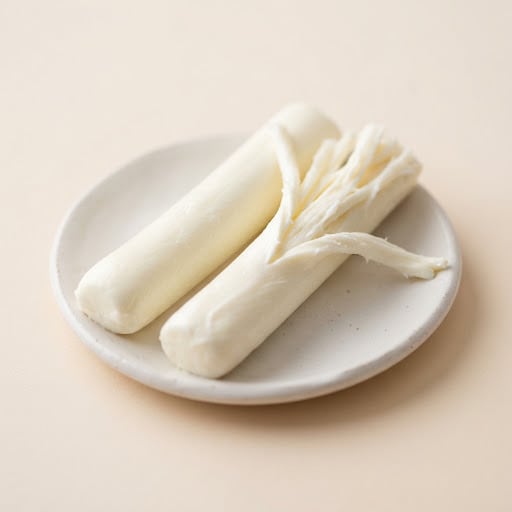
Dairy Food Library
When can babies have string cheese?
Can babies have string cheese?
Babies can have string cheese from about 12 months, pulled into very thin strands or melted. Whole sticks of string cheese are rubbery and bite off into chunks that can block the airway, so string cheese is a high choking risk for young children. String cheese is made from milk and counts as a dairy allergen.
How to serve string cheese by age
Shapes and textures change as your baby’s grasp and chewing grow.

6 months
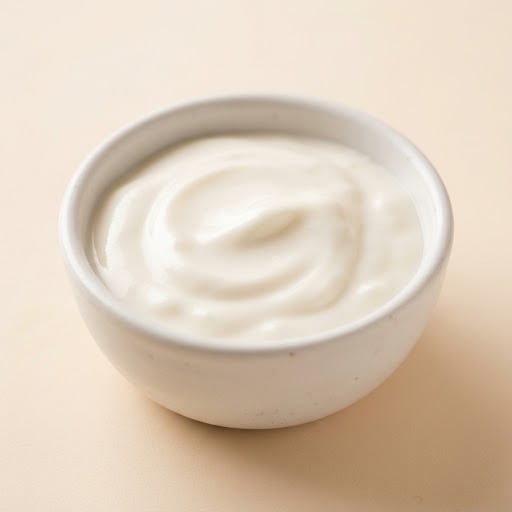
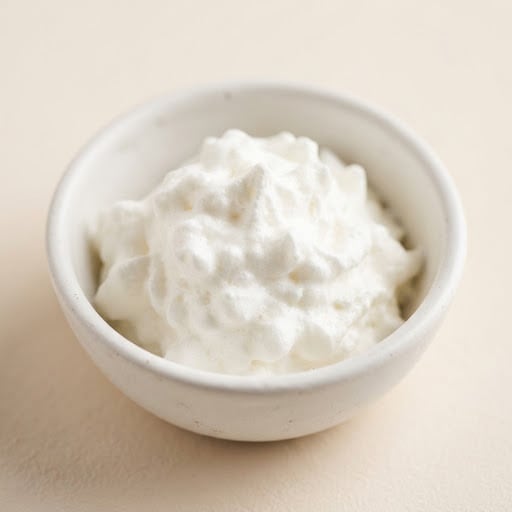
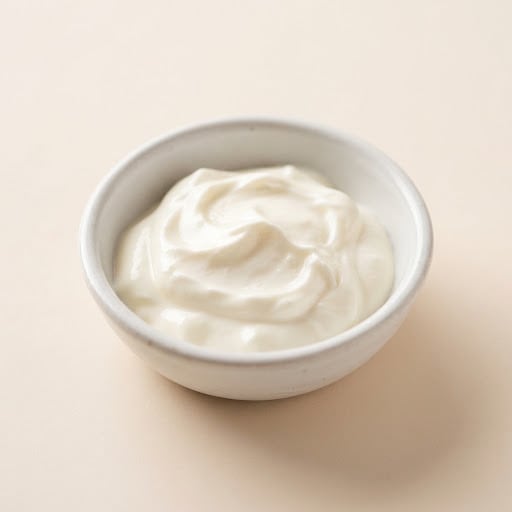
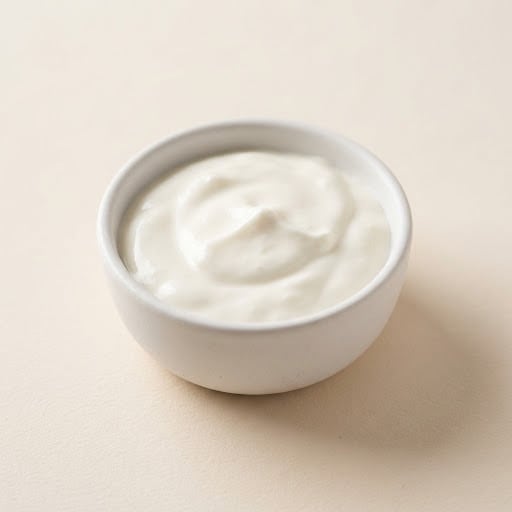
Wait on string cheese for now. To introduce dairy, offer plain whole-milk yogurt or smooth ricotta on a spoon, or melt a little shredded low-sodium mozzarella into a warm vegetable puree.

7–8 months
Keep waiting on string cheese, which is rubbery and bites off in chunks. Softer options include ricotta or cottage cheese stirred into lumpy mashes, or a thin layer of melted low-sodium mozzarella on a soft toast strip.

9–12 months
Keep waiting on string cheese. Grated or melted mozzarella mixed into pasta or eggs gives a similar mild taste without the rubbery texture.

12 months +
Pull string cheese into very thin strands, thinner than a strand of spaghetti, and cut them into short pieces, or melt string cheese onto toast or into pasta. Wait until about 3 years or later before letting your child bite from a whole stick, and always sit with them.
Why it’s good
String cheese gives toddlers protein, calcium, phosphorus and vitamin B12 for growing bones and muscles. Most string cheese is made from part-skim mozzarella, which is moderately salty, so it fits best as one of several snack options. String cheese is low in iron and fiber.
Safety notes
- Never give a whole stick of string cheese to a baby or young toddler. Bitten-off chunks are rubbery and can block the airway.
- Pull string cheese into very thin strands and cut them short, or melt it so it loses its rubbery texture.
- Large globs of melted cheese can also be hard to manage. Spread melted string cheese thinly.
- Choose string cheese made with pasteurized milk and check the sodium on the label. Some flavored or smoked varieties are much saltier.
- String cheese is a common on-the-go snack. Make sure your child is sitting down and supervised when eating it, not walking or riding in a car seat unattended.
Introduce string cheese on its own, then keep it in
String cheese is made from cow's milk, one of the Top 9 allergens. If your child has not had dairy yet, introduce it first with yogurt or soft cheese and watch for hives, vomiting, swelling, coughing or wheezing.
String cheese for babies: questions parents ask
Quick answers about string cheese for babies and toddlers.
When can babies have string cheese?
Babies can have string cheese from about 12 months, pulled into very thin strands or melted. Before 12 months, softer cheeses like ricotta or melted mozzarella are safer choices.
Can babies have string cheese?
Babies under 12 months should not eat string cheese because of its rubbery texture. From 12 months, toddlers can eat string cheese in very thin strands or melted into food.
Is string cheese a choking hazard for babies?
Yes, string cheese is a high choking risk for babies and toddlers. Bites of string cheese are rubbery and do not break down easily, so pull it into thin strands or melt it, and wait until around age 3 or later for whole sticks.
Is string cheese a common allergen?
Yes, string cheese is a common allergen because it is made from cow's milk, one of the Top 9 allergens. Introduce dairy with softer foods first and watch for signs of a reaction.
How do I serve string cheese to a 6 month old?
Do not serve string cheese to a 6 month old because it is a high choking risk. Offer plain whole-milk yogurt or ricotta on a spoon instead, and wait until 12 months for string cheese.
How do I make string cheese safe for a toddler?
To make string cheese safer for a toddler, peel it into very thin strands and cut them into short pieces, or melt string cheese onto toast, eggs or pasta. Always have your toddler sit down while eating.
When can kids eat a whole stick of string cheese?
Most children can eat a whole stick of string cheese from around age 3 or later, once they chew well and take small bites. Stay with your child and remind them to sit and chew.
Is string cheese healthy for toddlers?
String cheese is a convenient source of protein and calcium for toddlers. String cheese has moderate sodium, so offer it alongside fruit, vegetables and whole grains rather than as the only snack.
Is string cheese pasteurized?
Most string cheese sold in US stores is made from pasteurized milk. Check the label to make sure, especially with specialty or imported string cheese.
The takeaway
- Babies can have string cheese from about 12 months, pulled into very thin strands or melted.
- Pull string cheese into very thin strands, thinner than a strand of spaghetti, and cut them into short pieces, or melt string cheese onto toast or into pasta.
- Choking risk is high. Dairy is one of the Top 9 allergens: offer a small amount first, watch for a reaction, then keep it in the diet regularly.
Read next


Sources
This guide follows current advice from these organizations.
- Starting Solid Foods American Academy of Pediatrics (HealthyChildren.org)
- When, What, and How to Introduce Solid Foods Centers for Disease Control and Prevention
- Choking Hazards Centers for Disease Control and Prevention
- Choking Prevention American Academy of Pediatrics (HealthyChildren.org)
- Foods and Drinks to Avoid or Limit Centers for Disease Control and Prevention
- The Effects of Early Nutritional Interventions on the Development of Atopic Disease in Infants and Children Greer FR, Sicherer SH, Burks AW; American Academy of Pediatrics. Pediatrics. 2019;143(4):e20190281
Track every new food in your baby’s passport
Track the first 100 foods and the Top 9 allergens. 7 days free.
More dairy foods for babies
Updated November 2026. Reviewed by our dietitians. Based on AAP, CDC and NIAID guidance. Written for healthy, full-term babies; not a substitute for your pediatrician. If your baby was born early, has a medical condition, feeding difficulties or a known allergy, check with them first (medical disclaimer). Always stay with your baby while they eat.