
Veggies Food Library
When can babies have watercress?
Can babies have watercress?
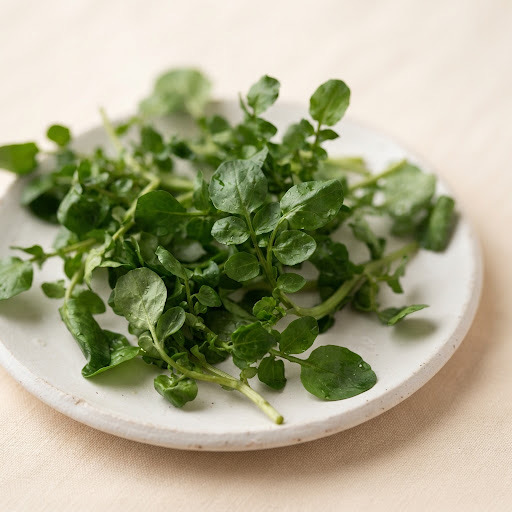
Babies can have watercress from about 6 months, cooked and finely chopped or blended into food. Watercress is a peppery leafy green full of vitamins, but raw sprigs can stick to the mouth and cause gagging. Wash it very well, since it grows in water and can carry germs.
How to serve watercress by age
Shapes and textures change as your baby’s grasp and chewing grow.

6 months
Wash watercress well, remove thick stems, then wilt it in a pan or simmer it in soup until soft. Blend it smooth into potato, pea or lentil puree, or into a thick soup, and offer it on a spoon.

7–8 months
Chop cooked watercress finely and stir it into lumpier foods like mashed potato, soft scrambled eggs or lentils. A thick blended watercress soup also works as a dip for a soft toast strip.

9–12 months
Offer finely chopped cooked watercress mixed into omelet strips, fritters, pasta or rice. Babies can now pick up small clumps of chopped greens in sticky foods.

12 months +
Toddlers can try small amounts of finely chopped raw watercress in sandwiches, egg salad or mixed salads with a soft dressing. Cooked watercress in soups and stir-fries remains an easy option.
Why it’s good
Watercress gives babies vitamin K, vitamin C, vitamin A, folate, calcium and potassium, and it is rich in antioxidants. Its vitamin C helps babies absorb iron from beans, lentils and fortified cereals eaten at the same meal. The peppery flavor is a good way to widen your baby's palate.
Safety notes
- Wash watercress very thoroughly under running water. It grows in water and can carry bacteria or parasites, so buy commercially grown cress and never use wild-picked watercress.
- Cook watercress for babies. Raw sprigs are thin and can stick to the roof of the mouth or throat and cause gagging.
- Chop cooked watercress finely and remove tough stems, which can be stringy.
- Watercress contains natural nitrates like other leafy greens. As part of a varied diet after 6 months this is not a concern; refrigerate cooked greens and use them within a day or two.
- Watercress wilts fast. Store it in the fridge, stems in water or wrapped in damp paper, and use within a couple of days.
A low-allergy food, still worth watching
Watercress is not a common allergen. Rarely, children who react to mustard or other cabbage-family plants may react to watercress, so start with a small amount and watch for hives, swelling or vomiting.
Watercress for babies: questions parents ask
Quick answers about watercress for babies and toddlers.
When can babies have watercress?
Babies can have watercress from about 6 months of age, cooked and finely chopped. Watercress can be wilted into eggs and mashes or blended into soups.
Can babies have watercress?
Yes, babies can eat watercress when it is washed well, cooked and chopped. Watercress is a nutrient-rich leafy green with a mild peppery flavor.
Is watercress a choking hazard for babies?
Watercress is a low choking risk when cooked and finely chopped. Raw watercress sprigs can stick to the mouth and cause gagging, so serve cooked watercress to babies and stay with them during meals.
Is watercress a common allergen?
No, watercress is not a common allergen. Introduce watercress in a small amount and watch for a reaction, especially if your child is allergic to mustard.
How do I serve watercress to a 6 month old?
To serve watercress to a 6 month old, wash it well, remove thick stems, wilt it until soft and blend it smooth into mashed potato, pea puree or a thick soup. Offer it on a spoon. Finely chopped watercress in eggs and mashes can follow at 7–8 months.
Can babies have raw watercress?
Raw watercress is best saved for toddlers who chew well, because raw sprigs can cause gagging in babies. Raw watercress must be washed very well, and cooking it lowers the risk of germs.
Is watercress too bitter for babies?
Watercress has a peppery, slightly bitter taste, but cooking makes watercress milder. Mix it with sweet or creamy foods like potato, pea or avocado, and offer it several times so your baby can get used to it.
Can I use wild watercress for my baby?
No, do not use wild watercress for babies. Wild watercress can grow in water contaminated with animal waste and may carry liver flukes or other parasites, so buy commercially grown watercress.
Is watercress soup good for babies?
Yes, homemade watercress soup blended with potato or peas is a great way to serve watercress to babies. Make watercress soup with water or low-sodium broth and add salt only to the family portion.
The takeaway
- Babies can have watercress from about 6 months, cooked and finely chopped or blended into food.
- Wash watercress well, remove thick stems, then wilt it in a pan or simmer it in soup until soft.
- Choking risk is low. Not a Top 9 allergen, but offer a small amount first and watch for any reaction.
Read next


Sources
This guide follows current advice from these organizations.
- Starting Solid Foods American Academy of Pediatrics (HealthyChildren.org)
- When, What, and How to Introduce Solid Foods Centers for Disease Control and Prevention
- Choking Hazards Centers for Disease Control and Prevention
- Recommended Drinks for Young Children Ages 0-5 American Academy of Pediatrics (HealthyChildren.org)
- Infant Methemoglobinemia: The Role of Dietary Nitrate in Food and Water Greer FR, Shannon M; American Academy of Pediatrics. Pediatrics. 2005;116(3):784-786
Track every new food in your baby’s passport
Track the first 100 foods and the Top 9 allergens. 7 days free.
More vegetables for babies
Updated November 2026. Reviewed by our dietitians. Based on AAP, CDC and NIAID guidance. Written for healthy, full-term babies; not a substitute for your pediatrician. If your baby was born early, has a medical condition, feeding difficulties or a known allergy, check with them first (medical disclaimer). Always stay with your baby while they eat.