
Protein Food Library
When can babies have tilefish?
Can babies have tilefish?
Babies can have Atlantic tilefish from about 6 months, fully cooked, flaked and boned, no more than once a week. Tilefish from the Gulf of Mexico is very high in mercury and should be avoided completely. Fish is a common allergen, so introduce it carefully.
How to serve tilefish by age
Shapes and textures change as your baby’s grasp and chewing grow.

6 months
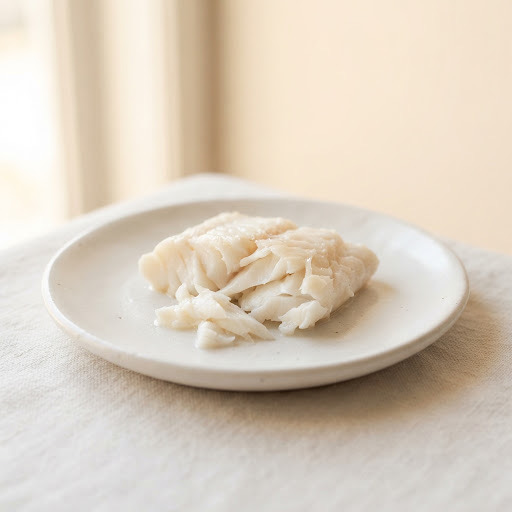
Bake or steam Atlantic tilefish until it flakes, remove every bone, then mash or blend it smooth with a little breast milk, formula or cooking water and mix it into smooth potato or vegetable puree. Offer it on a spoon, no more than once a week.

7–8 months
Fork-mash boneless Atlantic tilefish more roughly into mashed potato, rice or vegetables for a lumpier texture, or shape it into soft fish patties that fall apart easily for your baby to hold. Keep it to once a week.

9–12 months
Offer small flakes of Atlantic tilefish for pincer practice. Mix into rice or pasta.

12 months +
Toddlers can have Atlantic tilefish in fish cakes or with rice. Limit to once a week.
Why it’s good
Tilefish provides protein, vitamin B12, selenium and some omega-3 fats. Mercury levels vary a lot by where it is caught.
Safety notes
- Avoid tilefish from the Gulf of Mexico, which is very high in mercury.
- Atlantic tilefish is a moderate-mercury fish. Serve it no more than once a week.
- Cook to 145°F (63°C) and remove all bones.
- Ask where tilefish was caught. If you are not sure, choose a lower-mercury fish like salmon or cod.
Introduce tilefish on its own, then keep it in
Tilefish is a fish, one of the Top 9 allergens. Introduce a small amount and watch for hives, vomiting or swelling.
Tilefish for babies: questions parents ask
Quick answers about tilefish for babies and toddlers.
When can babies have tilefish?
Babies can have Atlantic tilefish from about 6 months, cooked and flaked, no more than once a week. Gulf of Mexico tilefish should be avoided.
Can babies have tilefish?
Babies can eat Atlantic tilefish occasionally. Tilefish from the Gulf of Mexico is too high in mercury for babies.
Is tilefish a choking hazard for babies?
Tilefish is a low choking risk when flaked and boned. Always check tilefish carefully for bones.
Is tilefish a common allergen?
Yes, tilefish is a common allergen because it is a fish, one of the Top 9 food allergens. Watch for signs of reaction.
How do I serve tilefish to a 6 month old?
To serve tilefish to a 6 month old, choose Atlantic tilefish, bake until it flakes, remove all bones and mash or blend it smooth into potato or vegetable puree on a spoon. Limit tilefish to once a week.
Is tilefish high in mercury?
Tilefish from the Gulf of Mexico is very high in mercury and should be avoided. Atlantic tilefish has moderate mercury and can be eaten once a week.
What fish are safer than tilefish for babies?
Safer fish than tilefish for babies include salmon, cod, tilapia, sardines and pollock. These fish are low in mercury.
How do I know where my tilefish was caught?
Ask your fishmonger or check the label to see where tilefish was caught. If the source is unknown, choose another fish.
The takeaway
- Babies can have Atlantic tilefish from about 6 months, fully cooked, flaked and boned, no more than once a week.
- Bake or steam Atlantic tilefish until it flakes, remove every bone, then mash or blend it smooth with a little breast milk, formula or cooking water and mix it into smooth potato or vegetable puree.
- Choking risk is low. Fish is one of the Top 9 allergens: offer a small amount first, watch for a reaction, then keep it in the diet regularly.
Read next



Sources
This guide follows current advice from these organizations.
- Starting Solid Foods American Academy of Pediatrics (HealthyChildren.org)
- When, What, and How to Introduce Solid Foods Centers for Disease Control and Prevention
- Choking Hazards Centers for Disease Control and Prevention
- Advice about Eating Fish U.S. Food and Drug Administration
- The Effects of Early Nutritional Interventions on the Development of Atopic Disease in Infants and Children Greer FR, Sicherer SH, Burks AW; American Academy of Pediatrics. Pediatrics. 2019;143(4):e20190281
Track every new food in your baby’s passport
Track the first 100 foods and the Top 9 allergens. 7 days free.
More protein foods for babies
Updated November 2026. Reviewed by our dietitians. Based on AAP, CDC and NIAID guidance. Written for healthy, full-term babies; not a substitute for your pediatrician. If your baby was born early, has a medical condition, feeding difficulties or a known allergy, check with them first (medical disclaimer). Always stay with your baby while they eat.