
Herbs & spices Food Library
When can babies have tarragon?
Can babies have tarragon?
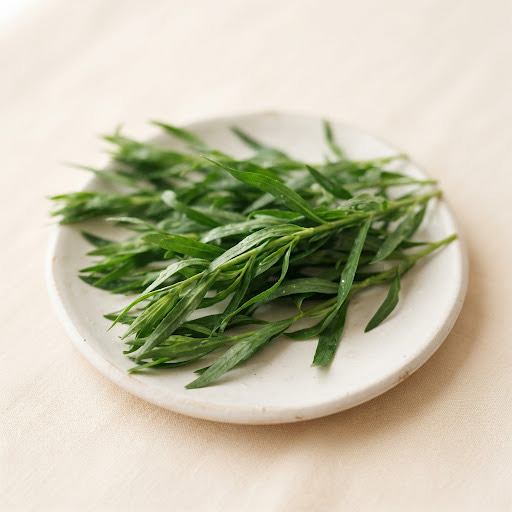
Babies can have tarragon from about 6 months when it is finely chopped and mixed into food. Tarragon has a gentle anise flavor that pairs well with chicken, eggs and vegetables. Tarragon is not a common allergen.
How to serve tarragon by age
Shapes and textures change as your baby’s grasp and chewing grow.

6 months
Stir a pinch of dried tarragon, or a little fresh tarragon blended smooth, into mashed potato, chicken puree or vegetable puree and offer it on a spoon.

7–8 months
Finely chop fresh tarragon and stir it into lumpier mashed potatoes, soft scrambled eggs or minced chicken.

9–12 months
Continue to use finely chopped tarragon in soft family foods like omelets, fish and vegetables.

12 months +
Toddlers can have tarragon in sauces, dressings and roasted dishes. Avoid whole stems.
Why it’s good
Tarragon adds flavor without salt and offers small amounts of antioxidants. Its main benefit is helping babies learn new flavors.
Safety notes
- Chop tarragon leaves finely and remove tough stems.
- Check dried herb blends for added salt or allergens.
- Use culinary amounts only. Do not give tarragon supplements or essential oils to babies.
A low-allergy food, still worth watching
Tarragon is not a common allergen. People with allergies to plants in the daisy family, such as ragweed, may rarely react.
Tarragon for babies: questions parents ask
Quick answers about tarragon for babies and toddlers.
When can babies have tarragon?
Babies can have tarragon from about 6 months when it is finely chopped and mixed into food. Tarragon adds gentle flavor to baby meals.
Can babies have tarragon?
Yes, babies can eat tarragon in small amounts. Use fresh or dried tarragon in cooking.
Is tarragon a choking hazard for babies?
Tarragon is a low choking risk when finely chopped. Whole leaves and stems may stick in the mouth, so chop them small.
Is tarragon a common allergen?
No, tarragon is not a common allergen. Rare reactions can occur in people with daisy family plant allergies.
How do I serve tarragon to a 6 month old?
To serve tarragon to a 6 month old, use a pinch of dried tarragon or blend a little fresh tarragon into a smooth food like mashed potato or chicken puree. Start with a small pinch.
Can babies have dried tarragon?
Yes, babies can have dried tarragon. Use about a third as much dried tarragon as fresh because the flavor is stronger.
Is tarragon safe for babies?
Tarragon is safe for babies in normal cooking amounts. Avoid tarragon supplements and essential oils.
What foods go well with tarragon for babies?
Tarragon pairs well with chicken, eggs, fish, carrots and potatoes for babies. Tarragon works well in creamy sauces too.
The takeaway
- Babies can have tarragon from about 6 months when it is finely chopped and mixed into food.
- Stir a pinch of dried tarragon, or a little fresh tarragon blended smooth, into mashed potato, chicken puree or vegetable puree and offer it on a spoon.
- Choking risk is low. Not a Top 9 allergen, but offer a small amount first and watch for any reaction.
Read next


Sources
This guide follows current advice from these organizations.
- Starting Solid Foods American Academy of Pediatrics (HealthyChildren.org)
- When, What, and How to Introduce Solid Foods Centers for Disease Control and Prevention
- Choking Hazards Centers for Disease Control and Prevention
- Foods and Drinks to Avoid or Limit Centers for Disease Control and Prevention
Track every new food in your baby’s passport
Track the first 100 foods and the Top 9 allergens. 7 days free.
More herbs and spices for babies
Updated November 2026. Reviewed by our dietitians. Based on AAP, CDC and NIAID guidance. Written for healthy, full-term babies; not a substitute for your pediatrician. If your baby was born early, has a medical condition, feeding difficulties or a known allergy, check with them first (medical disclaimer). Always stay with your baby while they eat.