
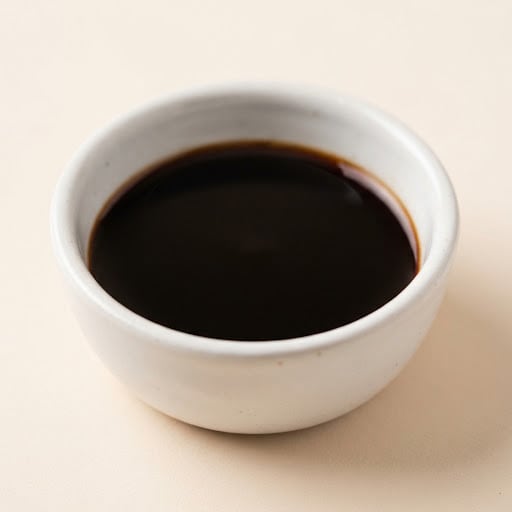
Herbs & spices Food Library
When can babies have tamari?
Can babies have tamari?
Babies can have tamari from about 6 months only as a few drops cooked into family food, since tamari is extremely high in sodium. Tamari is made from soybeans, so it is a common soy allergen. Low-sodium tamari is a better choice, but it is still salty.
How to serve tamari by age
Shapes and textures change as your baby’s grasp and chewing grow.

6 months
Add only a few drops of low-sodium tamari to a whole pan of vegetables, tofu or noodles that the family shares, then blend or mash baby's portion smooth for the spoon. Never offer tamari as a dipping sauce or by the spoonful.

7–8 months
Keep tamari to a few drops in shared dishes, and serve baby's portion as lumpy mashes or soft pieces like tender tofu or soft-cooked vegetables. Boost flavor with garlic, ginger or citrus instead of more tamari.

9–12 months
Keep tamari to a splash in shared dishes like fried rice or steamed vegetables. Boost flavor with garlic, ginger, sesame or citrus instead of more tamari.

12 months +
Toddlers can eat family stir-fries and noodle dishes made with a little tamari. Dilute tamari with water or unsalted broth if your toddler wants to dip.
Why it’s good
Tamari is used in tiny amounts, so it adds little nutrition besides savory, umami flavor. Tamari is very high in sodium, which babies need very little of, so its value is mainly taste in small amounts.
Safety notes
- Tamari is very high in sodium. A single tablespoon can be several times a baby's daily sodium needs, so use just a few drops in shared dishes.
- Choose reduced-sodium tamari and still use it sparingly.
- Do not use tamari as a dipping sauce for babies, and keep the bottle out of reach.
- Not all tamari is gluten-free. Check the label if your child has celiac disease or a wheat allergy.
Introduce tamari on its own, then keep it in
Tamari is made from soybeans, and soy is one of the Top 9 allergens. Introduce soy first with foods like tofu or soy milk yogurt, then add tamari in tiny amounts; some brands also contain wheat.
Tamari for babies: questions parents ask
Quick answers about tamari for babies and toddlers.
When can babies have tamari?
Babies can have tamari from about 6 months, but only a few drops cooked into a larger dish. Tamari is very salty, so it should never be served as a sauce for dipping.
Can babies have tamari?
Yes, babies can eat foods cooked with a small amount of tamari. Tamari should be a light seasoning in a shared family dish, not a separate sauce.
Is tamari a choking hazard for babies?
Tamari is not a choking hazard because it is a liquid seasoning. The main concern with tamari is its high sodium content.
Is tamari a common allergen?
Yes, tamari is a common allergen because it is made from soy, one of the Top 9 food allergens. Some tamari also contains wheat.
How do I serve tamari to a 6 month old?
To serve tamari to a 6 month old, add a few drops of low-sodium tamari to a whole pan of vegetables or tofu, then blend your baby's portion smooth and offer it on a spoon. Do not add tamari directly to your baby's plate.
Is tamari gluten-free?
Tamari is often gluten-free because it is made with little or no wheat, but not every brand is. Look for a gluten-free label if your child needs to avoid gluten.
How is tamari different from soy sauce?
Tamari is a Japanese-style soy sauce made mostly or entirely from soybeans, while regular soy sauce is brewed with wheat. Both are very high in sodium and should be used sparingly for babies.
What can I use instead of tamari for my baby?
Instead of tamari, flavor baby food with garlic, ginger, scallion, toasted sesame oil, lime juice or a little unsalted broth. These add savory flavor without the salt.
The takeaway
- Babies can have tamari from about 6 months only as a few drops cooked into family food, since tamari is extremely high in sodium.
- Add only a few drops of low-sodium tamari to a whole pan of vegetables, tofu or noodles that the family shares, then blend or mash baby's portion smooth for the spoon.
- Choking risk is low. Soy is one of the Top 9 allergens: offer a small amount first, watch for a reaction, then keep it in the diet regularly.
Read next

Sources
This guide follows current advice from these organizations.
- Starting Solid Foods American Academy of Pediatrics (HealthyChildren.org)
- When, What, and How to Introduce Solid Foods Centers for Disease Control and Prevention
- Choking Hazards Centers for Disease Control and Prevention
- Foods and Drinks to Avoid or Limit Centers for Disease Control and Prevention
- The Effects of Early Nutritional Interventions on the Development of Atopic Disease in Infants and Children Greer FR, Sicherer SH, Burks AW; American Academy of Pediatrics. Pediatrics. 2019;143(4):e20190281
Track every new food in your baby’s passport
Track the first 100 foods and the Top 9 allergens. 7 days free.
More herbs and spices for babies
Updated November 2026. Reviewed by our dietitians. Based on AAP, CDC and NIAID guidance. Written for healthy, full-term babies; not a substitute for your pediatrician. If your baby was born early, has a medical condition, feeding difficulties or a known allergy, check with them first (medical disclaimer). Always stay with your baby while they eat.