
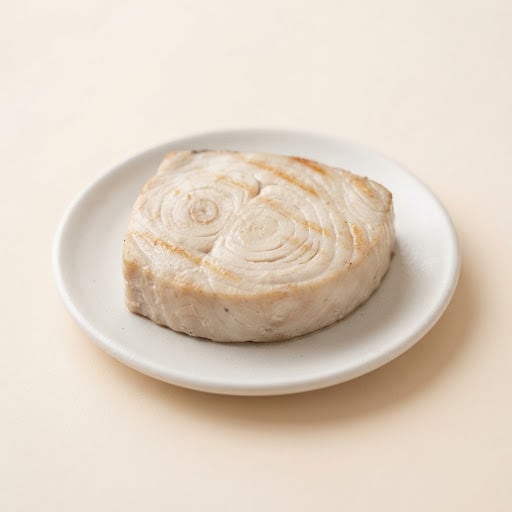
Protein Food Library
When can babies have swordfish?
Can babies have swordfish?
Swordfish is best avoided for babies and young children because it is one of the highest-mercury fish. The FDA and EPA list swordfish among the fish children should not eat. Choose low-mercury fish like salmon, cod, pollock or sardines instead.
How to serve swordfish by age
Shapes and textures change as your baby’s grasp and chewing grow.

6 months
Do not serve swordfish. Offer low-mercury fish like salmon, cod or pollock instead, cooked through, checked for bones and mashed or blended smooth on a spoon.

7–8 months
Keep swordfish off the menu. Offer lumpier mashes or soft flakes of low-mercury fish like salmon, cod or pollock, cooked through and checked for bones.

9–12 months
Keep swordfish off the menu. Soft fish cakes made with salmon, trout or canned light tuna are good choices for pincer practice.

12 months +
Toddlers and young children should still skip swordfish. For a meaty, steak-like fish, try salmon, Atlantic mackerel or mahi-mahi in small, bite-size pieces.
Why it’s good
Swordfish contains protein, selenium, vitamin D and omega-3 fats, but its high mercury level outweighs these benefits for young children. Low-mercury fish provide the same nutrients without the risk.
Safety notes
- Swordfish is high in mercury, which can harm a young child's developing brain and nervous system.
- The FDA and EPA advise children not to eat swordfish, shark, king mackerel, tilefish from the Gulf of Mexico, bigeye tuna, marlin or orange roughy.
- A single accidental serving is unlikely to cause harm. The concern is regular eating over time.
- Breastfeeding parents should also avoid high-mercury fish, since mercury can pass into breast milk.
Fish is a Top 9 allergen, but use a low-mercury fish to introduce it
Swordfish is a fish, and fish is one of the Top 9 allergens. Introduce fish through low-mercury choices like salmon or cod, and keep fish in your baby's diet regularly once it is tolerated.
Swordfish for babies: questions parents ask
Quick answers about swordfish for babies and toddlers.
When can babies have swordfish?
Swordfish is best avoided for babies and young children because it is very high in mercury. Low-mercury fish like salmon, cod and pollock are safer choices.
Can babies have swordfish?
No, babies should not eat swordfish. The FDA and EPA list swordfish as a fish children should avoid because of its high mercury content.
Is swordfish a choking hazard for babies?
Swordfish is not usually a choking hazard because it is a firm but flaky fish without many small bones. Swordfish is still best avoided for babies because of mercury.
Is swordfish a common allergen?
Yes, swordfish is a common allergen because fish is one of the Top 9 food allergens. Introduce fish with low-mercury options instead.
How do I serve swordfish to a 6 month old?
Swordfish should not be served to a 6 month old. Offer cooked salmon, cod or another low-mercury fish instead, mashed or blended smooth and served on a spoon.
My child ate swordfish. Should I worry?
If your child ate swordfish once, there is no need to panic, since mercury harm comes from eating high-mercury fish often. Avoid swordfish going forward and talk to your pediatrician if you have concerns.
Which fish are safest for babies?
The safest fish for babies are low-mercury choices like salmon, cod, pollock, sardines, trout, tilapia, shrimp and canned light tuna. Children can have 1 to 2 small servings of fish a week from these low-mercury options.
When can kids eat swordfish?
There is no set age when swordfish becomes recommended for children, and the FDA advises children to avoid it. Older teens and adults who eat swordfish should do so rarely.
The takeaway
- Swordfish is best avoided for babies and young children because it is one of the highest-mercury fish.
- Do not serve swordfish.
- Choking risk is low. Fish is one of the Top 9 allergens: offer a small amount first, watch for a reaction, then keep it in the diet regularly.
Read next


Sources
This guide follows current advice from these organizations.
- Starting Solid Foods American Academy of Pediatrics (HealthyChildren.org)
- When, What, and How to Introduce Solid Foods Centers for Disease Control and Prevention
- Choking Hazards Centers for Disease Control and Prevention
- Foods and Drinks to Avoid or Limit Centers for Disease Control and Prevention
- Advice about Eating Fish U.S. Food and Drug Administration
- The Effects of Early Nutritional Interventions on the Development of Atopic Disease in Infants and Children Greer FR, Sicherer SH, Burks AW; American Academy of Pediatrics. Pediatrics. 2019;143(4):e20190281
Track every new food in your baby’s passport
Track the first 100 foods and the Top 9 allergens. 7 days free.
More protein foods for babies
Updated November 2026. Reviewed by our dietitians. Based on AAP, CDC and NIAID guidance. Written for healthy, full-term babies; not a substitute for your pediatrician. If your baby was born early, has a medical condition, feeding difficulties or a known allergy, check with them first (medical disclaimer). Always stay with your baby while they eat.