
Grains Food Library
When can babies have soft pretzels?
Can babies have soft pretzels?
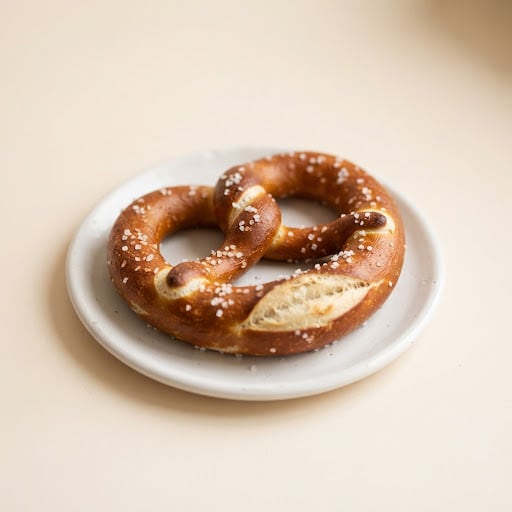
Toddlers can have soft pretzels from about 12 months, with the coarse salt brushed off and the pretzel torn into small pieces. Soft pretzels are chewy and doughy, which can raise choking risk. Most contain wheat and some contain dairy or sesame.
How to serve soft pretzels by age
Shapes and textures change as your baby’s grasp and chewing grow.

6 months
Skip soft pretzels at this age. Offer smooth purees and mashes on a spoon, such as iron-fortified cereal or oatmeal, instead.

7–8 months
Soft pretzels are still best saved until after 12 months. Offer soft toast strips or pancake fingers that squash easily instead.

9–12 months
Soft pretzels are still best saved until after 12 months. Continue offering soft breads.

12 months +
Brush off all coarse salt, then tear soft pretzels into small, bite-sized pieces. Offer a few at a time and supervise closely.
Why it’s good
Soft pretzels provide carbohydrates for energy and some B vitamins if made with fortified flour. They are often high in sodium, especially with salt on top.
Safety notes
- Soft pretzels are chewy and can form a sticky ball. Tear them into small pieces.
- Brush off coarse salt to reduce sodium.
- Avoid sweet coatings like cinnamon sugar for children under 2.
- Check for sesame, dairy or egg in toppings and dough.
Introduce soft pretzel on its own, then keep it in
Soft pretzels contain wheat, a Top 9 allergen, and may contain dairy, egg or sesame. Read labels carefully.
Soft pretzels for babies: questions parents ask
Quick answers about soft pretzels for babies and toddlers.
When can babies have soft pretzels?
Toddlers can have soft pretzels from about 12 months. Remove the salt and tear soft pretzels into small pieces.
Can babies have soft pretzels?
Babies under 12 months should skip soft pretzels. Toddlers can eat soft pretzels with the salt brushed off.
Are soft pretzels a choking hazard for babies?
Yes, soft pretzels can be a choking hazard because they are chewy and doughy. Tearing soft pretzels into small pieces lowers the risk.
Are soft pretzels a common allergen?
Soft pretzels contain wheat, a common allergen, and may contain dairy, egg or sesame. Check labels before serving.
How do I serve soft pretzels to a 6 month old?
Soft pretzels are not recommended for a 6 month old. Offer smooth purees and iron-fortified cereal on a spoon instead, and save soft pretzels for after 12 months; soft toast strips can come at 7–8 months.
Is the salt on pretzels safe for babies?
The coarse salt on soft pretzels is too much for babies. Brush it off before serving soft pretzels to toddlers.
Are soft pretzels healthy for toddlers?
Soft pretzels are an occasional treat for toddlers. They are often salty and low in fiber.
Can toddlers have pretzel buns?
Toddlers can have pretzel buns cut into small pieces. Pretzel buns are similar to soft pretzels and can be salty.
The takeaway
- Toddlers can have soft pretzels from about 12 months, with the coarse salt brushed off and the pretzel torn into small pieces.
- Brush off all coarse salt, then tear soft pretzels into small, bite-sized pieces.
- Choking risk is medium. Wheat is one of the Top 9 allergens: offer a small amount first, watch for a reaction, then keep it in the diet regularly.
Read next
Sources
This guide follows current advice from these organizations.
- Starting Solid Foods American Academy of Pediatrics (HealthyChildren.org)
- When, What, and How to Introduce Solid Foods Centers for Disease Control and Prevention
- Choking Hazards Centers for Disease Control and Prevention
- Choking Prevention American Academy of Pediatrics (HealthyChildren.org)
- Foods and Drinks to Avoid or Limit Centers for Disease Control and Prevention
- The Effects of Early Nutritional Interventions on the Development of Atopic Disease in Infants and Children Greer FR, Sicherer SH, Burks AW; American Academy of Pediatrics. Pediatrics. 2019;143(4):e20190281
Recipes with soft pretzel
Track every new food in your baby’s passport
Track the first 100 foods and the Top 9 allergens. 7 days free.
More grains for babies
Updated November 2026. Reviewed by our dietitians. Based on AAP, CDC and NIAID guidance. Written for healthy, full-term babies; not a substitute for your pediatrician. If your baby was born early, has a medical condition, feeding difficulties or a known allergy, check with them first (medical disclaimer). Always stay with your baby while they eat.