
Grains Food Library
When can babies have soba noodles?
Can babies have soba noodles?
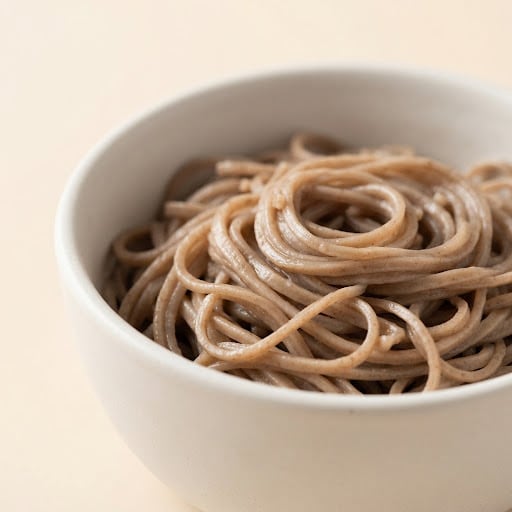
Babies can have soba noodles from about 6 months, cooked soft and served without salty dipping sauce. Most soba is a blend of buckwheat and wheat flour, so it counts as a wheat allergen. Buckwheat itself can also cause allergic reactions, so offer soba in a small amount the first time.
How to serve soba noodles by age
Shapes and textures change as your baby’s grasp and chewing grow.

6 months
Cook soba until very soft and rinse it in cool water, then chop it finely and blend or mash it with smooth vegetable puree, avocado or flaked salmon. Offer it on a spoon.

7–8 months
Offer a few long, soft-cooked noodles for your baby to grab in a fist, or chop soba and stir it into lumpier mashed vegetables, avocado or flaked salmon. Rinse the noodles well so they do not clump.

9–12 months
Cut soft soba into 1 inch pieces for pincer grasp practice and mix with soft vegetables, scrambled egg, tofu or shredded chicken. Add a drizzle of oil or a smear of unsalted tahini for extra fat.

12 months +
Toddlers can eat soba warm in a mild broth or cold in a noodle salad with soft vegetables and protein. Skip or dilute the dipping sauce, which is usually high in sodium.
Why it’s good
Soba noodles give babies carbohydrates for energy plus a bit more protein, fiber and minerals like manganese and magnesium than plain wheat noodles, thanks to the buckwheat. Soba is not a major source of iron, so serve it alongside meat, fish, egg, tofu or beans.
Safety notes
- Cook soba until soft and rinse it so the noodles do not stick together into a gummy clump.
- Most soba contains wheat. Look for 100 percent buckwheat soba only if your baby needs to avoid wheat.
- Buckwheat can cause allergic reactions, sometimes serious ones. Offer a small amount the first time and watch closely.
- Soba dipping sauce (tsuyu) and soy sauce are very salty. Leave them off for babies and use only a little for toddlers.
- Long noodles can cause gagging. Stay close and cut soba shorter if your baby stuffs too much in.
Introduce soba on its own, then keep it in
Most soba noodles contain wheat, one of the Top 9 allergens, and buckwheat, a less common but well-known allergen that can cause strong reactions. Introduce wheat first in a simpler food, then offer soba in a small amount and watch for hives, vomiting, swelling or breathing trouble.
Soba noodles for babies: questions parents ask
Quick answers about soba noodles for babies and toddlers.
When can babies have soba noodles?
Babies can have soba noodles from about 6 months, cooked soft and served without salty dipping sauce. Because soba contains buckwheat and usually wheat, offer a small amount the first time.
Can babies have soba?
Yes, babies can eat soba noodles from 6 months. Soba noodles are soft once cooked and give a little extra fiber and minerals compared with plain wheat noodles.
Are soba noodles a choking hazard for babies?
Soba noodles are a low choking risk for babies when cooked soft and rinsed. Babies may gag on long strands, which is normal, but always stay close and cut the noodles shorter if needed.
Are soba noodles a common allergen?
Yes, soba noodles are a common allergen because most brands contain wheat. Soba also contains buckwheat, which can cause allergic reactions, so introduce soba carefully and watch for symptoms.
How do I serve soba to a 6 month old?
To serve soba to a 6 month old, cook the noodles until very soft, rinse them in cool water, then chop them finely and blend or mash them into a soft food like avocado or sweet potato and offer it on a spoon. Long soft noodles to grab can follow at 7–8 months.
Is buckwheat a common allergen for babies?
Buckwheat is not one of the Top 9 allergens in the United States, but it is a recognized allergen that is common in parts of Asia and can cause severe reactions. Offer buckwheat soba in a small amount first and watch your baby closely.
Are soba noodles gluten free?
Most soba noodles are not gluten free because they contain wheat flour. Only soba labeled 100 percent buckwheat and certified gluten free is suitable for babies who must avoid gluten.
Are soba noodles healthier than regular pasta for babies?
Soba noodles have slightly more fiber, protein and minerals than regular white pasta because of the buckwheat. Both soba and pasta can be part of a healthy diet for babies, so variety matters more than picking one.
The takeaway
- Babies can have soba noodles from about 6 months, cooked soft and served without salty dipping sauce.
- Cook soba until very soft and rinse it in cool water, then chop it finely and blend or mash it with smooth vegetable puree, avocado or flaked salmon.
- Choking risk is low. Wheat is one of the Top 9 allergens: offer a small amount first, watch for a reaction, then keep it in the diet regularly.
Read next



Sources
This guide follows current advice from these organizations.
- Starting Solid Foods American Academy of Pediatrics (HealthyChildren.org)
- When, What, and How to Introduce Solid Foods Centers for Disease Control and Prevention
- Choking Hazards Centers for Disease Control and Prevention
- Foods and Drinks to Avoid or Limit Centers for Disease Control and Prevention
- The Effects of Early Nutritional Interventions on the Development of Atopic Disease in Infants and Children Greer FR, Sicherer SH, Burks AW; American Academy of Pediatrics. Pediatrics. 2019;143(4):e20190281
Track every new food in your baby’s passport
Track the first 100 foods and the Top 9 allergens. 7 days free.
More grains for babies
Updated November 2026. Reviewed by our dietitians. Based on AAP, CDC and NIAID guidance. Written for healthy, full-term babies; not a substitute for your pediatrician. If your baby was born early, has a medical condition, feeding difficulties or a known allergy, check with them first (medical disclaimer). Always stay with your baby while they eat.