
Protein Food Library
When can babies have ostrich?
Can babies have ostrich?
Babies can have ostrich meat from 6 months when it is cooked through. Ostrich is a lean red meat that is rich in iron: start with ground ostrich blended into a smooth puree, then offer minced meat and soft patties from 7–8 months. Because it is so lean, cook it gently to keep it moist.
How to serve ostrich by age
Shapes and textures change as your baby’s grasp and chewing grow.

6 months
Cook ground ostrich gently to 160F until no pink remains, then blend it with a little cooking water, breast milk or formula and a smooth vegetable puree. Offer it on a spoon; the vegetables keep this lean meat moist.

7–8 months
Mince cooked ground ostrich finely into mashed vegetables, or make soft patties or meatballs about the size of an adult finger, mixed with egg or grated vegetables so they fall apart easily when pressed between your fingers.

9–12 months
Offer crumbled ground ostrich or small, tender shreds of cooked steak about the size of a pea, mixed into pasta, rice or sauces.

12 months +
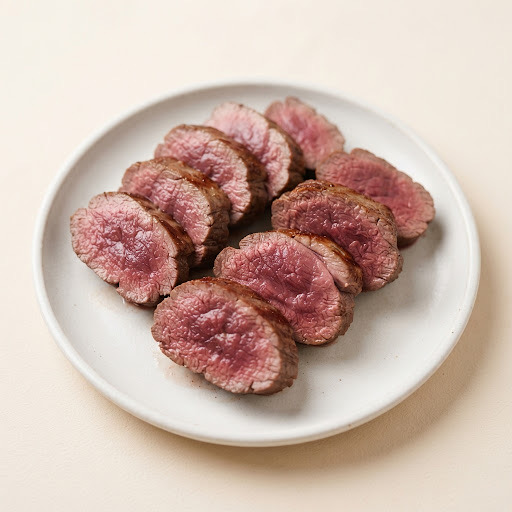
Toddlers can have ostrich burgers cut into strips, meatballs, or thin slices of tender steak. Avoid cubes and chunks of meat, which carry a higher choking risk.
Why it’s good
Ostrich is a lean red meat that gives babies plenty of easily absorbed iron, zinc, protein and vitamin B12. These nutrients support brain development and help prevent iron deficiency, which becomes more common after 6 months. It is lower in fat than beef, so add a little oil or serve it with fat-rich foods.
Safety notes
- Cook ground ostrich to at least 160°F (71°C) and ostrich steaks to at least 145°F (63°C) with a 3-minute rest. Avoid serving it pink to babies.
- Ostrich is very lean and can become dry and tough when overcooked. Cook it gently, add moisture with sauces, and serve ground or in thin strips.
- Cubes and chunks of meat are a common choking hazard. Shred, grind or slice meat thin for babies and young toddlers.
- Ostrich sausages and jerky are often high in salt. Choose plain ground meat or steaks.
A low-allergy food, still worth watching
Ostrich is not a common allergen, and allergies to ostrich are rare. Introduce a small amount and watch for hives, swelling or vomiting.
Ostrich for babies: questions parents ask
Quick answers about ostrich for babies and toddlers.
When can babies have ostrich?
Babies can have ostrich from about 6 months, once they start solids. Ostrich should be cooked through and blended into a smooth puree at first, with minced meat and soft patties from about 7–8 months.
Can babies have ostrich meat?
Yes, babies can eat ostrich meat. Ostrich is a lean, iron-rich red meat that makes a great alternative to beef.
Is ostrich a choking hazard for babies?
Ostrich can be a choking hazard because meat is a common choking risk, especially in cubes or chunks. Ground ostrich patties, shreds and thin strips are safer forms.
Is ostrich a common allergen?
Ostrich is not a common allergen. As with any new protein, offer ostrich in a small amount and watch for any reaction.
How do I serve ostrich to a 6 month old?
To serve ostrich to a 6 month old, cook ground ostrich until no pink remains, then blend it with a little water, breast milk or formula and a smooth vegetable puree, and offer it on a spoon. Soft finger-length patties can follow at 7–8 months.
Is ostrich red meat or poultry?
Ostrich is a bird, but its meat is red and tastes much like lean beef. For babies, ostrich is cooked and served much like beef.
Is ostrich healthy for babies?
Ostrich is very healthy for babies, offering easily absorbed iron, zinc, protein and vitamin B12 with less fat than beef. Add a little olive oil or avocado to the meal for extra energy.
How do I keep ostrich meat from drying out?
Ostrich is very lean, so cook it quickly over medium heat or gently in a sauce, and avoid overcooking. Adding grated vegetables or an egg to ground ostrich keeps patties moist.
The takeaway
- Babies can have ostrich meat from 6 months when it is cooked through.
- Cook ground ostrich gently to 160F until no pink remains, then blend it with a little cooking water, breast milk or formula and a smooth vegetable puree.
- Choking risk is medium. Not a Top 9 allergen, but offer a small amount first and watch for any reaction.
Read next


Sources
This guide follows current advice from these organizations.
- Starting Solid Foods American Academy of Pediatrics (HealthyChildren.org)
- When, What, and How to Introduce Solid Foods Centers for Disease Control and Prevention
- Choking Hazards Centers for Disease Control and Prevention
- Choking Prevention American Academy of Pediatrics (HealthyChildren.org)
- Iron Centers for Disease Control and Prevention
Track every new food in your baby’s passport
Track the first 100 foods and the Top 9 allergens. 7 days free.
More protein foods for babies
Updated November 2026. Reviewed by our dietitians. Based on AAP, CDC and NIAID guidance. Written for healthy, full-term babies; not a substitute for your pediatrician. If your baby was born early, has a medical condition, feeding difficulties or a known allergy, check with them first (medical disclaimer). Always stay with your baby while they eat.