
Protein Food Library
When can babies have mung beans?
Can babies have mung beans?
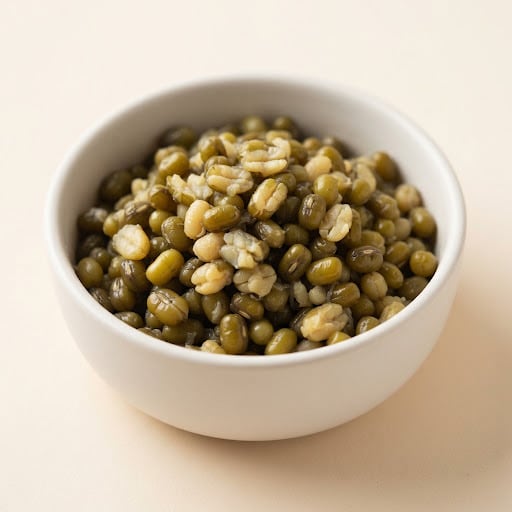
Babies can have mung beans from about 6 months, cooked until very soft and mashed or lightly smashed. Mung beans are rich in plant protein, iron and folate, and split mung dal cooks into a creamy porridge that is ideal for first foods. Raw mung bean sprouts should wait, since raw sprouts carry a food poisoning risk.
How to serve mung beans by age
Shapes and textures change as your baby’s grasp and chewing grow.

6 months
Cook split or whole mung beans until they fall apart, then blend or mash them into a smooth, creamy dal. Cool it and offer it on a spoon or a pre-loaded spoon.

7–8 months
Serve thicker, lumpier mung dal or mix mashed mung beans with rice into a soft khichdi. You can also spread mashed mung beans on soft toast strips or offer soft mung bean pancakes that squash easily.

9–12 months
Offer whole cooked mung beans, smashed lightly so each bean is flattened, for pincer-grasp practice. Soft mung bean pancakes or patties cut into strips also work well.

12 months +
Toddlers can eat whole cooked mung beans in soups, dals, stews and rice dishes. Lightly cooked mung bean sprouts can be added to stir-fries once cooked until soft.
Why it’s good
Mung beans are rich in plant protein, iron, folate, fiber, magnesium and potassium. Serving them with vitamin C foods like tomato, lemon or bell pepper helps babies absorb more of the iron. Mung beans are often easier on tummies than larger beans.
Safety notes
- Cook mung beans until completely soft. Undercooked dried beans are hard to chew and harder to digest.
- Do not serve raw mung bean sprouts to babies and young children. Raw sprouts can carry Salmonella and E. coli; cook sprouts until steaming hot and soft.
- Choose no-salt-added canned mung beans, or rinse regular canned beans well to remove some sodium.
- Whole dry or crunchy roasted mung beans are a choking hazard. Only serve soft, cooked beans.
- Start with small portions, since a sudden jump in fiber can cause gas or loose stools.
A low-allergy food, still worth watching
Mung beans are not a common allergen, though reactions have been reported, sometimes in people with soy or peanut allergy or birch pollen allergy. Offer a small amount first and watch for hives, vomiting or swelling.
Mung beans for babies: questions parents ask
Quick answers about mung beans for babies and toddlers.
When can babies have mung beans?
Babies can have mung beans from about 6 months, once they start solids. Mung beans should be cooked until very soft and mashed, smashed or served as a creamy dal.
Can babies have mung beans?
Yes, babies can eat mung beans, and they are a great first food because they are rich in iron and plant protein. Cook mung beans until they fall apart.
Are mung beans a choking hazard for babies?
Mung beans are a low choking risk for babies when they are cooked very soft and mashed or flattened. Dry, roasted or undercooked mung beans are hard and should be avoided.
Are mung beans a common allergen?
No, mung beans are not a common allergen. Allergic reactions to mung beans are uncommon, but introduce them in a small amount like any new food.
How do I serve mung beans to a 6 month old?
To serve mung beans to a 6 month old, cook split mung beans until they turn into a thick, creamy dal, blend or mash it smooth, cool it and offer it on a pre-loaded spoon. Mashed mung beans on soft toast strips can follow at 7–8 months.
When can babies have mung bean sprouts?
Babies can have mung bean sprouts once they are cooked until soft and steaming hot, from about 12 months when cut into small pieces. Raw mung bean sprouts are not recommended for young children because of the risk of food poisoning.
Do mung beans need to be soaked before cooking?
Mung beans do not need soaking, but soaking whole mung beans for a few hours shortens cooking time and makes them softer. Split yellow mung dal cooks quickly without soaking.
Can babies have canned mung beans?
Yes, babies can have canned mung beans. Choose no-salt-added cans or rinse the beans well, then mash or smash them before serving.
Are the lectins in mung beans safe for babies?
Lectins in mung beans are broken down by soaking and thorough cooking, so well-cooked mung beans are safe for babies. Never serve raw or undercooked dried beans.
Do mung beans cause gas in babies?
Mung beans can cause some gas, as most beans do, but they are often gentler than larger beans. Start with small amounts and cook mung beans until very soft.
The takeaway
- Babies can have mung beans from about 6 months, cooked until very soft and mashed or lightly smashed.
- Cook split or whole mung beans until they fall apart, then blend or mash them into a smooth, creamy dal.
- Choking risk is low. Not a Top 9 allergen, but offer a small amount first and watch for any reaction.
Read next


Sources
This guide follows current advice from these organizations.
- Starting Solid Foods American Academy of Pediatrics (HealthyChildren.org)
- When, What, and How to Introduce Solid Foods Centers for Disease Control and Prevention
- Choking Hazards Centers for Disease Control and Prevention
- Iron Centers for Disease Control and Prevention
Track every new food in your baby’s passport
Track the first 100 foods and the Top 9 allergens. 7 days free.
More protein foods for babies
Updated November 2026. Reviewed by our dietitians. Based on AAP, CDC and NIAID guidance. Written for healthy, full-term babies; not a substitute for your pediatrician. If your baby was born early, has a medical condition, feeding difficulties or a known allergy, check with them first (medical disclaimer). Always stay with your baby while they eat.