
Protein Food Library
When can babies have natto?
Can babies have natto?
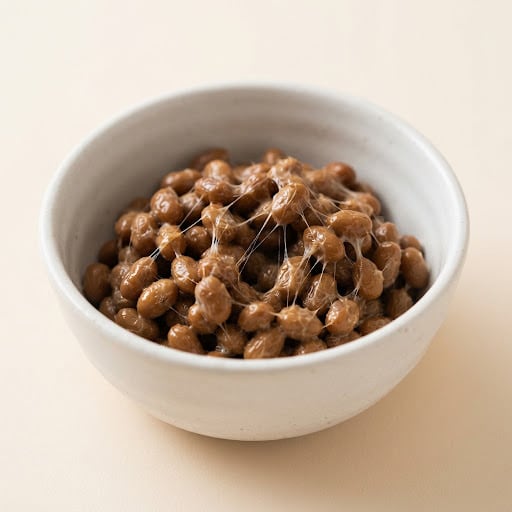
Babies can have natto from about 6 months when the fermented soybeans are chopped or mashed and mixed into other foods. Natto is very sticky, which can make it harder to swallow, so keep portions small. Natto is made from soybeans, a common allergen.
How to serve natto by age
Shapes and textures change as your baby’s grasp and chewing grow.

6 months
Mash or blend natto finely and stir a small spoonful into smooth rice porridge, mashed sweet potato or oatmeal, which tames the strings and stickiness. Offer it on a spoon, and leave out the sauce and mustard packets.

7–8 months
Chop natto, or use hikiwari natto made from cracked beans, and stir it into thicker rice porridge or soft rice your baby can scoop. Keep portions small and leave out the sauce and mustard.

9–12 months
Offer chopped natto mixed into soft rice that your baby can scoop or pick up in small clumps. Hikiwari natto, which is made from cracked beans, is a handy option.

12 months +
Toddlers can eat natto over rice, in rolled omelets or with noodles. Add a very small splash of low-sodium soy sauce if you like, but skip the spicy mustard.
Why it’s good
Natto gives babies plant protein, iron, fiber, calcium and vitamin K2. Fermentation makes some nutrients easier to absorb and gives natto its strong flavor. It is one of the richest plant foods for vitamin K.
Safety notes
- Natto is sticky and stringy. Chop or mash it and mix it into moist foods so it does not glue together in the mouth.
- The sauce packets that come with natto are salty and the mustard is spicy. Leave both out for babies.
- Whole soybeans are small and round. Mash or chop them for babies under 12 months.
- Natto is very high in vitamin K. If your child takes a blood thinner such as warfarin, talk to your doctor before serving it.
- Keep natto refrigerated or frozen and serve it before the use-by date.
Introduce natto on its own, then keep it in
Natto is made from soybeans, and soy is one of the Top 9 allergens. Introduce a small amount, watch for hives, vomiting or swelling, and keep soy in the diet regularly once tolerated.
Natto for babies: questions parents ask
Quick answers about natto for babies and toddlers.
When can babies have natto?
Babies can have natto from about 6 months when it is chopped or mashed and mixed into rice or vegetables. Natto is a nourishing early food that also helps introduce soy.
Can babies have natto?
Yes, babies can eat natto in small amounts mixed into other foods. Natto should be served without the salty sauce and spicy mustard packets.
Is natto a choking hazard for babies?
Natto can be a choking hazard for babies because it is sticky and the beans are small and round. Chop natto and mix it into moist foods, and always watch your baby while eating.
Is natto a common allergen?
Yes, natto is a common allergen because it is made from soybeans. Offer natto in a small amount at first and watch for signs of an allergic reaction.
How do I serve natto to a 6 month old?
To serve natto to a 6 month old, mash or blend a teaspoon or so finely and stir it into smooth rice porridge or mashed sweet potato. Offer it on a spoon or pre-loaded spoon.
Can babies have natto every day?
Babies can eat natto often as part of a varied diet, as long as you skip the salty seasoning. Rotate natto with other proteins like eggs, fish, meat and beans.
Can babies have the natto sauce packet?
The natto sauce packet is high in sodium, so leave it out for babies under 12 months. Toddlers can have a drop or two mixed into a larger serving of rice.
Will my baby like the taste of natto?
Many babies enjoy natto, especially in families who eat it often, though the strong smell and texture surprise some. Keep offering natto mixed with familiar foods, since babies may need several tries to accept a new taste.
The takeaway
- Babies can have natto from about 6 months when the fermented soybeans are chopped or mashed and mixed into other foods.
- Mash or blend natto finely and stir a small spoonful into smooth rice porridge, mashed sweet potato or oatmeal, which tames the strings and stickiness.
- Choking risk is medium. Soy is one of the Top 9 allergens: offer a small amount first, watch for a reaction, then keep it in the diet regularly.
Read next
Sources
This guide follows current advice from these organizations.
- Starting Solid Foods American Academy of Pediatrics (HealthyChildren.org)
- When, What, and How to Introduce Solid Foods Centers for Disease Control and Prevention
- Choking Hazards Centers for Disease Control and Prevention
- Choking Prevention American Academy of Pediatrics (HealthyChildren.org)
- Iron Centers for Disease Control and Prevention
- The Effects of Early Nutritional Interventions on the Development of Atopic Disease in Infants and Children Greer FR, Sicherer SH, Burks AW; American Academy of Pediatrics. Pediatrics. 2019;143(4):e20190281
Track every new food in your baby’s passport
Track the first 100 foods and the Top 9 allergens. 7 days free.
More protein foods for babies
Updated November 2026. Reviewed by our dietitians. Based on AAP, CDC and NIAID guidance. Written for healthy, full-term babies; not a substitute for your pediatrician. If your baby was born early, has a medical condition, feeding difficulties or a known allergy, check with them first (medical disclaimer). Always stay with your baby while they eat.