
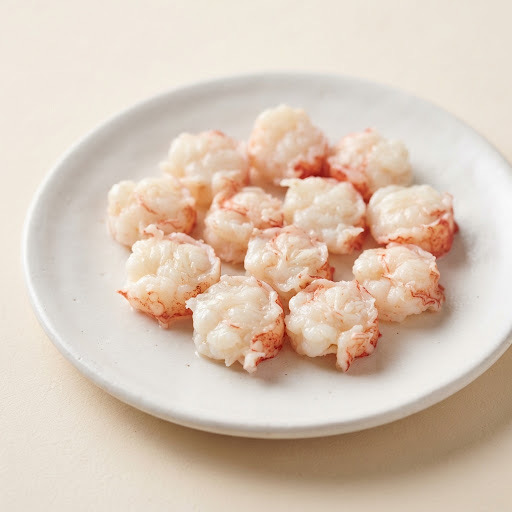
Protein Food Library
When can babies have lobster?
Can babies have lobster?
Babies can have lobster from 6 months, fully cooked and finely chopped or minced, with all shell removed. Lobster is a shellfish, one of the Top 9 allergens, so introduce it carefully and keep it in the diet if tolerated. Lobster meat is firm and rubbery, which makes it a choking risk in chunks.
How to serve lobster by age
Shapes and textures change as your baby’s grasp and chewing grow.

6 months
Steam or boil lobster until the meat is opaque and firm, reaching 145 F, and remove all shell. Because lobster is rubbery, blend the meat thoroughly with mashed potato, avocado or a little cooking liquid until completely smooth, and offer it on a spoon.

7–8 months
Mince fully cooked, shell-free lobster very finely and stir it into lumpier mashed potato, avocado, soft risotto or soft scrambled egg. Never offer chunks or rings of tail meat, since they stay rubbery.

9–12 months
Offer finely chopped lobster mixed into soft foods like pasta, rice or omelets, or shape minced lobster into soft cakes. Avoid larger rubbery pieces that are hard to chew.

12 months +
Toddlers can have lobster chopped into small pieces in pasta, rolls and soups. Keep pieces small and thin until your child is an experienced chewer, and skip heavily salted or butter-drenched lobster.
Why it’s good
Lobster gives babies protein, zinc, copper, selenium, vitamin B12 and some omega-3 fats, which support growth, immunity and brain development. It is low in mercury. Lobster is naturally fairly high in sodium, so keep added salt out.
Safety notes
- Cook lobster fully until the meat is opaque and firm. Never serve raw or undercooked lobster to babies, as shellfish carry a higher risk of food poisoning.
- Remove every bit of shell. Shell fragments are sharp and hard and can injure or choke a baby.
- Lobster meat is firm and rubbery. Mince it finely or mix it into moist foods, and never serve chunks or rings of tail meat to babies.
- Do not serve the green tomalley or the roe to babies. Tomalley can collect toxins and contaminants.
- Buy lobster live or properly frozen, cook live lobster the same day, and refrigerate cooked lobster within 2 hours.
Introduce lobster on its own, then keep it in
Lobster is a shellfish, and shellfish is one of the Top 9 food allergens. Shellfish allergy can be severe and is often lifelong, so offer a small amount early in the day and watch for hives, vomiting, swelling, coughing or wheezing. Talk to your pediatrician first if your baby has severe eczema or other food allergies, and if tolerated keep shellfish in the diet regularly.
Lobster for babies: questions parents ask
Quick answers about lobster for babies and toddlers.
When can babies have lobster?
Babies can have lobster from 6 months, once it is fully cooked, removed from the shell and finely minced. Introduce lobster carefully, because shellfish is a common allergen.
Can babies have lobster?
Yes, babies can eat lobster when it is fully cooked and prepared in a safe texture. Lobster is a good source of zinc, selenium and vitamin B12.
Is lobster a choking hazard for babies?
Yes, lobster can be a choking hazard because the meat is firm and rubbery and shell pieces can hide in it. Mince lobster finely, remove all shell and always stay with your baby during meals.
Is lobster a common allergen?
Yes, lobster is a common allergen because it is a shellfish, one of the Top 9 food allergens. Children allergic to shrimp or crab often react to lobster too.
How do I serve lobster to a 6 month old?
To serve lobster to a 6 month old, cook it fully, remove all shell and blend the meat smoothly into mashed potato or avocado, then offer it on a spoon. Finely minced lobster stirred into risotto or soft egg can follow at 7–8 months.
Does lobster contain mercury?
Lobster is low in mercury and is listed among the best choices for children by the FDA. Babies can have lobster as part of their seafood servings, along with other low-mercury fish and shellfish.
Is lobster high in sodium?
Lobster is naturally higher in sodium than most fish, and it is often cooked in salted water and served with salted butter. For babies, cook lobster in unsalted water and skip added salt.
Can babies have lobster tomalley?
Babies should not eat lobster tomalley, the soft green part inside the body. Tomalley can build up toxins and contaminants, so serve only the white meat.
Is imitation lobster okay for babies?
Imitation lobster is usually made from fish and starches and can be high in sodium and additives. It may also contain fish, egg, wheat or real shellfish, so it is best saved for later and checked carefully for allergens.
The takeaway
- Babies can have lobster from 6 months, fully cooked and finely chopped or minced, with all shell removed.
- Steam or boil lobster until the meat is opaque and firm, reaching 145 F, and remove all shell.
- Choking risk is medium. Shellfish is one of the Top 9 allergens: offer a small amount first, watch for a reaction, then keep it in the diet regularly.
Read next


Sources
This guide follows current advice from these organizations.
- Starting Solid Foods American Academy of Pediatrics (HealthyChildren.org)
- When, What, and How to Introduce Solid Foods Centers for Disease Control and Prevention
- Choking Hazards Centers for Disease Control and Prevention
- Choking Prevention American Academy of Pediatrics (HealthyChildren.org)
- Advice about Eating Fish U.S. Food and Drug Administration
- The Effects of Early Nutritional Interventions on the Development of Atopic Disease in Infants and Children Greer FR, Sicherer SH, Burks AW; American Academy of Pediatrics. Pediatrics. 2019;143(4):e20190281
Track every new food in your baby’s passport
Track the first 100 foods and the Top 9 allergens. 7 days free.
More protein foods for babies
Updated November 2026. Reviewed by our dietitians. Based on AAP, CDC and NIAID guidance. Written for healthy, full-term babies; not a substitute for your pediatrician. If your baby was born early, has a medical condition, feeding difficulties or a known allergy, check with them first (medical disclaimer). Always stay with your baby while they eat.