
Protein Food Library
When can babies have lamb shank?
Can babies have lamb shank?
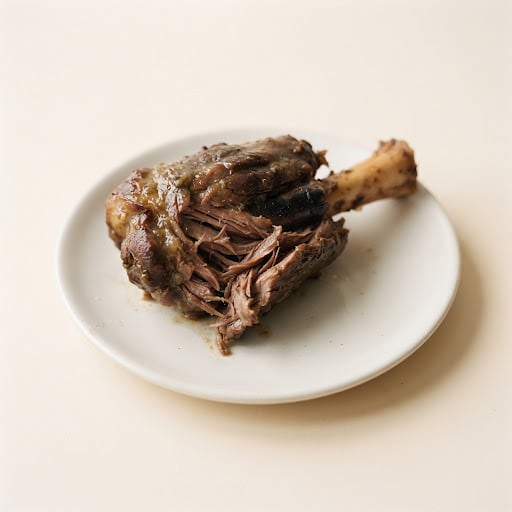
Babies can have lamb shank from 6 months, slow-cooked until the meat falls off the bone and blended smooth at first. Lamb shank is a rich source of iron and zinc for babies. Meat can be a choking risk, so from about 7–8 months serve it shredded, mashed or in large very tender pieces, never in firm cubes.
How to serve lamb shank by age
Shapes and textures change as your baby’s grasp and chewing grow.

6 months
Braise or slow-cook lamb shank for several hours until the meat falls apart. Remove the bone, gristle and fat, then blend the meat with some cooking liquid (made without salt) and vegetables into a smooth puree to offer on a spoon.

7–8 months
Shred very tender lamb shank finely and mash it with cooking liquid, potato or vegetables so it has soft lumps. You can also offer a large, very tender piece your baby can squeeze and suck on, as long as it falls apart easily between your fingers.

9–12 months
Offer small, soft shreds of slow-cooked lamb shank for pincer-grasp practice, mixed with mashed potato, beans or couscous. Moisten with cooking juices to make it easier to swallow.

12 months +
Toddlers can have slow-cooked lamb shank shredded over rice, polenta or pasta, or in stews. Keep pieces small and tender, and avoid chunks of firm or gristly meat.
Why it’s good
Lamb shank provides heme iron, zinc, protein and vitamin B12, which help with brain development, growth and immunity. Slow cooking breaks down the connective tissue, making the meat soft and easy for babies to eat. The braising liquid also adds flavor to vegetables and grains.
Safety notes
- Slow-cook lamb shank until it is fork-tender and falls off the bone, and cook to at least 145 F. Tough, undercooked shank is hard to chew.
- Remove the bone and any small bone fragments, gristle and tendons before serving. Shank bones can have sharp edges and marrow pieces that break off.
- Make the braise without salt or salty stock, or cook your baby's portion separately, then season adult portions at the table.
- Skim off excess fat from the braising liquid and trim large pieces of fat from the meat.
- Cool leftovers quickly, refrigerate within 2 hours and use within 3 to 4 days.
A low-allergy food, still worth watching
Lamb is not a common allergen, though rare reactions to red meat have been reported. Offer a small amount at first and watch for hives, swelling or vomiting.
Lamb shank for babies: questions parents ask
Quick answers about lamb shank for babies and toddlers.
When can babies have lamb shank?
Babies can have lamb shank from 6 months, when they start solids. Slow-cook the lamb shank until it is very tender, then blend it smooth at first and shred or mash it from about 7–8 months.
Can babies have lamb shank?
Yes, babies can eat lamb shank when it is slow-cooked until soft. Lamb shank is an excellent first meat because it is rich in iron and becomes very tender with long cooking.
Is lamb shank a choking hazard for babies?
Yes, lamb shank can be a choking hazard if served in firm cubes or chunks, or with bone fragments. Shred the meat, remove all bones and gristle, and stay close while your baby eats.
Is lamb shank a common allergen?
No, lamb shank is not a common allergen and lamb is not one of the Top 9 food allergens. Allergies to lamb are rare but possible, so start with a small amount.
How do I serve lamb shank to a 6 month old?
To serve lamb shank to a 6 month old, braise it until the meat falls off the bone, remove the bone and gristle, and blend the meat smooth with some unsalted cooking liquid or vegetables. Offer it on a spoon. Fine shreds and large very tender pieces can follow at 7–8 months.
Why is lamb shank best slow-cooked for babies?
Lamb shank is full of connective tissue that stays tough unless cooked low and slow for a few hours. Slow cooking turns lamb shank soft enough for babies to mash with their gums.
Can babies have lamb shank marrow?
Babies can have small amounts of well-cooked marrow from a lamb shank mixed into their food. Make sure no bone pieces come out with it, and keep portions small because marrow is very rich and fatty.
Can I make lamb shank in a slow cooker for my baby?
Yes, a slow cooker is a great way to make lamb shank for a baby. Cook it on low for about 7 to 8 hours with vegetables and water or low-sodium broth until the meat falls apart.
Can I freeze lamb shank for baby food?
Yes, you can freeze shredded lamb shank for baby food. Portion the meat with some cooking liquid into small containers or ice cube trays and use within about 3 months.
The takeaway
- Babies can have lamb shank from 6 months, slow-cooked until the meat falls off the bone and blended smooth at first.
- Braise or slow-cook lamb shank for several hours until the meat falls apart.
- Choking risk is medium. Not a Top 9 allergen, but offer a small amount first and watch for any reaction.
Read next


Sources
This guide follows current advice from these organizations.
- Starting Solid Foods American Academy of Pediatrics (HealthyChildren.org)
- When, What, and How to Introduce Solid Foods Centers for Disease Control and Prevention
- Choking Hazards Centers for Disease Control and Prevention
- Choking Prevention American Academy of Pediatrics (HealthyChildren.org)
- Iron Centers for Disease Control and Prevention
Track every new food in your baby’s passport
Track the first 100 foods and the Top 9 allergens. 7 days free.
More protein foods for babies
Updated November 2026. Reviewed by our dietitians. Based on AAP, CDC and NIAID guidance. Written for healthy, full-term babies; not a substitute for your pediatrician. If your baby was born early, has a medical condition, feeding difficulties or a known allergy, check with them first (medical disclaimer). Always stay with your baby while they eat.