
Grains Food Library
When can babies have fonio?
Can babies have fonio?
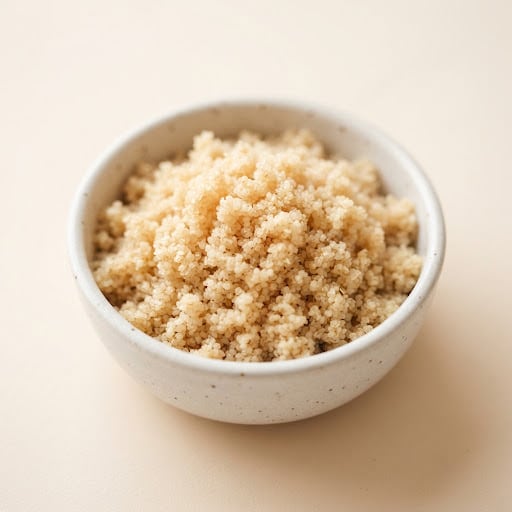
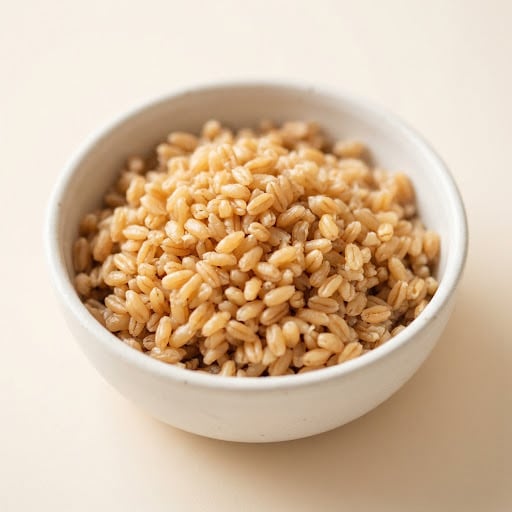
Babies can have fonio from about 6 months, as soon as they are ready for solids. Fonio is a tiny, quick-cooking West African grain that turns soft and fluffy, so it works well as a porridge or mixed into other foods. Fonio is naturally gluten-free and offers iron, a nutrient babies need more of from 6 months.
How to serve fonio by age
Shapes and textures change as your baby’s grasp and chewing grow.

6 months
Cook fonio in water, breast milk or formula until very soft, then thin it into a smooth porridge and offer it on a spoon or a preloaded spoon. You can also stir cooked fonio into smooth sweet potato puree or yogurt.

7–8 months
Make fonio porridge thicker, or stir cooked fonio into mashed sweet potato, beans or avocado so it clumps and baby can scoop it with hands. Soft patties made with fonio and mashed beans that fall apart easily are fine to hold.

9–12 months
Offer cooked fonio mixed with something sticky, like mashed beans, avocado or egg, and press it into small patties about the size of a thumb for self-feeding. Babies can also practice scooping fonio porridge with a preloaded spoon.

12 months +
Toddlers can eat fonio like couscous or rice, as a side with stews, in grain salads or as a warm breakfast with fruit. Offer a spoon and fork and let them practice.
Why it’s good
Fonio gives babies carbohydrates for energy, plus iron, magnesium, zinc and some B vitamins. Fonio is gluten-free and easy to digest when cooked soft. Pair fonio with vitamin C foods like tomato, strawberries or bell pepper to help the body absorb its plant iron.
Safety notes
- Rinse fonio well before cooking to remove grit and dust, which is common in this tiny grain.
- Cook fonio until fully soft and fluffy. Undercooked grains are dry and gritty and harder for babies to move around the mouth.
- Dry, loose grains can scatter in the mouth and cause gagging, so mix fonio with a moist food or serve it as a porridge for young babies.
- Store cooked fonio in the fridge and use it within 3 to 4 days. Cool leftover grains quickly to prevent bacteria growth.
- Skip boxed fonio mixes with seasoning packets, which can be high in salt for babies.
A low-allergy food, still worth watching
Fonio is not a common allergen and is naturally gluten-free, which makes fonio a useful grain for families avoiding wheat. Allergies to millet-type grains are rare but possible, so start with a small amount and watch for hives, vomiting or swelling.
Fonio for babies: questions parents ask
Quick answers about fonio for babies and toddlers.
When can babies have fonio?
Babies can have fonio from about 6 months, when they show signs of being ready for solid food. Cooked until soft, fonio makes a gentle first grain as a smooth porridge on a spoon, and it can be mixed into soft patties from 7–8 months.
Can babies have fonio?
Yes, babies can eat fonio once it is rinsed and cooked until soft. Fonio is a nutritious ancient grain that is gluten-free and offers iron, zinc and magnesium.
Is fonio a choking hazard for babies?
Fonio is a low choking risk for babies when cooked soft and served as a porridge or mixed into moist food. Loose dry grains can cause gagging, which is a normal reflex, but always sit with your baby while they eat.
Is fonio a common allergen?
No, fonio is not a common allergen and is not one of the Top 9 allergens. Fonio is gluten-free, but rare reactions to related grains like millet have been reported, so watch for signs of a reaction the first few times.
How do I serve fonio to a 6 month old?
To serve fonio to a 6 month old, cook it in water until soft and stir in breast milk or formula to make a smooth porridge. Preload a baby spoon or let your baby scoop with their hands, and mix in mashed fruit for flavor.
Is fonio gluten-free?
Yes, fonio is naturally gluten-free. If your child has celiac disease, choose fonio labeled gluten-free to avoid cross-contact with wheat during processing.
How do you cook fonio for babies?
To cook fonio for babies, rinse it well, then simmer about 1 part fonio to 2 parts water for a few minutes until the water is absorbed, cover and let it steam. For babies, add a little extra liquid so fonio turns soft and porridge-like.
Is fonio good for babies?
Fonio is a good grain for babies because it gives energy, iron, zinc and magnesium and is easy to digest when cooked soft. Rotating fonio with oats, rice and other grains adds variety to a baby's diet.
Does fonio help with constipation in babies?
Fonio contains some fiber, which can support regular stools as part of a varied diet. Serve fonio with fruits and vegetables and offer small sips of water with meals to help keep stools soft.
The takeaway
- Babies can have fonio from about 6 months, as soon as they are ready for solids.
- Cook fonio in water, breast milk or formula until very soft, then thin it into a smooth porridge and offer it on a spoon or a preloaded spoon.
- Choking risk is low. Not a Top 9 allergen, but offer a small amount first and watch for any reaction.
Read next


Sources
This guide follows current advice from these organizations.
- Starting Solid Foods American Academy of Pediatrics (HealthyChildren.org)
- When, What, and How to Introduce Solid Foods Centers for Disease Control and Prevention
- Choking Hazards Centers for Disease Control and Prevention
- Iron Centers for Disease Control and Prevention
Track every new food in your baby’s passport
Track the first 100 foods and the Top 9 allergens. 7 days free.
More grains for babies
Updated November 2026. Reviewed by our dietitians. Based on AAP, CDC and NIAID guidance. Written for healthy, full-term babies; not a substitute for your pediatrician. If your baby was born early, has a medical condition, feeding difficulties or a known allergy, check with them first (medical disclaimer). Always stay with your baby while they eat.