
Grains Food Library
When can babies have farro?
Can babies have farro?
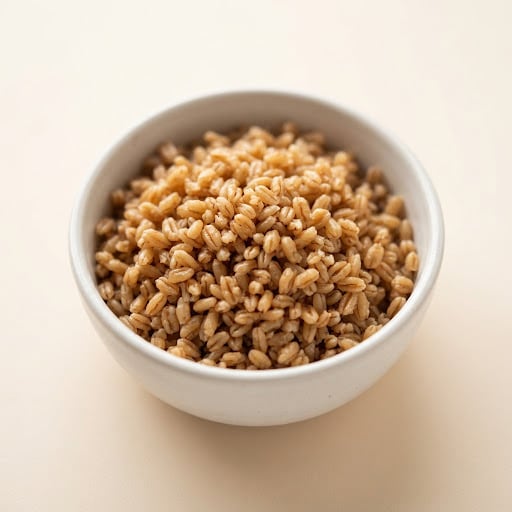
Babies can have farro from about 6 months, cooked until very soft and mashed or mixed into other foods. Farro is an ancient type of wheat, also called emmer, so it contains gluten and counts as a wheat allergen. Introduce it carefully if your baby has not had wheat yet.
How to serve farro by age
Shapes and textures change as your baby’s grasp and chewing grow.

6 months
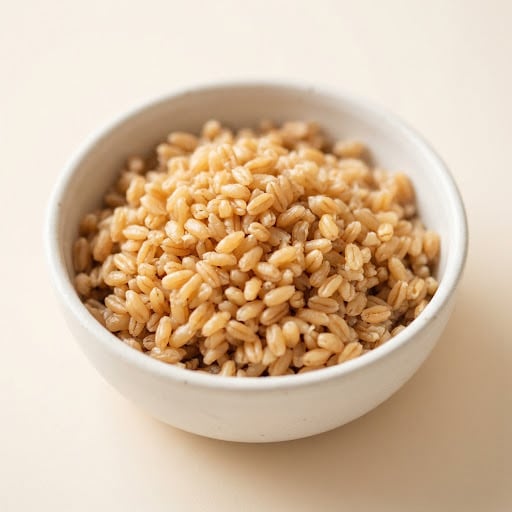
Cook farro until it is very soft and bursting, longer than the package suggests, then blend it with a little cooking water, breast milk or formula until smooth. Stir it into yogurt, smooth vegetable puree or a blended stew and offer it on a spoon.

7–8 months
Mash or pulse very soft cooked farro so it stays a little lumpy, and stir it into yogurt, mashed vegetables or a thick stew. You can also press it into soft patties with egg or mashed beans that squash easily, so your baby can grab them.

9–12 months
Offer soft cooked farro grains mixed into sticky foods like risotto-style dishes, lentils or mashed avocado so they clump together. Babies can scoop clumps with their hands or a preloaded spoon.

12 months +
Toddlers can eat whole cooked farro in grain bowls, soups, salads and pilafs. Keep it soft and moist, and offer it with a spoon so loose grains are easier to manage.
Why it’s good
Farro gives babies complex carbohydrates for energy, fiber, plant protein, B vitamins, magnesium and zinc. It has a chewy, nutty texture that helps babies practice moving food around the mouth. Farro has a modest amount of iron, so serve it alongside iron-rich foods like meat, beans or eggs.
Safety notes
- Farro is wheat and contains gluten. If your baby has not had wheat yet, offer farro as a small first portion at home, early in the day, and watch for a reaction.
- Cook farro until very soft. Firm, chewy grains can be hard for young babies to manage and loose grains can be inhaled.
- For young babies, mash or blend farro, or mix it into moist foods so grains stick together rather than scattering.
- Rinse farro before cooking, and skip salty stock or add salt only after removing your baby's portion.
- Cooked grains should be cooled quickly and refrigerated within 2 hours. Use leftovers within a few days and reheat until steaming.
Introduce farro on its own, then keep it in
Farro is a type of wheat, and wheat is one of the Top 9 food allergens. Introduce a small amount first and watch for hives, swelling, vomiting, coughing or wheezing, and once tolerated keep wheat foods in the diet regularly; farro is not safe for children with celiac disease or a wheat allergy.
Farro for babies: questions parents ask
Quick answers about farro for babies and toddlers.
When can babies have farro?
Babies can have farro from about 6 months of age, once they are ready for solids. Farro should be cooked until very soft and mashed or mixed into moist foods for young babies.
Can babies have farro?
Yes, babies can eat farro when it is well cooked and served in an age-appropriate texture. Farro is a whole grain wheat, so introduce it as you would any wheat food and watch for allergy signs.
Is farro a choking hazard for babies?
Farro is not a common choking hazard for babies, but loose individual grains can be inhaled. Cook farro until soft and mash it or mix it into sticky foods, and always stay with your baby during meals.
Is farro a common allergen?
Yes, farro is a common allergen because it is a type of wheat, one of the Top 9 food allergens. Start with a small portion and watch for signs of a reaction, then keep offering wheat foods once your baby tolerates them.
How do I serve farro to a 6 month old?
To serve farro to a 6 month old, cook it until very soft, then blend it smooth and stir it into yogurt, smooth vegetable puree or a thick blended soup. Offer it on a spoon. Soft finger-size farro patties with egg and mashed beans can follow at 7–8 months.
Does farro have gluten?
Yes, farro has gluten because farro is a type of wheat. Farro is not suitable for babies or toddlers with celiac disease, a wheat allergy or a doctor-advised gluten-free diet.
How long does farro take to cook for a baby?
Farro for a baby usually needs 30 to 45 minutes of simmering, depending on whether it is whole, semi-pearled or pearled. Cook farro until the grains are soft enough to squash easily between your thumb and finger.
Is farro better than rice for babies?
Farro has more fiber and protein than white rice and is a good way to vary the grains your baby eats. Rotating farro with oats, barley, quinoa and rice helps limit any single grain and builds variety.
Can farro help with baby constipation?
Farro is a whole grain with fiber, which can help support regular bowel movements in babies. Serve farro with fruit, vegetables and plenty of fluids from breast milk, formula or small sips of water.
The takeaway
- Babies can have farro from about 6 months, cooked until very soft and mashed or mixed into other foods.
- Cook farro until it is very soft and bursting, longer than the package suggests, then blend it with a little cooking water, breast milk or formula until smooth.
- Choking risk is low. Wheat is one of the Top 9 allergens: offer a small amount first, watch for a reaction, then keep it in the diet regularly.
Read next



Sources
This guide follows current advice from these organizations.
- Starting Solid Foods American Academy of Pediatrics (HealthyChildren.org)
- When, What, and How to Introduce Solid Foods Centers for Disease Control and Prevention
- Choking Hazards Centers for Disease Control and Prevention
- The Effects of Early Nutritional Interventions on the Development of Atopic Disease in Infants and Children Greer FR, Sicherer SH, Burks AW; American Academy of Pediatrics. Pediatrics. 2019;143(4):e20190281
Track every new food in your baby’s passport
Track the first 100 foods and the Top 9 allergens. 7 days free.
More grains for babies
Updated November 2026. Reviewed by our dietitians. Based on AAP, CDC and NIAID guidance. Written for healthy, full-term babies; not a substitute for your pediatrician. If your baby was born early, has a medical condition, feeding difficulties or a known allergy, check with them first (medical disclaimer). Always stay with your baby while they eat.