
Drinks & extras Food Library
When can babies have coffee?
Can babies have coffee?
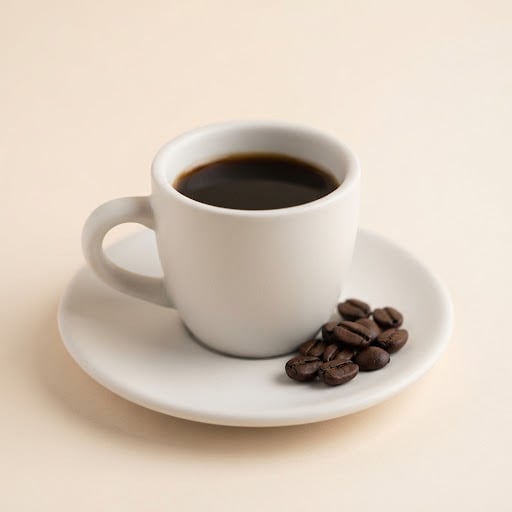
Coffee is best avoided for babies and young children. Coffee contains caffeine, which can disturb sleep, raise heart rate and upset the stomach, and the AAP discourages caffeine for children. A small amount of coffee flavor baked into a family dessert is not a worry for toddlers, but coffee as a drink should wait until the teen years.
How to serve coffee by age
Shapes and textures change as your baby’s grasp and chewing grow.

6 months
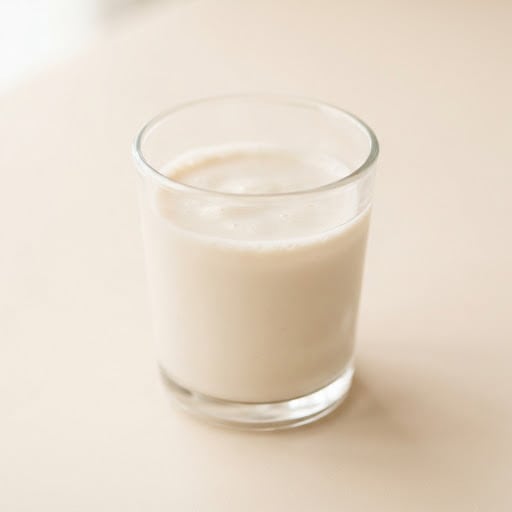
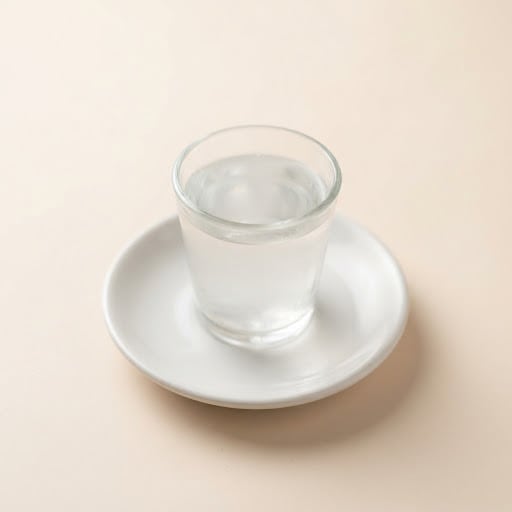
Do not give coffee, decaf or coffee-flavored foods to babies. Offer breast milk or formula and small sips of water from an open cup instead.

7–8 months
Coffee is still off the menu, including decaf and coffee-flavored foods. Keep hot drinks well out of reach, and offer breast milk or formula plus small sips of water from an open cup with meals.

9–12 months
Keep coffee and coffee drinks out of reach, including iced coffee and creamer cups. If you want a warm drink ritual, offer a little warm water or oatmeal made with breast milk, formula or whole cow's milk at breakfast.

12 months +
Toddlers do not need coffee or caffeine. Serve plain whole milk or water, and if a family dessert has a little coffee flavor, a small taste now and then is fine. Wait until the teen years for coffee as a drink.
Why it’s good
Coffee offers no nutrition that babies or young children need. The caffeine in coffee is a stimulant that small bodies handle slowly, and coffee drinks often come with added sugar and cream. Breast milk or formula are the best drinks for babies, and water and milk for toddlers.
Safety notes
- Caffeine can cause jitteriness, fast heartbeat, upset stomach, frequent urination and poor sleep in young children. Avoid coffee, energy drinks and caffeinated sodas.
- Decaf coffee still contains a small amount of caffeine and has no nutritional value for children. It is not needed either.
- Keep hot coffee away from babies and toddlers. Hot drinks are a common cause of scald burns in young children, so never hold a baby while drinking hot coffee.
- Whole coffee beans and chocolate-covered espresso beans are choking hazards and contain concentrated caffeine.
- Breastfeeding parents can usually have moderate caffeine. If your baby seems fussy or wakeful, ask your pediatrician about cutting back.
A low-allergy food, still worth watching
Coffee is not a Top 9 allergen, and coffee allergy is rare. Flavored coffees, creamers and coffee desserts can contain milk, soy, tree nuts or wheat, so check labels.
Coffee for babies: questions parents ask
Quick answers about coffee for babies and toddlers.
When can kids drink coffee?
Kids are best kept off coffee until the teen years, and the AAP discourages caffeine for children. Babies and toddlers should not drink coffee at all, including decaf.
Can babies have coffee?
No, babies should not have coffee. Coffee contains caffeine, which babies clear from their bodies much more slowly than adults, and it offers no nutrition they need.
Is coffee a choking hazard for babies?
Coffee as a liquid is not a choking hazard, but hot coffee is a serious burn risk. Whole coffee beans and chocolate-covered espresso beans are choking hazards and should be kept away from young children.
Is coffee a common allergen?
No, coffee is not a common allergen. Coffee drinks and coffee desserts often contain milk, soy or nuts, which are common allergens.
How do I serve coffee to a 6 month old?
Coffee should not be served to a 6 month old. Babies this age only need breast milk or formula plus small sips of water with meals.
My toddler drank some coffee. What should I do?
If a toddler drank a sip or two of coffee, there is usually no cause for alarm, but expect possible restlessness or trouble sleeping. If your child drank a large amount or seems unwell, with vomiting, a racing heart or unusual agitation, call Poison Control (1-800-222-1222 in the US) or your pediatrician.
Is decaf coffee okay for toddlers?
Decaf coffee is not recommended for toddlers. Decaf coffee still has a little caffeine, offers no nutrition and can lead to a taste for sweetened coffee drinks.
Can toddlers eat tiramisu or coffee cake?
Coffee cake usually contains no coffee, but it is high in sugar, so it is best saved for after age 2 as an occasional treat. Tiramisu contains coffee and often raw egg and alcohol, so it is best avoided for young children.
Does coffee contain more caffeine than tea?
A cup of brewed coffee usually contains more caffeine than a cup of black or green tea. Both coffee and caffeinated tea are best avoided for young children.
Is coffee bad for toddlers?
Yes, coffee is best avoided for toddlers because its caffeine can disturb sleep, raise heart rate and upset the stomach, and the AAP discourages caffeine for children. Coffee also offers no nutrition toddlers need, so serve plain whole milk or water instead, and keep hot coffee out of reach to prevent burns.
The takeaway
- Coffee is best avoided for babies and young children.
- Do not give coffee, decaf or coffee-flavored foods to babies.
- Choking risk is low. Not a Top 9 allergen, but offer a small amount first and watch for any reaction.
Read next


Sources
This guide follows current advice from these organizations.
- Starting Solid Foods American Academy of Pediatrics (HealthyChildren.org)
- When, What, and How to Introduce Solid Foods Centers for Disease Control and Prevention
- Choking Hazards Centers for Disease Control and Prevention
- Recommended Drinks for Young Children Ages 0-5 American Academy of Pediatrics (HealthyChildren.org)
- Foods and Drinks to Avoid or Limit Centers for Disease Control and Prevention
Track every new food in your baby’s passport
Track the first 100 foods and the Top 9 allergens. 7 days free.
More drinks and extras for babies
Updated November 2026. Reviewed by our dietitians. Based on AAP, CDC and NIAID guidance. Written for healthy, full-term babies; not a substitute for your pediatrician. If your baby was born early, has a medical condition, feeding difficulties or a known allergy, check with them first (medical disclaimer). Always stay with your baby while they eat.