
Drinks & extras Food Library
When can babies have gelatin?
Can babies have gelatin?
Babies can have plain, unflavored gelatin from about 6 months as an ingredient, such as in homemade fruit jellies. Boxed flavored gelatin desserts are high in added sugar or contain artificial sweeteners and colors, so save them for after age 2. Gummy candies and gummy vitamins are a choking hazard for young children.
How to serve gelatin by age
Shapes and textures change as your baby’s grasp and chewing grow.

6 months
Make a soft homemade jelly by setting unsweetened fruit puree or plain yogurt with a little unflavored gelatin, keeping it very soft and wobbly. Offer it on a spoon or a preloaded spoon.

7–8 months
Keep making soft, wobbly jellies with fruit puree or yogurt. Cut them into strips about the size of two adult fingers for baby to hold, or let your baby scoop them with hands.

9–12 months
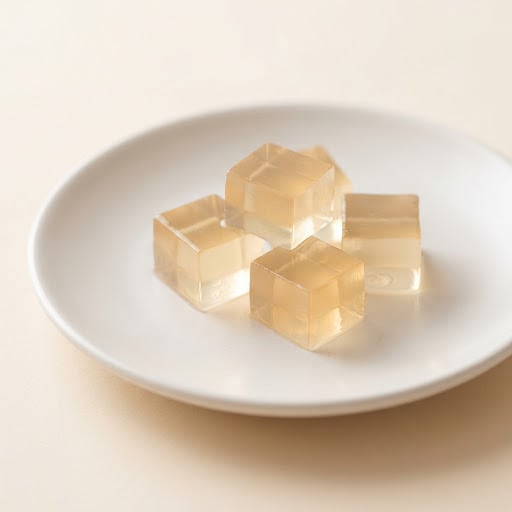
Offer small, soft cubes of homemade fruit jelly for pincer-grasp practice. Keep the jelly soft and wobbly rather than firm and rubbery.

12 months +
Toddlers can enjoy homemade fruit jellies, panna cotta made with milk, and recipes that use gelatin. Keep boxed jello as an occasional treat after age 2 and skip gummy candies until at least age 4.
Why it’s good
Gelatin is made from animal collagen and is mostly protein, but it lacks some essential amino acids, so it does not replace meat, eggs, beans or dairy. Gelatin offers little else nutritionally. Its main use for babies is as a fun way to serve fruit or yogurt in a new texture.
Safety notes
- Choose plain, unflavored gelatin. Boxed flavored gelatin is high in sugar or uses artificial sweeteners and dyes, which are best avoided before age 2.
- Gummy candies, gummy vitamins and fruit snacks are sticky and chewy and are a choking hazard. Wait until at least age 4 for gummies.
- Make homemade jellies soft and wobbly. Very firm, rubbery gelatin is harder for babies to break down.
- Never give jello shots or any gelatin dessert made with alcohol to children.
- Gelatin is usually made from pork or beef. Check the source if your family avoids certain animal products, and look for agar for a plant-based option.
A low-allergy food, still worth watching
Gelatin is not a common allergen, but gelatin allergy is possible and has been linked to some vaccine reactions. If your child has ever reacted to a vaccine or to gelatin, talk to your pediatrician, and watch for hives, swelling or vomiting the first time.
Gelatin for babies: questions parents ask
Quick answers about gelatin for babies and toddlers.
When can babies have gelatin?
Babies can have plain, unflavored gelatin from about 6 months, used in homemade foods like fruit or yogurt jellies. Boxed flavored gelatin desserts are best saved for after age 2 because of added sugar or sweeteners.
Can babies have jello?
Babies can eat homemade jello made with plain gelatin and unsweetened fruit puree. Store-bought boxed jello is high in added sugar or contains artificial sweeteners and dyes, so it is best avoided before age 2.
Is gelatin a choking hazard for babies?
Soft homemade gelatin is a low choking risk because it melts and breaks apart easily in the mouth. Gummy candies, gummy vitamins and fruit snacks are a choking hazard, so wait until at least age 4.
Is gelatin a common allergen?
No, gelatin is not a common allergen and is not one of the Top 9 allergens. Gelatin allergy is rare but can happen, and it is relevant for some vaccines, so mention any reaction to your pediatrician.
How do I serve gelatin to a 6 month old?
To serve gelatin to a 6 month old, bloom plain gelatin in water, stir it into warm unsweetened fruit puree and chill until softly set. Offer the soft jelly on a spoon. Finger-sized strips your baby can hold can follow at 7–8 months.
Can babies have sugar-free jello?
Sugar-free jello is not recommended for babies because it contains artificial sweeteners and dyes. Homemade gelatin with fruit puree is a better choice.
Is gelatin good for babies?
Gelatin is safe for babies in homemade foods but adds little nutrition on its own. Using gelatin to set fruit, yogurt or milk is a fun way to offer those healthy foods in a new texture.
What is a vegetarian substitute for gelatin?
Agar, made from seaweed, is a common vegetarian substitute for gelatin and sets firmer at lower amounts. Use less agar than gelatin so homemade jellies stay soft for babies.
When can toddlers have gummy candies?
Toddlers should wait until at least age 4 for gummy candies, gummy vitamins and fruit snacks. These chewy, sticky foods can block the airway and also stick to teeth.
The takeaway
- Babies can have plain, unflavored gelatin from about 6 months as an ingredient, such as in homemade fruit jellies.
- Make a soft homemade jelly by setting unsweetened fruit puree or plain yogurt with a little unflavored gelatin, keeping it very soft and wobbly.
- Choking risk is low. Not a Top 9 allergen, but offer a small amount first and watch for any reaction.
Read next


Sources
This guide follows current advice from these organizations.
- Starting Solid Foods American Academy of Pediatrics (HealthyChildren.org)
- When, What, and How to Introduce Solid Foods Centers for Disease Control and Prevention
- Choking Hazards Centers for Disease Control and Prevention
- Recommended Drinks for Young Children Ages 0-5 American Academy of Pediatrics (HealthyChildren.org)
- Foods and Drinks to Avoid or Limit Centers for Disease Control and Prevention
- Dietary Guidelines for Americans, 2020-2025 U.S. Department of Agriculture and HHS
Track every new food in your baby’s passport
Track the first 100 foods and the Top 9 allergens. 7 days free.
More drinks and extras for babies
Updated November 2026. Reviewed by our dietitians. Based on AAP, CDC and NIAID guidance. Written for healthy, full-term babies; not a substitute for your pediatrician. If your baby was born early, has a medical condition, feeding difficulties or a known allergy, check with them first (medical disclaimer). Always stay with your baby while they eat.