
Drinks & extras Food Library
When can babies have coconut oil?
Can babies have coconut oil?
Babies can have coconut oil from about 6 months as a cooking fat. Use small amounts in melted form to roast vegetables or cook eggs, and never serve hardened lumps of coconut oil. Coconut oil is not a common allergen, but it is high in saturated fat, so rotate it with other oils.
How to serve coconut oil by age
Shapes and textures change as your baby’s grasp and chewing grow.

6 months
Stir a few drops of melted coconut oil into smooth purees, or use a little to roast or steam sweet potato or squash before blending it smooth. Serve the puree warm or at room temperature so the oil stays mixed in.

7–8 months
Use a little melted coconut oil to roast soft sweet potato wedges, cook soft scrambled eggs or saute vegetables until tender, then mash or serve as soft pieces that squash easily. It also adds energy to lumpier mashes.

9–12 months
Keep cooking with small amounts of coconut oil, for example in pancakes, muffins or stir-fried soft veggies cut into bite-size pieces. Make sure any oil in the food is melted or mixed in, not in hard lumps.

12 months +
Toddlers can eat foods cooked or baked with coconut oil as part of family meals. Rotate it with olive oil, canola oil and butter so your child gets a mix of fats.
Why it’s good
Coconut oil is pure fat, which gives babies concentrated energy and helps them absorb fat-soluble vitamins A, D, E and K from other foods. Coconut oil is mostly saturated fat and has almost no vitamins or minerals of its own. Oils like olive and canola add healthy unsaturated fats, so variety is best.
Safety notes
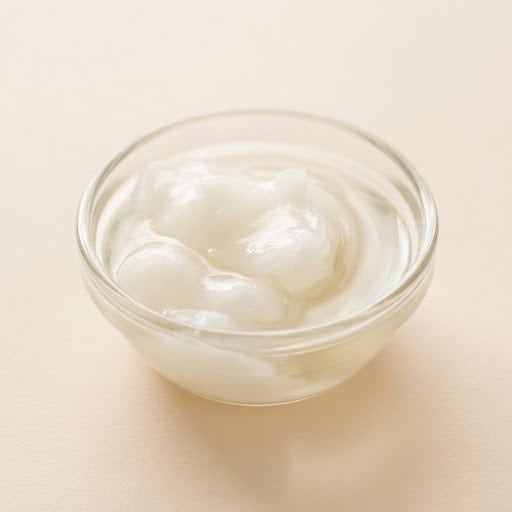
- Coconut oil turns solid below about 76 F (24 C). Melt it or mix it into food so your baby is not handed slippery, waxy lumps that are hard to swallow.
- Do not give spoonfuls of coconut oil on their own. Use it as an ingredient in small amounts.
- Heat oil gently and let food cool before serving. Hot oil can cause burns.
- Coconut oil is high in saturated fat. Use it alongside other cooking fats rather than as the only one.
- Coconut oil is not a treatment for constipation, reflux or illness. Ask your pediatrician about any ongoing symptoms.
A low-allergy food, still worth watching
Coconut oil is not a Top 9 allergen, and refined coconut oil contains very little protein, so reactions are rare. If your baby has a known coconut or tree nut allergy, check with your pediatrician first.
Coconut oil for babies: questions parents ask
Quick answers about coconut oil for babies and toddlers.
When can babies have coconut oil?
Babies can have coconut oil from about 6 months, when they start solid foods. Use coconut oil in small amounts as a cooking fat or melted into foods rather than on its own.
Can babies have coconut oil?
Yes, babies can eat coconut oil as part of cooked foods from 6 months. Coconut oil adds energy and flavor, but it is best rotated with other fats like olive oil and butter.
Is coconut oil a choking hazard for babies?
Coconut oil is a low choking risk when it is melted or mixed into food. Solid coconut oil can form slippery lumps that are hard to swallow, so never offer hardened chunks.
Is coconut oil a common allergen?
No, coconut oil is not a common allergen and coconut is not one of the Top 9 allergens. Refined coconut oil contains very little protein, which makes reactions rare.
How do I serve coconut oil to a 6 month old?
To serve coconut oil to a 6 month old, stir a few drops of melted coconut oil into a smooth puree, or use about a teaspoon to roast vegetables before blending them smooth. Cool the food before serving and keep the portion of oil small.
Does coconut oil help with baby constipation?
There is no good evidence that coconut oil relieves constipation in babies. Water with meals, fruits like pears and prunes, and fiber-rich foods are better first steps, and see your pediatrician if constipation lasts.
Is coconut oil healthy for babies?
Coconut oil can be part of a healthy diet for babies as one of several cooking fats. Coconut oil is mostly saturated fat, so it is not a superfood, and olive oil and canola oil give babies healthier unsaturated fats.
Should I use refined or virgin coconut oil for my baby?
Both refined and virgin coconut oil are fine for babies. Virgin coconut oil has a coconut flavor and lower smoke point, while refined coconut oil is neutral in taste and handles higher heat.
Can I put coconut oil on my baby's skin?
Many parents use coconut oil as a moisturizer for dry skin, but talk with your pediatrician first if your baby has eczema. Some babies react to skin products, and food allergens on broken skin may raise allergy risk.
The takeaway
- Babies can have coconut oil from about 6 months as a cooking fat.
- Stir a few drops of melted coconut oil into smooth purees, or use a little to roast or steam sweet potato or squash before blending it smooth.
- Choking risk is low. Not a Top 9 allergen, but offer a small amount first and watch for any reaction.
Read next



Sources
This guide follows current advice from these organizations.
- Starting Solid Foods American Academy of Pediatrics (HealthyChildren.org)
- When, What, and How to Introduce Solid Foods Centers for Disease Control and Prevention
- Choking Hazards Centers for Disease Control and Prevention
- Recommended Drinks for Young Children Ages 0-5 American Academy of Pediatrics (HealthyChildren.org)
Track every new food in your baby’s passport
Track the first 100 foods and the Top 9 allergens. 7 days free.
More drinks and extras for babies

Updated November 2026. Reviewed by our dietitians. Based on AAP, CDC and NIAID guidance. Written for healthy, full-term babies; not a substitute for your pediatrician. If your baby was born early, has a medical condition, feeding difficulties or a known allergy, check with them first (medical disclaimer). Always stay with your baby while they eat.