
Drinks & extras Food Library
When can babies have cocoa and chocolate?
Can babies have cocoa and chocolate?
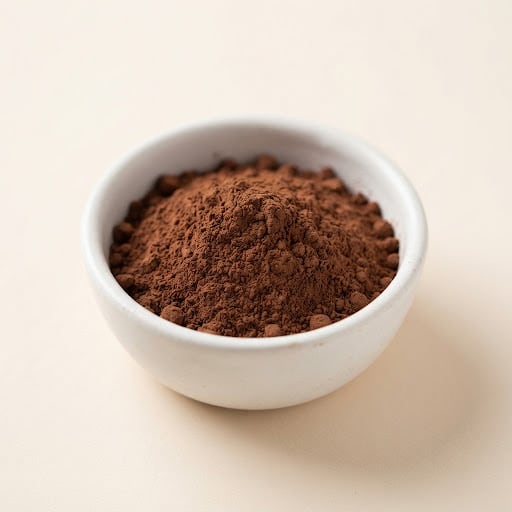
Babies can have a pinch of unsweetened cocoa powder from about 12 months, stirred into other foods. Sweetened chocolate, chocolate milk and candy are best saved until after 2 years because of added sugar, and chocolate contains small amounts of caffeine. Pure cocoa is not a common allergen, but many chocolate products contain milk, nuts or soy.
How to serve cocoa and chocolate by age
Shapes and textures change as your baby’s grasp and chewing grow.

6 months
Skip cocoa and chocolate for now; they contain caffeine and theobromine, and chocolate products have added sugar. Offer plain fruit or vegetable purees instead.

7–8 months
Keep skipping cocoa and chocolate. Mashed banana, cinnamon or vanilla-free fruit purees add flavor without caffeine.

9–12 months
Still skip cocoa before 12 months. Offer naturally sweet foods like ripe banana or baked apple instead.

12 months +
From 12 months, a small pinch of unsweetened cocoa can be baked into homemade banana-oat muffins or pancakes with no added sugar, earlier in the day. Chocolate, chocolate milk and other sweetened products are best saved until after age 2.
Why it’s good
Unsweetened cocoa powder offers fiber, magnesium, copper and some iron, plus plant compounds called flavanols. Babies only get tiny amounts, so cocoa is mainly a flavor that adds variety. Most chocolate products add a lot of sugar and fat, which crowd out more nourishing foods.
Safety notes
- Use unsweetened cocoa powder rather than chocolate milk mix, hot cocoa mix or syrup, which are mostly sugar. The AAP advises no added sugar before age 2.
- Cocoa and chocolate contain caffeine and a related stimulant, theobromine. Dark chocolate and cocoa have more than milk chocolate, so keep amounts tiny and offer them earlier in the day.
- Hard chocolate pieces, chocolate chips, chocolate-covered nuts, raisins or pretzels and chewy chocolate candies are choking hazards. Avoid them for young children and wait until at least age 4 for hard candy.
- Read labels: many chocolates contain milk, soy, wheat, peanuts or tree nuts, or are made on shared equipment with them.
- Some cocoa and dark chocolate products have been found to contain lead and cadmium. Keep cocoa an occasional flavor rather than a daily food, and choose brands that publish heavy metal testing when you can.
A low-allergy food, still worth watching
Pure cocoa is not a Top 9 allergen, and true cocoa allergy is rare. Chocolate products often contain milk, soy, peanut, tree nuts or wheat, so introduce those allergens separately first and check every label.
Cocoa and chocolate for babies: questions parents ask
Quick answers about cocoa and chocolate for babies and toddlers.
When can babies have chocolate?
Babies can have a small pinch of unsweetened cocoa powder mixed into food from about 12 months. Sweetened chocolate, candy and chocolate milk are best saved until after age 2 because of their added sugar.
Can babies have cocoa powder?
Yes, babies can eat a tiny amount of unsweetened cocoa powder stirred into foods like yogurt, oatmeal or mashed banana. Cocoa powder should be a flavor, not a daily staple, because it contains a little caffeine and can carry trace heavy metals.
Is chocolate a choking hazard for babies?
Chocolate can be a choking hazard when it comes as hard chunks, chips, round candies or chewy bars. Cocoa powder mixed into soft food is low risk, while chocolate candies and chocolate-covered nuts or raisins should wait until at least age 4.
Is chocolate a common allergen?
No, pure cocoa and chocolate are not common allergens. Many chocolate products contain milk, soy, peanuts, tree nuts or wheat, though, so always read the label before offering chocolate to a baby or toddler.
How do I serve cocoa to a 6 month old?
Cocoa is not recommended for a 6 month old because it contains caffeine and theobromine. Offer naturally sweet fruit purees instead, and wait until about 12 months for a pinch of unsweetened cocoa in baked foods.
Does chocolate keep babies awake?
Chocolate contains caffeine and theobromine, which can make some babies and toddlers restless or wakeful. Offer cocoa or chocolate earlier in the day, in very small amounts, and skip it near nap time or bedtime.
When can toddlers have chocolate milk?
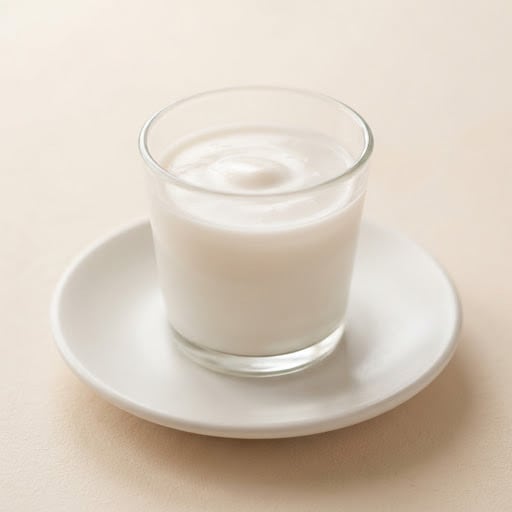
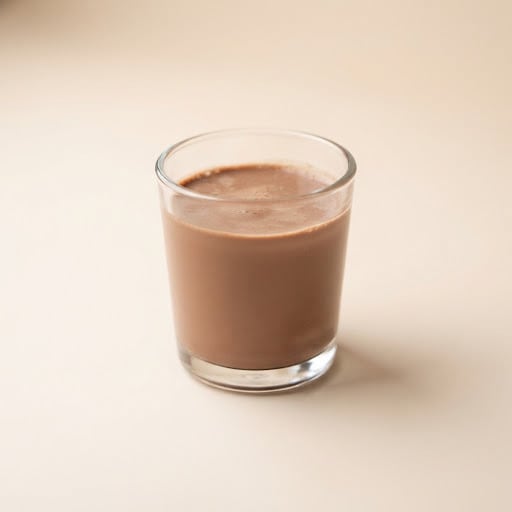
Chocolate milk is best saved until after age 2, because store-bought chocolate milk and cocoa mixes are high in added sugar. A homemade version with plain milk and a little unsweetened cocoa, after 12 months, is a better choice for an occasional drink.
Is dark chocolate or white chocolate better for toddlers?
Dark chocolate has less sugar but more caffeine than milk chocolate, while white chocolate has no caffeine but is mostly sugar and fat. For toddlers over 2, any type is fine as an occasional small treat, but none is needed in the diet.
Is there lead in cocoa powder?
Some cocoa powders and dark chocolates have been found to contain lead and cadmium, which come from soil and processing. Keep cocoa an occasional flavor for babies and toddlers, vary their foods, and choose brands that share heavy metal testing results when possible.
Why can't babies have chocolate?
Babies under 12 months should skip chocolate because it contains caffeine and theobromine, and most chocolate products are full of added sugar, which is not advised before age 2. From 12 months, a pinch of unsweetened cocoa baked into homemade muffins or pancakes is fine. Offer naturally sweet foods like ripe banana before then.
Is chocolate bad for toddlers?
Chocolate is not harmful for toddlers in small amounts, but sweetened chocolate is best saved until after age 2 because of added sugar. Between 12 months and 2 years, a pinch of unsweetened cocoa in homemade baked goods is a better option. Offer it earlier in the day, since cocoa contains a little caffeine.
The takeaway
- Babies can have a pinch of unsweetened cocoa powder from about 12 months, stirred into other foods.
- From 12 months, a small pinch of unsweetened cocoa can be baked into homemade banana-oat muffins or pancakes with no added sugar, earlier in the day.
- Choking risk is medium. Not a Top 9 allergen, but offer a small amount first and watch for any reaction.
Read next


Sources
This guide follows current advice from these organizations.
- Starting Solid Foods American Academy of Pediatrics (HealthyChildren.org)
- When, What, and How to Introduce Solid Foods Centers for Disease Control and Prevention
- Choking Hazards Centers for Disease Control and Prevention
- Choking Prevention American Academy of Pediatrics (HealthyChildren.org)
- Recommended Drinks for Young Children Ages 0-5 American Academy of Pediatrics (HealthyChildren.org)
- Foods and Drinks to Avoid or Limit Centers for Disease Control and Prevention
- Dietary Guidelines for Americans, 2020-2025 U.S. Department of Agriculture and HHS
Track every new food in your baby’s passport
Track the first 100 foods and the Top 9 allergens. 7 days free.
More drinks and extras for babies

Updated November 2026. Reviewed by our dietitians. Based on AAP, CDC and NIAID guidance. Written for healthy, full-term babies; not a substitute for your pediatrician. If your baby was born early, has a medical condition, feeding difficulties or a known allergy, check with them first (medical disclaimer). Always stay with your baby while they eat.