
Veggies Food Library
When can babies have burdock root?
Can babies have burdock root?
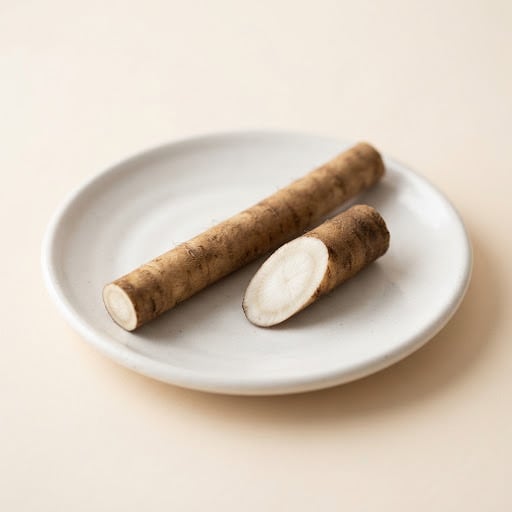
Babies can have burdock root, also called gobo, from about 6 months when it is cooked until very soft. Burdock root is a long, fibrous root vegetable with an earthy, slightly sweet taste. Raw or firm burdock is a choking risk, so simmer or steam it until tender and serve it mashed, grated or in soft pieces.
How to serve burdock root by age
Shapes and textures change as your baby’s grasp and chewing grow.

6 months
Peel burdock root, slice it thinly against the fibers, and simmer for 20 to 30 minutes until very soft. Blend it with potato, carrot or sweet potato into a smooth puree, adding a little cooking water, and offer it on a spoon.

7–8 months
Mash soft-cooked burdock roughly into potato or sweet potato, or finely grate it into a thicker mash. You can also offer thick sticks about the size of an adult finger, simmered until a stick squashes easily between your thumb and finger.

9–12 months
Finely grate or chop soft-cooked burdock and mix it into rice, soups, omelets or veggie fritters. Small, soft pieces about the size of a pea are good for pincer practice.

12 months +
Toddlers can have soft-cooked burdock in thin, short pieces in soups, stews and rice dishes. From around 18 months, toddlers can try homemade kinpira gobo in thin, tender matchsticks made without sugar and with only a few drops of low-sodium soy sauce. Keep pieces soft until your child chews well.
Why it’s good
Burdock root gives babies fiber, including inulin, a prebiotic that feeds healthy gut bacteria, plus potassium, magnesium and a little vitamin B6. The fiber in burdock can help with regular stools. Burdock root offers only small amounts of iron, so pair it with iron-rich foods.
Safety notes
- Always cook burdock root until it is very soft. Raw or firm burdock is fibrous and hard, and is a choking risk for babies and toddlers.
- Burdock is woody and stringy. Cut against the fibers into short pieces, or grate it, so it does not form long strings in the mouth.
- Do not give burdock tea, burdock extracts or burdock supplements to babies or children. These are not tested for safety in children and are not the same as eating the cooked vegetable.
- Buy burdock from a grocery store rather than foraging. Wild burdock can be confused with toxic plants like belladonna, which has caused poisonings.
- Kinpira gobo and other restaurant or packaged gobo dishes are often high in soy sauce and sugar. Make a low-sodium version at home for toddlers.
A low-allergy food, still worth watching
Burdock root is not a common allergen, but allergic reactions, occasionally severe ones, have been reported. Burdock is in the same plant family as ragweed, daisies and chamomile, so take extra care if your child has those allergies, and watch for hives, swelling or vomiting the first few times.
Burdock root for babies: questions parents ask
Quick answers about burdock root for babies and toddlers.
When can babies have burdock root?
Babies can have burdock root from about 6 months, as long as it is peeled and cooked until very soft. Burdock root should never be served raw to babies.
Can babies have burdock root?
Yes, babies can eat burdock root when it is well cooked and prepared for their age. Burdock root adds fiber and a new earthy flavor to a baby's diet.
Is burdock root a choking hazard for babies?
Burdock root is a choking hazard when raw or undercooked because it is hard and fibrous. Simmer burdock root until it squashes easily and serve it in thick soft sticks, mashed or grated to lower the risk.
Is burdock root a common allergen?
No, burdock root is not a common allergen, though reactions have been reported. Burdock root is related to ragweed and chamomile, so children with those allergies may be more likely to react.
How do I serve burdock root to a 6 month old?
To serve burdock root to a 6 month old, peel it, cut it into short pieces and simmer until very soft, then blend it smooth with potato or sweet potato and offer it on a spoon. Soft burdock sticks to hold can follow at 7–8 months.
What is gobo?
Gobo is the Japanese name for burdock root, a long, thin, brown-skinned root used often in Japanese and Korean cooking. Gobo and burdock root are the same vegetable.
When can babies have kinpira gobo?
Toddlers 18 months and up can try homemade kinpira gobo cut into thin, very soft matchsticks and made with little soy sauce and sugar. Store-bought kinpira gobo is usually salty and firm, so it is best saved for older kids.
Can babies drink burdock tea or take burdock supplements?
No, babies and children should not have burdock tea, extracts or supplements. Herbal products are not tested for safety in young children, so stick to cooked burdock root as a food.
How do I prepare burdock root?
To prepare burdock root, scrub or lightly peel the skin, cut it, and drop the pieces into water right away to stop browning. Burdock root then needs to be simmered or steamed until very soft before serving to a baby.
The takeaway
- Babies can have burdock root, also called gobo, from about 6 months when it is cooked until very soft.
- Peel burdock root, slice it thinly against the fibers, and simmer for 20 to 30 minutes until very soft.
- Choking risk is medium. Not a Top 9 allergen, but offer a small amount first and watch for any reaction.
Read next



Sources
This guide follows current advice from these organizations.
- Starting Solid Foods American Academy of Pediatrics (HealthyChildren.org)
- When, What, and How to Introduce Solid Foods Centers for Disease Control and Prevention
- Choking Hazards Centers for Disease Control and Prevention
- Choking Prevention American Academy of Pediatrics (HealthyChildren.org)
Track every new food in your baby’s passport
Track the first 100 foods and the Top 9 allergens. 7 days free.
More vegetables for babies
Updated November 2026. Reviewed by our dietitians. Based on AAP, CDC and NIAID guidance. Written for healthy, full-term babies; not a substitute for your pediatrician. If your baby was born early, has a medical condition, feeding difficulties or a known allergy, check with them first (medical disclaimer). Always stay with your baby while they eat.