
Herbs & spices Food Library
When can babies have anise?
Can babies have anise?
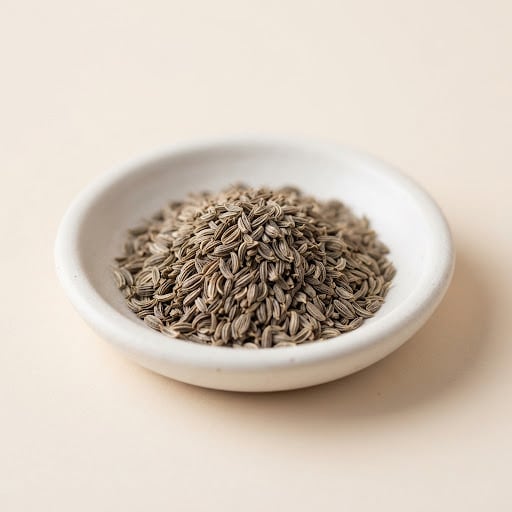
Babies can have ground anise (aniseed) as a seasoning from about 6 months, once they are ready for solids. Use a small pinch cooked into food, and skip anise tea, anise oil and star anise tea for infants. Whole seeds and whole star anise pods should be strained out or removed before serving.
How to serve anise by age
Shapes and textures change as your baby’s grasp and chewing grow.

6 months
Stir a tiny pinch of finely ground anise into a smooth puree your baby already eats, such as sweet potato, oatmeal or stewed pear, and cook it in for a few minutes so the flavor mellows. Offer it on a spoon, and remove any whole seeds or pods before blending or serving.

7–8 months
Add a small pinch of ground anise to thicker, lumpier foods like fork-mashed pear, mashed carrot or soft lentils. You can also season soft-cooked carrot or pear pieces that squash easily between your fingers, and strain out any whole seeds first.

9–12 months
Keep using ground anise in small amounts in soft family foods like braised carrots, lentils or baked apple, cut into pieces your baby can pick up. If you cook with whole seeds, strain them out or grind them first, since whole seeds can stick in the throat or gums.

12 months +
Toddlers can share family dishes seasoned with anise, such as soft anise-scented breads, stews or roasted fennel and carrots. Anise-flavored sweets like cookies or licorice candy are added sugar, so keep them occasional, and avoid hard candy until at least age 4.
Why it’s good
Anise is used in such small amounts that it adds flavor rather than real nutrition. Its warm, sweet licorice taste is a helpful way to make vegetables, grains and fruit more interesting without adding salt or sugar. Offering a range of herbs and spices early can help babies accept new flavors later.
Safety notes
- Use ground anise or remove whole seeds and pods before serving. Whole star anise pods are hard, pointy and a choking hazard.
- Do not give anise tea, star anise tea or herbal teas to babies. Star anise tea has been linked to serious reactions in infants, partly because some products were contaminated with toxic Japanese star anise.
- Never give anise essential oil or anise extract by mouth to babies or toddlers. Concentrated oils are much stronger than the spice and can be harmful.
- Check labels on anise-flavored baked goods and candy for added sugar and honey, and skip honey entirely before 12 months.
- Black licorice candy is not a baby food: it is high in sugar and some types contain real licorice root, which is not recommended for young children in large amounts.
A low-allergy food, still worth watching
Anise is not a Top 9 allergen and reactions are rare. Anise belongs to the same plant family as celery, carrot, fennel and coriander, so children with those allergies or with mugwort or birch pollen allergy may react; start with a small amount and watch for hives, mouth itching, swelling or vomiting.
Anise for babies: questions parents ask
Quick answers about anise for babies and toddlers.
When can babies have anise?
Babies can have ground anise from about 6 months, when they start solids. Use a small pinch cooked into foods, and avoid anise tea and anise oil for infants.
Can babies have anise?
Yes, babies can eat anise in the small amounts used as a seasoning in food. Ground anise seed stirred into fruit, vegetables or grains is a simple way to add flavor without salt or sugar.
Is anise a choking hazard for babies?
Ground anise is not a choking hazard, but whole anise seeds and whole star anise pods can be. Grind the seeds or strain them out, and always remove star anise pods from soups and stews before serving.
Is anise a common allergen?
No, anise is not one of the Top 9 common food allergens. Anise allergy is rare but has been reported, especially in people allergic to celery, carrot, fennel or mugwort pollen.
How do I serve anise to a 6 month old?
To serve anise to a 6 month old, add a tiny pinch of ground anise to a food your baby already enjoys, like mashed squash, applesauce or oatmeal, and cook it in briefly. Start small, since the licorice flavor is strong.
Is anise the same as star anise?
No, anise and star anise come from two different plants, though both taste like licorice. Anise is a small seed from a plant related to fennel, while star anise is the star-shaped fruit of an evergreen tree, and both are fine as a cooking spice but not as a tea for babies.
Can babies drink anise or star anise tea?
No, babies should not drink anise tea or star anise tea. Star anise teas have been linked to serious nervous system reactions in infants, and babies under 12 months should drink only breast milk, formula and small sips of water.
Does anise help with colic or gas in babies?
Anise is a traditional home remedy for gas, but there is not enough evidence that it safely treats colic in babies. Do not give anise teas, gripe waters or oils to infants without talking to your pediatrician first.
Can toddlers eat black licorice?
Black licorice is best kept as a rare treat for older children, not toddlers. Licorice candy is high in sugar, can be chewy and hard to break down, and some types contain real licorice root, so offer anise flavor through home-cooked food instead.
The takeaway
- Babies can have ground anise (aniseed) as a seasoning from about 6 months, once they are ready for solids.
- Stir a tiny pinch of finely ground anise into a smooth puree your baby already eats, such as sweet potato, oatmeal or stewed pear, and cook it in for a few minutes so the flavor mellows.
- Choking risk is low. Not a Top 9 allergen, but offer a small amount first and watch for any reaction.
Read next


Sources
This guide follows current advice from these organizations.
- Starting Solid Foods American Academy of Pediatrics (HealthyChildren.org)
- When, What, and How to Introduce Solid Foods Centers for Disease Control and Prevention
- Choking Hazards Centers for Disease Control and Prevention
- Foods and Drinks to Avoid or Limit Centers for Disease Control and Prevention
- Dietary Guidelines for Americans, 2020-2025 U.S. Department of Agriculture and HHS
Track every new food in your baby’s passport
Track the first 100 foods and the Top 9 allergens. 7 days free.
More herbs and spices for babies
Updated November 2026. Reviewed by our dietitians. Based on AAP, CDC and NIAID guidance. Written for healthy, full-term babies; not a substitute for your pediatrician. If your baby was born early, has a medical condition, feeding difficulties or a known allergy, check with them first (medical disclaimer). Always stay with your baby while they eat.