
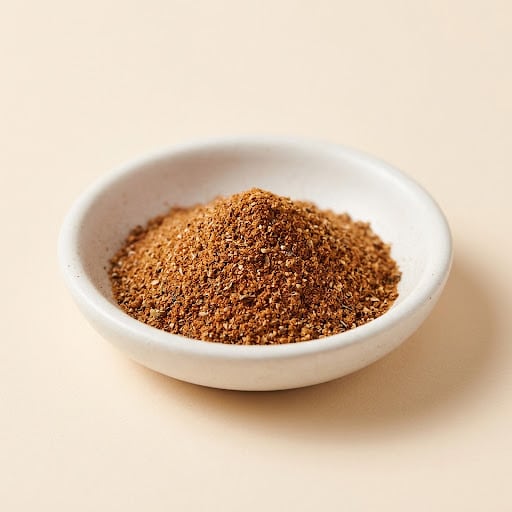
Herbs & spices Food Library
When can babies have adobo seasoning?
Can babies have adobo seasoning?
Babies can have salt-free adobo seasoning from about 6 months, in small amounts cooked into food. Most store-bought adobo blends are mainly salt, so they are best avoided before 12 months and used lightly after that. A homemade blend of garlic powder, onion powder, oregano and a pinch of turmeric gives babies the same flavor without the sodium.
How to serve adobo seasoning by age
Shapes and textures change as your baby’s grasp and chewing grow.

6 months
Mix a homemade salt-free adobo blend of garlic powder, onion powder, dried oregano, a pinch of black pepper and turmeric. Stir a tiny pinch into smooth purees such as mashed potato, black bean puree or blended chicken, and offer it on a spoon.

7–8 months
Sprinkle a small pinch of the salt-free blend onto chicken, beans or vegetables before cooking, then serve them as lumpier mashes or finely minced into puree. Soft pieces that squash easily between your thumb and finger, like tender roasted sweet potato, work well too.

9–12 months
Keep using salt-free adobo to season meatballs, shredded chicken, rice and beans or egg strips. Cook your family meal with the salt-free blend, then add salt to adult portions only.

12 months +
Toddlers can have family food made with a light sprinkle of store-bought adobo, but look for low-sodium or salt-free versions and use less than the recipe suggests. Keep salty seasonings as an occasional flavor, not a daily one.
Why it’s good
Adobo seasoning does not add much nutrition in the small amounts used, but its garlic, onion, oregano and turmeric help babies learn to enjoy savory, family flavors. Exposing babies to herbs and spices early may help them accept a wider range of foods. Flavoring with spices instead of salt is a healthy habit for the whole family.
Safety notes
- Store-bought adobo seasoning is usually mostly salt. A small sprinkle can add a lot of sodium, so choose a salt-free blend for babies under 12 months.
- Some adobo blends contain MSG (monosodium glutamate). MSG is considered safe by the FDA, but it adds sodium, so salt-free, MSG-free blends are best for babies.
- Check labels for allergens. Some seasoning blends contain wheat or soy, or are made in facilities that also handle other allergens.
- Adobo seasoning is different from chipotle peppers in adobo sauce, which are spicy and salty, and from Filipino adobo, a dish braised in vinegar and soy sauce. Each needs its own approach for babies.
- Do not let babies eat dry seasoning from the jar. Spice powder can make babies cough if inhaled, so always cook it into moist food.
A low-allergy food, still worth watching
Adobo seasoning is not a common allergen, and its usual ingredients are not among the Top 9 allergens. Some brands add wheat or soy, so read the label, and watch for rash or mouth irritation the first time your baby has a new spice blend.
Adobo seasoning for babies: questions parents ask
Quick answers about adobo seasoning for babies and toddlers.
When can babies have adobo seasoning?
Babies can have salt-free adobo seasoning from about 6 months, cooked into food in small amounts. Regular store-bought adobo seasoning is high in salt, so it is best avoided before 12 months and used lightly afterward.
Can babies have adobo seasoning?
Yes, babies can eat adobo seasoning if it is a salt-free or homemade blend. The herbs and spices in adobo seasoning are safe for babies, but the salt in most commercial blends is too much for babies under 12 months.
Is adobo seasoning a choking hazard for babies?
Adobo seasoning is not a choking hazard when it is cooked into food. Dry spice powder can make babies cough if they inhale it, so never offer adobo seasoning on its own or as a dry dip.
Is adobo seasoning a common allergen?
Adobo seasoning is not a common allergen. The usual ingredients, like salt, garlic, onion, oregano, black pepper and turmeric, are not Top 9 allergens, but some brands contain wheat or soy, so check the label.
How do I serve adobo seasoning to a 6 month old?
To serve adobo seasoning to a 6 month old, make a salt-free blend at home and stir a small pinch into a smooth puree, such as mashed sweet potato, black bean puree or blended chicken. Offer it on a spoon, and save soft seasoned pieces for 7–8 months.
How do I make salt-free adobo seasoning for a baby?
To make salt-free adobo seasoning for a baby, mix 2 parts garlic powder, 2 parts onion powder, 2 parts dried oregano, 1 part ground black pepper and 1 part ground turmeric or cumin. Store the adobo blend in a sealed jar and use a pinch at a time.
Is the MSG in adobo seasoning safe for babies?
MSG is generally recognized as safe by the FDA, and there is no strong evidence it harms babies. MSG still adds sodium, so for babies under 12 months, an MSG-free and salt-free adobo seasoning is the better choice.
Is adobo seasoning the same as chipotle in adobo sauce?
No, adobo seasoning is a dry blend of salt, garlic, oregano and other spices, while chipotle in adobo is smoked jalapeño peppers canned in a spicy, salty tomato sauce. Chipotles in adobo are best saved for toddlers, in tiny amounts mixed into family food.
Is adobo seasoning spicy?
Most adobo seasoning is not spicy. Adobo seasoning tastes savory and garlicky, with mild warmth from black pepper. Some blends add cayenne or chili, so check the label if your baby is new to spicy flavors.
The takeaway
- Babies can have salt-free adobo seasoning from about 6 months, in small amounts cooked into food.
- Mix a homemade salt-free adobo blend of garlic powder, onion powder, dried oregano, a pinch of black pepper and turmeric.
- Choking risk is low. Not a Top 9 allergen, but offer a small amount first and watch for any reaction.
Read next


Sources
This guide follows current advice from these organizations.
- Starting Solid Foods American Academy of Pediatrics (HealthyChildren.org)
- When, What, and How to Introduce Solid Foods Centers for Disease Control and Prevention
- Choking Hazards Centers for Disease Control and Prevention
Track every new food in your baby’s passport
Track the first 100 foods and the Top 9 allergens. 7 days free.
More herbs and spices for babies
Updated November 2026. Reviewed by our dietitians. Based on AAP, CDC and NIAID guidance. Written for healthy, full-term babies; not a substitute for your pediatrician. If your baby was born early, has a medical condition, feeding difficulties or a known allergy, check with them first (medical disclaimer). Always stay with your baby while they eat.