
Fruit Food Library
When can babies have nectarines?
Can babies have nectarines?
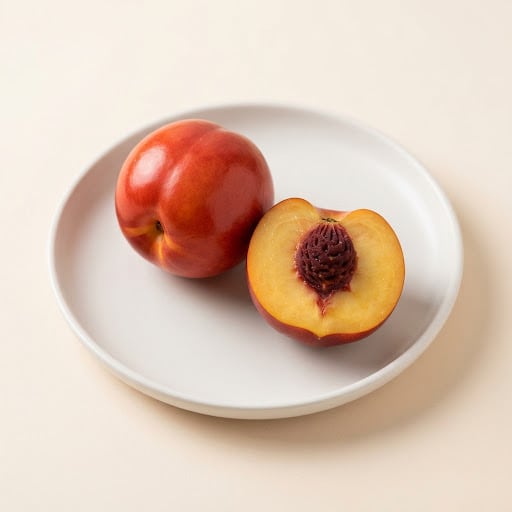
Babies can have nectarines from about 6 months when the fruit is very ripe or cooked until soft. Firm nectarine slices and the hard pit are choking hazards, so always remove the pit and pick fruit that squashes easily. Nectarines have smooth skin, but you can peel it for young babies.
How to serve nectarines by age
Shapes and textures change as your baby’s grasp and chewing grow.

6 months
Peel and pit a very ripe nectarine and mash or blend it until smooth; if the fruit is firm, steam or bake it until soft first. Offer it on a spoon, on its own or stirred into yogurt or oatmeal.

7–8 months
Mash ripe or cooked nectarine more roughly so it has soft lumps. You can also offer a large, very ripe nectarine half with the pit removed for your baby to gnaw and suck, or wide wedges about the size of two adult fingers that squash easily.

9–12 months
Cut ripe nectarine into small, soft bite-size pieces, peeled if the skin gives your baby trouble. Pieces should squash easily between your thumb and finger.

12 months +
Toddlers can eat ripe nectarine slices with the skin, or bite from a whole pitted fruit with supervision. Keep cutting firm fruit into thin slices.
Why it’s good
Nectarines give babies vitamin C, vitamin A, potassium and fiber. Vitamin C helps babies absorb iron from plant foods served at the same meal. The sweet flavor makes nectarine a good partner for iron-rich foods like lentils and fortified cereal.
Safety notes
- Always remove the pit. Nectarine pits are a serious choking hazard and should be kept out of reach.
- Firm, unripe nectarine is hard to chew. Choose fruit that gives slightly when pressed, or cook it until soft.
- The thin skin can be hard for some babies to manage. Peel it for young babies or if your baby gags on it.
- Wash nectarines well before cutting, even if you plan to peel them.
- Skip nectarine juice. Babies under 12 months should not have juice, and whole fruit is better for toddlers too.
A low-allergy food, still worth watching
Nectarines are not a common allergen, but stone fruit allergy and oral allergy syndrome (itchy mouth linked to pollen allergy) can happen. Start with a small amount and watch for itching, rash, hives or swelling around the mouth.
Nectarines for babies: questions parents ask
Quick answers about nectarines for babies and toddlers.
When can babies have nectarines?
Babies can have nectarines from about 6 months when the fruit is ripe and soft or cooked. Nectarines should always be pitted before serving to babies.
Can babies have nectarines?
Yes, babies can eat ripe nectarines in large pieces for gnawing, mashed, or in small soft bites as they grow. Firm nectarines should be cooked until soft.
Are nectarines a choking hazard for babies?
Nectarines can be a choking hazard for babies when served firm, in round chunks, or with the pit. Choose ripe fruit, remove the pit and cut nectarines into age-appropriate shapes.
Are nectarines a common allergen?
No, nectarines are not a common allergen. Some children with pollen allergies may get an itchy mouth from raw nectarines, which usually improves when the fruit is cooked.
How do I serve nectarines to a 6 month old?
To serve nectarines to a 6 month old, peel and pit a very ripe nectarine, or steam a firm one until soft, and mash or blend it smooth to offer on a spoon. A large pitted nectarine half or wide soft wedges for gnawing can follow at 7–8 months.
Should I peel nectarines for my baby?
Peeling nectarines is optional, but it can help young babies who gag on the skin. Nectarine skin is thin and smooth, so many babies manage it fine on ripe fruit.
How do I know if a nectarine is ripe enough for my baby?
A ripe nectarine smells sweet and gives slightly when you press near the stem. A nectarine that is ripe enough for babies should squash easily between your thumb and finger.
Can babies drink nectarine juice?
Babies under 12 months should not drink nectarine juice. Whole or mashed nectarine gives your baby fiber and less concentrated sugar.
Can nectarines help a constipated baby?
Nectarines contain fiber and natural sugars that can help soften stools. Serving ripe nectarine with the skin on, for babies who manage it, adds extra fiber.
The takeaway
- Babies can have nectarines from about 6 months when the fruit is very ripe or cooked until soft.
- Peel and pit a very ripe nectarine and mash or blend it until smooth; if the fruit is firm, steam or bake it until soft first.
- Choking risk is medium. Not a Top 9 allergen, but offer a small amount first and watch for any reaction.
Read next



Sources
This guide follows current advice from these organizations.
- Starting Solid Foods American Academy of Pediatrics (HealthyChildren.org)
- When, What, and How to Introduce Solid Foods Centers for Disease Control and Prevention
- Choking Hazards Centers for Disease Control and Prevention
- Choking Prevention American Academy of Pediatrics (HealthyChildren.org)
Track every new food in your baby’s passport
Track the first 100 foods and the Top 9 allergens. 7 days free.
More fruit for babies
Updated November 2026. Reviewed by our dietitians. Based on AAP, CDC and NIAID guidance. Written for healthy, full-term babies; not a substitute for your pediatrician. If your baby was born early, has a medical condition, feeding difficulties or a known allergy, check with them first (medical disclaimer). Always stay with your baby while they eat.