
Fruit Food Library
When can babies have huckleberries?
Can babies have huckleberries?
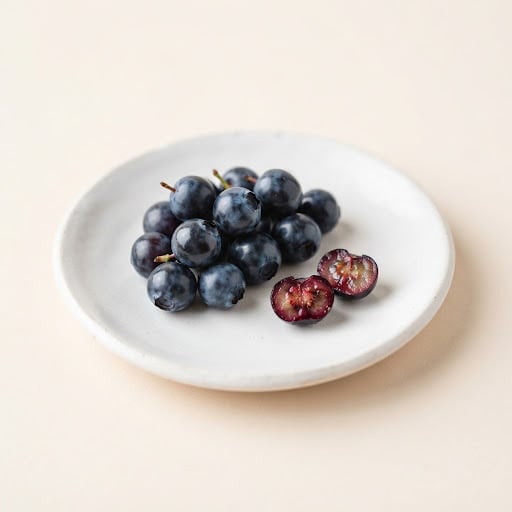
Babies can have huckleberries from about 6 months if they are mashed or cooked soft and blended, with flattened berries from about 7–8 months. Whole huckleberries are small, round and firm, so they are a choking hazard for babies and young toddlers. Huckleberries are tart, full of antioxidants and similar to blueberries.
How to serve huckleberries by age
Shapes and textures change as your baby’s grasp and chewing grow.

6 months
Mash fresh or thawed huckleberries thoroughly or blend them smooth, or cook them briefly into a soft compote and blend it. Stir it into oatmeal, plain yogurt or ricotta and offer it on a spoon.

7–8 months
Mash huckleberries more roughly into oatmeal or yogurt, or flatten each berry between your fingers and offer the flattened berries on the tray. Never offer whole berries.

9–12 months
Flatten each berry or cut it in half so your baby can practice picking them up with a pincer grasp. Mixing flattened berries into yogurt or pancakes also works well.

12 months +
Keep flattening or halving huckleberries for toddlers. Keep flattening or halving huckleberries until at least age 4, then offer whole berries with your child seated and supervised.
Why it’s good
Huckleberries provide vitamin C, fiber and colorful anthocyanin antioxidants. Their vitamin C helps the body absorb iron from plant foods. Huckleberries are naturally tart and sweet, so they flavor oatmeal and yogurt without added sugar.
Safety notes
- Whole huckleberries are small, round and firm and can block a child's airway. Flatten, halve or mash them for babies and young toddlers.
- Dried huckleberries are hard and chewy. Rehydrate them in hot water and chop or mash them, or skip them before age 2.
- Wild huckleberries look like several other berries, some of them toxic. Only pick wild berries if you are certain of what they are.
- Wash fresh berries well before serving. Thaw frozen berries and mash them, since frozen berries are hard.
- Huckleberry jams and syrups are usually high in added sugar. Keep them occasional and use fresh or frozen berries instead.
A low-allergy food, still worth watching
Huckleberries are not a common allergen, and reactions are rare. Watch for hives, swelling, vomiting or an itchy mouth the first few times, and remember that dark berry stains on skin and in diapers are normal.
Huckleberries for babies: questions parents ask
Quick answers about huckleberries for babies and toddlers.
When can babies have huckleberries?
Babies can have huckleberries from about 6 months, as soon as they start solids. Huckleberries should be mashed or cooked soft and blended at first, then flattened from about 7–8 months, since whole berries are a choking hazard.
Can babies have huckleberries?
Yes, babies can eat huckleberries when they are prepared safely. Huckleberries are packed with antioxidants and vitamin C and taste like a tangier blueberry.
Are huckleberries a choking hazard for babies?
Yes, whole huckleberries are a choking hazard because they are small, round and firm. Flatten, halve or mash huckleberries for babies and young toddlers.
Are huckleberries a common allergen?
No, huckleberries are not a common allergen and are not one of the Top 9 food allergens. Allergic reactions to huckleberries are rare.
How do I serve huckleberries to a 6 month old?
To serve huckleberries to a 6 month old, mash ripe or thawed berries well and stir them into oatmeal or plain yogurt, then offer it on a spoon. Flattened berries to pick up can follow at 7–8 months.
Are huckleberries the same as blueberries?
Huckleberries and blueberries are close relatives with a similar look and flavor. Huckleberries are usually smaller, more tart, and mostly wild-harvested, while blueberries are widely farmed.
Can babies have frozen huckleberries?
Babies can eat frozen huckleberries once they are thawed and mashed or flattened. Frozen huckleberries are too hard to serve straight from the freezer.
Can babies have dried huckleberries?
Dried huckleberries are chewy and hard and are not recommended for babies as finger food. Soak dried huckleberries in hot water and mash them into another food, or wait until after age 2.
Will huckleberries change my baby's poop?
Huckleberries can turn stools dark blue, purple or nearly black, and you may see bits of skin in the diaper. This is normal and harmless.
The takeaway
- Babies can have huckleberries from about 6 months if they are mashed or cooked soft and blended, with flattened berries from about 7–8 months.
- Mash fresh or thawed huckleberries thoroughly or blend them smooth, or cook them briefly into a soft compote and blend it.
- Choking risk is medium. Not a Top 9 allergen, but offer a small amount first and watch for any reaction.
Read next



Sources
This guide follows current advice from these organizations.
- Starting Solid Foods American Academy of Pediatrics (HealthyChildren.org)
- When, What, and How to Introduce Solid Foods Centers for Disease Control and Prevention
- Choking Hazards Centers for Disease Control and Prevention
- Choking Prevention American Academy of Pediatrics (HealthyChildren.org)
- Foods and Drinks to Avoid or Limit Centers for Disease Control and Prevention
- Dietary Guidelines for Americans, 2020-2025 U.S. Department of Agriculture and HHS
Track every new food in your baby’s passport
Track the first 100 foods and the Top 9 allergens. 7 days free.
More fruit for babies
Updated November 2026. Reviewed by our dietitians. Based on AAP, CDC and NIAID guidance. Written for healthy, full-term babies; not a substitute for your pediatrician. If your baby was born early, has a medical condition, feeding difficulties or a known allergy, check with them first (medical disclaimer). Always stay with your baby while they eat.