
Family foods Food Library
When can babies have fruit snacks?
Can babies have fruit snacks?
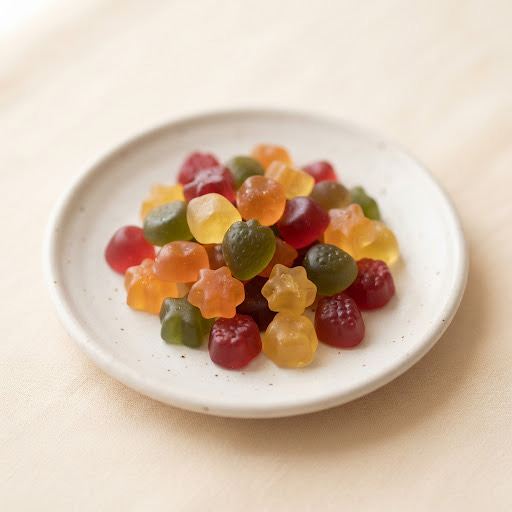
Gummy fruit snacks are best avoided until about 4 years. Fruit snacks are chewy, sticky gummies that can block a small airway, and gummy candies are on the standard list of choking hazards for children under 4. They are also mostly sugar, so real fruit is a much better snack at any age.
How to serve fruit snacks by age
Shapes and textures change as your baby’s grasp and chewing grow.

6 months
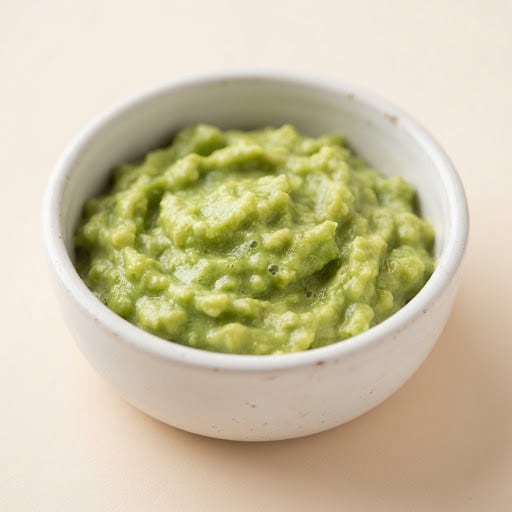
Do not offer gummy fruit snacks. Serve real fruit instead, as a smooth puree on a spoon, such as mashed ripe banana, pear or mango, or blended berries.

7–8 months
Do not offer gummy fruit snacks. Offer real fruit instead: lumpier fork-mashed berries or peach, or soft pieces your baby can hold, like a ripe banana spear or a soft mango strip.

9–12 months
Do not offer gummy fruit snacks. Offer small soft pieces of ripe fruit, such as quartered blueberries, diced ripe pear or peach, for pincer grasp practice.

12 months +
Keep gummy fruit snacks off the menu for toddlers and preschoolers under about 4. Freeze-dried fruit that melts quickly, soft fresh fruit pieces and unsweetened fruit puree pouches are easier, safer swaps.
Why it’s good
Fruit snacks are mostly sugar, corn syrup, starch or gelatin, with a little fruit juice concentrate. Added vitamins on the box do not make up for the sugar, and fruit snacks have almost no fiber. Whole fruit gives the fiber, vitamins and natural sweetness without the stickiness.
Safety notes
- Gummy fruit snacks are a high choking risk for babies and children under 4. They are firm, chewy and sticky, and can mold to the shape of the airway.
- Fruit snacks are high in added sugar and stick to teeth, which raises the risk of cavities. Brush teeth after any gummy treat for older kids.
- Fruit leather and fruit rolls are also sticky and chewy, and carry similar risks for young children.
- Gummy vitamins look and taste like fruit snacks. Store them out of reach, as too much iron or vitamin A can be dangerous.
- If an older child has a gummy, they should be seated, calm and supervised.
A low-allergy food, still worth watching
Most fruit snacks do not contain Top 9 allergens, but some include gelatin, artificial colors, or are made in facilities with peanuts, tree nuts, milk or soy. Read the label carefully if your child has allergies.
Fruit snacks for babies: questions parents ask
Quick answers about fruit snacks for babies and toddlers.
When can babies have fruit snacks?
Gummy fruit snacks are best avoided until about 4 years. Before then, fruit snacks are a high choking risk, and fresh soft fruit is a better choice for babies and toddlers.
Can babies have fruit snacks?
No, babies should not eat gummy fruit snacks. Fruit snacks are sticky and chewy, which makes them a choking hazard, and they are high in added sugar.
Are fruit snacks a choking hazard for babies?
Yes, fruit snacks are a high choking hazard for babies and young children. Gummy candies like fruit snacks are listed among the foods to avoid for children under 4 because they are hard to chew and can block the airway.
Are fruit snacks a common allergen?
Most fruit snacks are not made with common allergens, but some brands share facilities with peanuts, tree nuts, milk or soy. Check the label for allergy warnings.
How do I serve fruit snacks to a 6 month old?
Fruit snacks should not be served to a 6 month old. Offer real fruit instead, such as smooth mashed banana, pear puree or blended raspberries on a spoon. Soft fruit pieces like ripe banana spears can follow at 7–8 months.
Are fruit snacks healthy for toddlers?
Fruit snacks are not a healthy snack for toddlers, even when the box says they are made with real fruit. Fruit snacks are mostly sugar and give little fiber, so they do not count as a fruit serving.
What can I give my toddler instead of fruit snacks?
Instead of fruit snacks, give your toddler soft fresh fruit pieces, freeze-dried fruit that melts in the mouth, or plain yogurt mixed with mashed berries. These give natural sweetness with more nutrition.
Are fruit leathers safe for toddlers?
Fruit leathers and fruit rolls are sticky and chewy like fruit snacks, so they are best avoided for young toddlers. Fruit leathers can also cling to teeth and cause cavities.
Are gummy vitamins safe for toddlers?
Gummy vitamins carry the same choking concerns as fruit snacks for young children and can be dangerous in large amounts. Ask your pediatrician which vitamin form is right, and keep gummy vitamins locked away.
The takeaway
- Gummy fruit snacks are best avoided until about 4 years.
- Keep gummy fruit snacks off the menu for toddlers and preschoolers under about 4.
- Choking risk is high. Not a Top 9 allergen, but offer a small amount first and watch for any reaction.
Read next

Sources
This guide follows current advice from these organizations.
- Starting Solid Foods American Academy of Pediatrics (HealthyChildren.org)
- When, What, and How to Introduce Solid Foods Centers for Disease Control and Prevention
- Choking Hazards Centers for Disease Control and Prevention
- Choking Prevention American Academy of Pediatrics (HealthyChildren.org)
- Foods and Drinks to Avoid or Limit Centers for Disease Control and Prevention
- Dietary Guidelines for Americans, 2020-2025 U.S. Department of Agriculture and HHS
Track every new food in your baby’s passport
Track the first 100 foods and the Top 9 allergens. 7 days free.
More family foods for babies

Updated November 2026. Reviewed by our dietitians. Based on AAP, CDC and NIAID guidance. Written for healthy, full-term babies; not a substitute for your pediatrician. If your baby was born early, has a medical condition, feeding difficulties or a known allergy, check with them first (medical disclaimer). Always stay with your baby while they eat.