
Family foods Food Library
When can babies have french fries?
Can babies eat french fries?
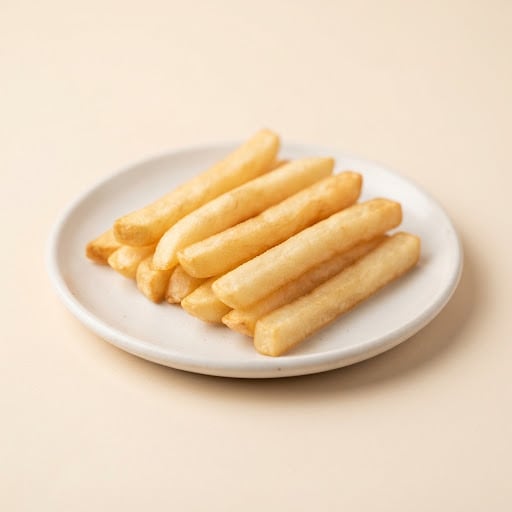
Babies can have homemade baked potato from about 6 months, mashed smooth, and soft homemade fries from about 7–8 months, baked or air-fried without added salt. Fast food fries are salty and often have crispy, hard ends, so save them for an occasional bite after 12 months. Thick-cut potato wedges that squash easily are the safest kind.
How to serve french fries by age
Shapes and textures change as your baby’s grasp and chewing grow.

6 months
French fries are not a first food in their usual form. Bake or air-fry thick slices of potato without salt until very soft inside, scoop out the soft potato, and mash it smooth with a little breast milk or formula to offer on a spoon.

7–8 months
Cut potatoes into thick wedges about the length and width of an adult finger, toss with a little oil, and bake until soft inside so they squash easily between your fingers. Skip the salt and trim off any hard, crispy tips before serving.

9–12 months
Cut soft baked fries into bite-size pieces about the size of a chickpea, or offer thinner soft wedges. Serve with a protein like ground meat or egg and a vegetable.

12 months +
Toddlers can have homemade fries as a side and an occasional restaurant fry. Choose soft fries over very crispy or thin shoestring styles, and skip extra salt.
Why it’s good
Potatoes give babies carbohydrates for energy plus potassium, vitamin C and vitamin B6, especially with the skin on. Homemade baked fries keep most of that nutrition without the extra salt and frying oil found in fast food fries.
Safety notes
- Thin, very crispy or overcooked fries can break into hard, sharp pieces. Serve thick, soft wedges to young babies.
- Fast food and frozen seasoned fries are high in salt. Bake your own and add herbs like paprika or garlic powder instead of salt.
- Cool fries well, as the inside can stay hot after the outside feels fine.
- Fries cooked in shared fryers at restaurants may come into contact with fish, shellfish, wheat or other allergens.
- Do not let fries replace vegetables. Potatoes count as a starch, so serve them with a green or orange vegetable.
A low-allergy food, still worth watching
Plain potato fries are not a common allergen. Restaurant fries may be coated in wheat batter or fried in oil shared with fish, shellfish or breaded foods, so ask if your child has a food allergy.
French fries for babies: questions parents ask
Quick answers about french fries for babies and toddlers.
When can babies have french fries?
Babies can have soft homemade french fries from about 7–8 months; at 6 months, mash the soft inside of baked potato wedges smooth instead. French fries for babies should be thick, baked or air-fried, and made without added salt.
Can babies eat french fries?
Yes, babies can eat french fries if they are soft, thick and unsalted. Homemade oven fries are a good finger food, while fast food fries are best saved as an occasional treat.
Are french fries a choking hazard for babies?
French fries are a medium choking risk for babies because thin or very crispy fries can break into hard, sharp pieces. Thick, soft potato wedges with crispy tips trimmed off are much safer.
Are french fries a common allergen?
Plain french fries made from potatoes are not a common allergen. Battered fries or fries cooked in shared restaurant fryers may contain wheat, fish or shellfish.
How do I serve french fries to a 6 month old?
French fries are not a first food for a 6 month old. Bake thick potato wedges without salt until very soft, scoop out the inside and mash it smooth with a little breast milk or formula, then offer it on a spoon. Soft, thick finger-length wedges that squash easily can follow at 7–8 months.
Can babies eat McDonald's fries?
Fast food fries like McDonald's are salty and often crisp at the ends, so they are best saved for toddlers after 12 months. Pick the softest fries, skip extra salt, and keep them as a rare treat.
Are frozen french fries OK for babies?
Plain frozen french fries are OK for babies if they are unsalted (no salt or seasoning on the label) and baked until soft. Check the label for seasonings and choose thick-cut fries over shoestring styles.
Are sweet potato fries better for babies?
Sweet potato fries give more vitamin A than regular french fries and are a great choice for babies. Bake sweet potato fries until soft, as they can scorch and harden at the edges.
Should I peel potatoes for baby fries?
You do not need to peel potatoes for baby fries if you scrub them well. The skin adds fiber, but peel it if it comes off in tough strips that are hard for your baby to chew.
The takeaway
- Babies can have homemade baked potato from about 6 months, mashed smooth, and soft homemade fries from about 7–8 months, baked or air-fried without added salt.
- French fries are not a first food in their usual form.
- Choking risk is medium. Not a Top 9 allergen, but offer a small amount first and watch for any reaction.
Read next



Sources
This guide follows current advice from these organizations.
- Starting Solid Foods American Academy of Pediatrics (HealthyChildren.org)
- When, What, and How to Introduce Solid Foods Centers for Disease Control and Prevention
- Choking Hazards Centers for Disease Control and Prevention
- Choking Prevention American Academy of Pediatrics (HealthyChildren.org)
- Foods and Drinks to Avoid or Limit Centers for Disease Control and Prevention
Track every new food in your baby’s passport
Track the first 100 foods and the Top 9 allergens. 7 days free.
More family foods for babies
Updated November 2026. Reviewed by our dietitians. Based on AAP, CDC and NIAID guidance. Written for healthy, full-term babies; not a substitute for your pediatrician. If your baby was born early, has a medical condition, feeding difficulties or a known allergy, check with them first (medical disclaimer). Always stay with your baby while they eat.