
Family foods Food Library
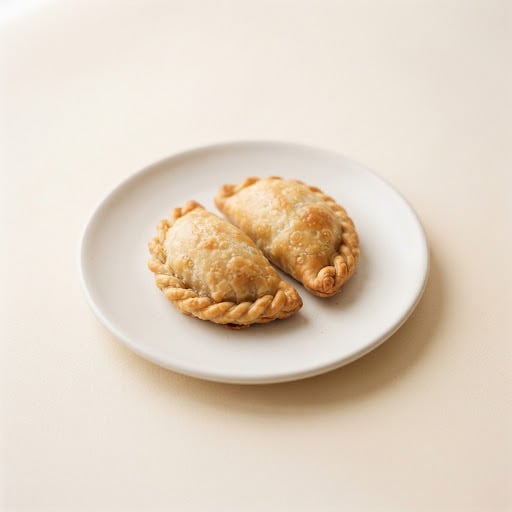
When can babies have empanadas?
Can babies have empanadas?
Babies can have empanadas from about 6 months when they are homemade or low in salt, with a soft filling and the crust served in a safe shape. Most empanada dough contains wheat, and many recipes use egg, dairy or butter, so check the allergens. Restaurant and store-bought empanadas are often very salty.
How to serve empanadas by age
Shapes and textures change as your baby’s grasp and chewing grow.

6 months
Open a baked homemade empanada, remove any olives, raisins or egg, and blend the cooked filling with a little unsalted broth, breast milk or formula until smooth. Offer it on a spoon and skip the crust for now.

7–8 months
Open a baked empanada and mash the soft filling with a fork into a lumpier texture, with a strip of the softer crust about the length of your finger for your baby to hold. Remove any olives, raisins or hard egg pieces from the filling.

9–12 months
Cut the empanada into small, bite-size pieces with filling and crust together. Check that the filling is moist and finely minced so baby can manage it with the pincer grasp.

12 months +
Toddlers can hold a small empanada or half of one and bite into it. Keep fillings mild and low in salt, and skip hot sauce until they are older.
Why it’s good
Empanadas give babies energy from the dough plus whatever the filling provides, such as iron, zinc and protein from beef, chicken or beans, and vitamins from vegetables. A filling of ground meat, black beans, squash or spinach makes an empanada a balanced meal.
Safety notes
- Fried and crisp pastry edges can be hard and flaky. Baked empanadas are softer; break off thick crimped edges for younger babies.
- Remove whole olives, raisins, chunks of hard-boiled egg and large pieces of meat from fillings, or chop them finely.
- Restaurant and frozen empanadas are often high in sodium. Make your own with unsalted filling, or limit store-bought ones to occasional tastes.
- Let empanadas cool. The filling stays very hot inside even when the crust feels warm.
- Cook meat fillings fully, to 160°F (71°C) for ground beef or pork and 165°F (74°C) for chicken.
Introduce empanada on its own, then keep it in
Empanadas usually contain wheat in the dough and may include egg in the dough or egg wash, dairy from butter or cheese, and sometimes fish or shellfish. Introduce each allergen alone first and only serve empanadas once your baby tolerates all the ingredients.
Empanadas for babies: questions parents ask
Quick answers about empanadas for babies and toddlers.
When can babies have empanadas?
Babies can have empanadas from about 6 months, once they are eating solids. Homemade empanadas with low-salt filling are the best way to start: blend the filling smooth at 6 months, then offer mashed filling and soft crust strips from about 7–8 months.
Can babies have empanadas?
Yes, babies can eat empanadas when the filling is soft and low in salt and the crust is served in a safe shape. Baked empanadas are better for babies than fried ones.
Are empanadas a choking hazard for babies?
Empanadas can be a choking hazard for babies because of flaky, crisp pastry edges and chunky fillings with olives, raisins or egg. Open the empanada, chop the filling finely, offer soft crust strips, and always stay with your baby.
Are empanadas a common allergen?
Empanadas usually contain common allergens, most often wheat in the dough and sometimes egg, dairy, fish or shellfish. Check the recipe or label and introduce each allergen separately before offering empanadas.
How do I serve empanadas to a 6 month old?
To serve empanadas to a 6 month old, open a baked homemade empanada, remove olives, raisins and egg, and blend the filling with a little unsalted broth, breast milk or formula until smooth. Offer it on a spoon. Mashed filling with a soft crust strip can follow at 7–8 months.
Can babies have store-bought or restaurant empanadas?
Babies can have store-bought or restaurant empanadas occasionally, but they are often high in sodium and may have hidden allergens. Homemade empanadas let you control the salt and filling.
What is the best empanada filling for babies?
The best empanada fillings for babies are soft, moist and low in salt, such as ground beef with sweet potato, black beans with squash, or shredded chicken with spinach. Iron-rich fillings make empanadas extra helpful for babies.
Are baked or fried empanadas better for babies?
Baked empanadas are better for babies because the crust is softer and contains less fat. Fried empanadas have a crisp, hard shell that is harder for new eaters to manage.
The takeaway
- Babies can have empanadas from about 6 months when they are homemade or low in salt, with a soft filling and the crust served in a safe shape.
- Open a baked homemade empanada, remove any olives, raisins or egg, and blend the cooked filling with a little unsalted broth, breast milk or formula until smooth.
- Choking risk is medium. Wheat is one of the Top 9 allergens: offer a small amount first, watch for a reaction, then keep it in the diet regularly.
Read next

Sources
This guide follows current advice from these organizations.
- Starting Solid Foods American Academy of Pediatrics (HealthyChildren.org)
- When, What, and How to Introduce Solid Foods Centers for Disease Control and Prevention
- Choking Hazards Centers for Disease Control and Prevention
- Choking Prevention American Academy of Pediatrics (HealthyChildren.org)
- Foods and Drinks to Avoid or Limit Centers for Disease Control and Prevention
- The Effects of Early Nutritional Interventions on the Development of Atopic Disease in Infants and Children Greer FR, Sicherer SH, Burks AW; American Academy of Pediatrics. Pediatrics. 2019;143(4):e20190281
Track every new food in your baby’s passport
Track the first 100 foods and the Top 9 allergens. 7 days free.
More family foods for babies
Updated November 2026. Reviewed by our dietitians. Based on AAP, CDC and NIAID guidance. Written for healthy, full-term babies; not a substitute for your pediatrician. If your baby was born early, has a medical condition, feeding difficulties or a known allergy, check with them first (medical disclaimer). Always stay with your baby while they eat.