
Dairy Food Library
When can babies have cow's milk?
Can babies have cow's milk?
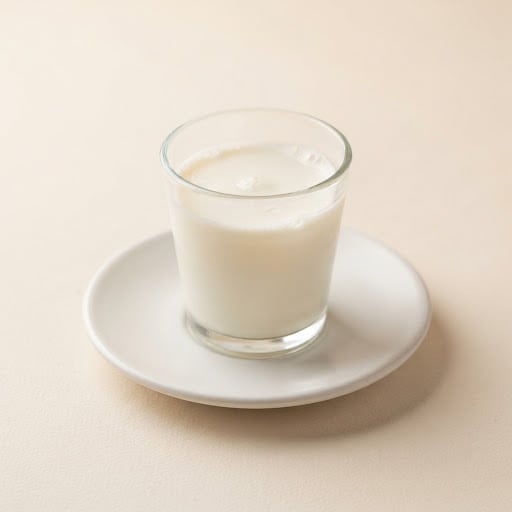
Babies can drink whole cow's milk from 12 months. Before that, cow's milk should not replace breast milk or formula as a drink, but small amounts cooked into food, plus yogurt and cheese, are fine from about 6 months. Cow's milk is a Top 9 allergen, so introducing dairy early through food is a good idea.
How to serve cow's milk by age
Shapes and textures change as your baby’s grasp and chewing grow.

6 months
Do not offer cow's milk as a drink yet; breast milk or formula stays the main drink. Use a splash of whole cow's milk to thin smooth oatmeal or mashed potato, and offer plain whole-milk yogurt on a spoon as an easy way to introduce dairy.

7–8 months
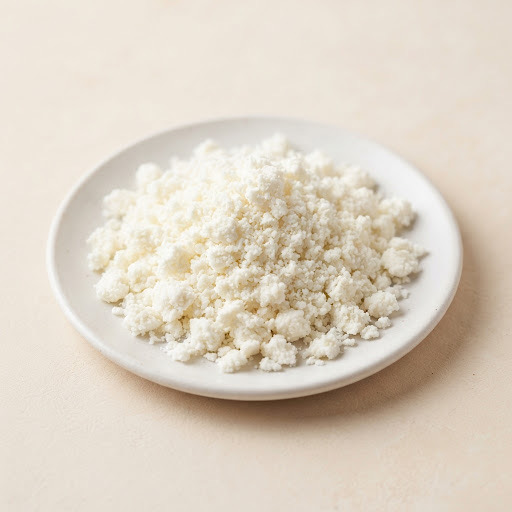
Keep cow's milk as a cooking ingredient only, using a splash of whole cow's milk in thicker porridge, lumpier mashes or soft scrambled egg. Plain whole-milk yogurt and soft cheeses like ricotta are also good ways to keep dairy in the diet.

9–12 months
Keep using whole cow's milk in cooking, such as in porridge, pancakes or soft polenta, while breast milk or formula stays the main drink. Save cow's milk as a drink for 12 months, and practice open-cup sips with water at meals instead.

12 months +
Offer whole (full-fat) pasteurized cow's milk in an open or straw cup with meals and snacks, about 16 to 24 ounces a day. Avoid bottles of milk at bedtime and do not let milk crowd out solid foods, especially iron-rich ones.
Why it’s good
Cow's milk gives toddlers calcium, protein, fat for brain growth, vitamin A, B12, riboflavin and, when fortified, vitamin D. Whole milk is recommended from 12–24 months because the fat supports rapid growth. Cow's milk is very low in iron, so it works best alongside iron-rich foods rather than replacing them.
Safety notes
- Do not give cow's milk as a main drink before 12 months. It does not have the right balance of nutrients for babies, is low in iron, and can strain young kidneys.
- Too much milk after 12 months, more than about 24 ounces a day, can fill toddlers up, lower iron intake and cause iron-deficiency anemia and constipation.
- Only use pasteurized milk. Raw (unpasteurized) milk can carry E. coli, Salmonella, Listeria and other bacteria that are especially dangerous for young children.
- Choose whole milk from 12–24 months unless your pediatrician suggests lower-fat milk, for example due to family history or growth concerns.
- Plant milks like oat, almond or rice milk are not equal swaps for cow's milk. If your child cannot have dairy, ask your pediatrician about fortified soy milk or pea milk.
Introduce cow's milk on its own, then keep it in
Cow's milk is one of the Top 9 allergens and the most common food allergy in babies, so introduce dairy early in a small amount, such as yogurt, and watch for hives, vomiting, swelling, coughing or wheezing. Some babies have a delayed reaction (FPIES) with repeated vomiting a few hours later, or blood in the stool; call your pediatrician if you notice these.
Cow's milk for babies: questions parents ask
Quick answers about cow's milk for babies and toddlers.
When can babies have cow's milk?
Babies can have cow's milk as a drink from 12 months. Before 12 months, cow's milk can be used in small amounts in cooking, and yogurt and cheese can be offered from about 6 months, but breast milk or formula stays the main drink.
Can babies drink cow's milk before 12 months?
Babies should not drink cow's milk as a replacement for breast milk or formula before 12 months. Cow's milk is low in iron and has too much protein and minerals for young kidneys, and it can raise the risk of iron-deficiency anemia. Small amounts mixed into food are fine.
Is cow's milk a choking hazard for babies?
Cow's milk is not a common choking hazard, but any liquid can make a baby cough or sputter while learning to drink. Offer cow's milk in small sips from an open or straw cup while your child sits upright, and always stay close.
Is cow's milk a common allergen?
Yes, cow's milk is a common allergen and one of the Top 9 food allergens. Introduce dairy early through foods like yogurt or cheese and keep it in the diet regularly once tolerated. Many children outgrow a milk allergy, but this should be managed with your pediatrician or allergist.
How do I serve cow's milk to a 6 month old?
To serve cow's milk to a 6 month old, use a small amount of whole cow's milk in cooking, such as stirring it into oatmeal or mashed vegetables, rather than giving it as a drink. Plain whole-milk yogurt on a spoon is another simple way to introduce dairy at 6 months.
How much cow's milk should a 1 year old drink?
A 1 year old needs about 16 to 24 ounces of whole cow's milk a day, which is 2 to 3 cups. More than 24 ounces of cow's milk a day can reduce appetite for solid food and lead to low iron and constipation.
Should toddlers drink whole milk or low-fat milk?
Toddlers from 12–24 months should usually drink whole cow's milk, because the fat supports growth and brain development. After age 2, many children can switch to low-fat or fat-free milk. Ask your pediatrician if your child has growth or weight concerns.
How do I switch my baby from formula to cow's milk?
Switching from formula to cow's milk can start around 12 months. Many families offer whole milk in a cup with meals and replace one formula feed at a time over one to two weeks. Breastfeeding can continue alongside cow's milk for as long as you like.
What is the difference between a cow's milk allergy and lactose intolerance?
A cow's milk allergy is an immune reaction to milk protein and can cause hives, vomiting, swelling or breathing problems. Lactose intolerance is trouble digesting milk sugar, causes gas, bloating and loose stools, and is uncommon in babies. If you suspect either, talk to your pediatrician before cutting out dairy.
Can cow's milk cause constipation in toddlers?
Cow's milk can contribute to constipation in toddlers, especially when they drink more than 24 ounces a day and eat less fiber. Keeping cow's milk within the daily range and offering fruit, vegetables, whole grains and water usually helps.
The takeaway
- Babies can drink whole cow's milk from 12 months.
- Offer whole (full-fat) pasteurized cow's milk in an open or straw cup with meals and snacks, about 16 to 24 ounces a day.
- Choking risk is low. Dairy is one of the Top 9 allergens: offer a small amount first, watch for a reaction, then keep it in the diet regularly.
Read next



Sources
This guide follows current advice from these organizations.
- Starting Solid Foods American Academy of Pediatrics (HealthyChildren.org)
- When, What, and How to Introduce Solid Foods Centers for Disease Control and Prevention
- Choking Hazards Centers for Disease Control and Prevention
- Recommended Drinks for Young Children Ages 0-5 American Academy of Pediatrics (HealthyChildren.org)
- Foods and Drinks to Avoid or Limit Centers for Disease Control and Prevention
- Preventing Listeria Infection Centers for Disease Control and Prevention
- The Effects of Early Nutritional Interventions on the Development of Atopic Disease in Infants and Children Greer FR, Sicherer SH, Burks AW; American Academy of Pediatrics. Pediatrics. 2019;143(4):e20190281
Track every new food in your baby’s passport
Track the first 100 foods and the Top 9 allergens. 7 days free.
Recipes with cow's milk


More dairy foods for babies
Updated November 2026. Reviewed by our dietitians. Based on AAP, CDC and NIAID guidance. Written for healthy, full-term babies; not a substitute for your pediatrician. If your baby was born early, has a medical condition, feeding difficulties or a known allergy, check with them first (medical disclaimer). Always stay with your baby while they eat.