
Dairy Food Library
When can babies have coconut yogurt?
Can babies have coconut yogurt?
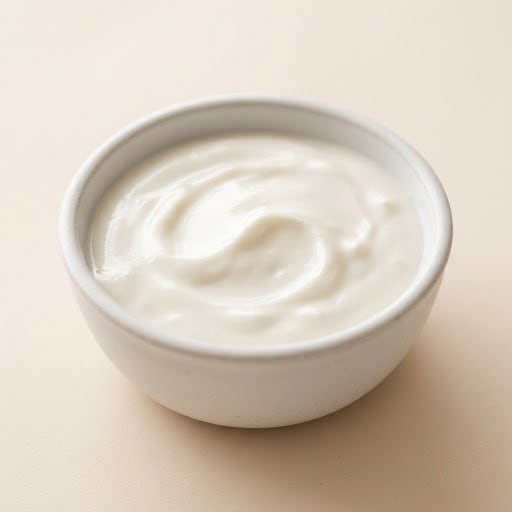
Babies can have plain, unsweetened coconut yogurt from about 6 months. Coconut yogurt is dairy-free and not a common allergen, but it is much lower in protein and calcium than milk-based yogurt, so it works best as one food among many. Pick brands with no added sugar.
How to serve coconut yogurt by age
Shapes and textures change as your baby’s grasp and chewing grow.

6 months
Offer plain unsweetened coconut yogurt on a spoon or a preloaded spoon. You can thicken it with infant cereal or smooth mashed fruit so it clings to the spoon.

7–8 months
Thicken coconut yogurt with oatmeal or roughly mashed fruit for more texture, and let your baby scoop it with hands. It also works as a dip for soft pieces like a ripe banana piece or a soft pancake strip.

9–12 months
Serve coconut yogurt as a dip for soft strips of toast, pancake fingers or ripe fruit. Stir in mashed berries, a little nut butter or ground seeds for extra nutrients.

12 months +
Toddlers can eat coconut yogurt with a spoon, in parfaits with soft fruit, or blended into smoothies. Keep it plain and sweeten with fruit instead of honey or syrup.
Why it’s good
Coconut yogurt gives babies fat for energy and, in many brands, live cultures. Most coconut yogurts are low in protein and naturally low in calcium, though some are fortified with calcium and vitamin D. If you use it in place of dairy, pair it with other protein and calcium sources.
Safety notes
- Choose plain, unsweetened coconut yogurt. Flavored versions often contain a lot of added sugar.
- Check the label for other allergens. Some coconut yogurts contain added nut, soy or pea protein, or are made on shared equipment.
- If coconut yogurt replaces dairy because of a cow's milk allergy, ask your pediatrician or dietitian about protein, calcium and vitamin D.
- Store coconut yogurt in the fridge and use it by the date on the pack. Throw it out if it smells off or looks moldy.
- Do not add honey to coconut yogurt before 12 months.
A low-allergy food, still worth watching
Coconut yogurt is not a Top 9 allergen and is free of cow's milk. Coconut allergy is uncommon but possible, so watch for hives, swelling or vomiting the first few times, and read the label for added nuts or soy.
Coconut yogurt for babies: questions parents ask
Quick answers about coconut yogurt for babies and toddlers.
When can babies have coconut yogurt?
Babies can have plain, unsweetened coconut yogurt from about 6 months, when they start solids. Coconut yogurt can be offered on a spoon at first, and as a dip for soft foods from 7–8 months.
Can babies have coconut yogurt?
Yes, babies can eat coconut yogurt as part of a varied diet. Coconut yogurt is lower in protein and calcium than dairy yogurt, so it should not be relied on as the only yogurt unless your baby has a dairy allergy and you have a plan with your pediatrician.
Is coconut yogurt a choking hazard for babies?
Coconut yogurt is not a choking hazard when served plain and smooth. Watch out for add-ins like granola, whole nuts or large fruit chunks, which should be prepared for your baby's age.
Is coconut yogurt a common allergen?
No, coconut yogurt is not a common allergen, and it contains no cow's milk. Some brands add nut or soy ingredients, so check the label before serving.
How do I serve coconut yogurt to a 6 month old?
To serve coconut yogurt to a 6 month old, preload a baby spoon with plain unsweetened coconut yogurt and hand it to your baby or feed it to them. Stirring in a little infant cereal or mashed banana makes it thicker and easier to manage.
Is coconut yogurt as healthy as regular yogurt for babies?
Coconut yogurt is not as nutritious as plain whole milk yogurt for most babies, because it usually has much less protein and calcium. Coconut yogurt is a good option for dairy-free babies, ideally a brand fortified with calcium and vitamin D.
Is coconut yogurt good for babies with a dairy allergy?
Coconut yogurt can be a helpful dairy-free swap for babies with a cow's milk allergy. Because it is low in protein, talk with your pediatrician or a dietitian about other sources of protein and calcium.
What should I look for in a store-bought coconut yogurt for my baby?
Look for a coconut yogurt that is plain, unsweetened, contains live cultures and ideally is fortified with calcium and vitamin D. Skip flavored cups, which often have several teaspoons of added sugar.
The takeaway
- Babies can have plain, unsweetened coconut yogurt from about 6 months.
- Offer plain unsweetened coconut yogurt on a spoon or a preloaded spoon.
- Choking risk is low. Not a Top 9 allergen, but offer a small amount first and watch for any reaction.
Read next



Sources
This guide follows current advice from these organizations.
- Starting Solid Foods American Academy of Pediatrics (HealthyChildren.org)
- When, What, and How to Introduce Solid Foods Centers for Disease Control and Prevention
- Choking Hazards Centers for Disease Control and Prevention
- Foods and Drinks to Avoid or Limit Centers for Disease Control and Prevention
- Dietary Guidelines for Americans, 2020-2025 U.S. Department of Agriculture and HHS
Track every new food in your baby’s passport
Track the first 100 foods and the Top 9 allergens. 7 days free.
More dairy foods for babies
Updated November 2026. Reviewed by our dietitians. Based on AAP, CDC and NIAID guidance. Written for healthy, full-term babies; not a substitute for your pediatrician. If your baby was born early, has a medical condition, feeding difficulties or a known allergy, check with them first (medical disclaimer). Always stay with your baby while they eat.