
Fruit Food Library
When can babies have cherimoya?
Can babies have cherimoya?
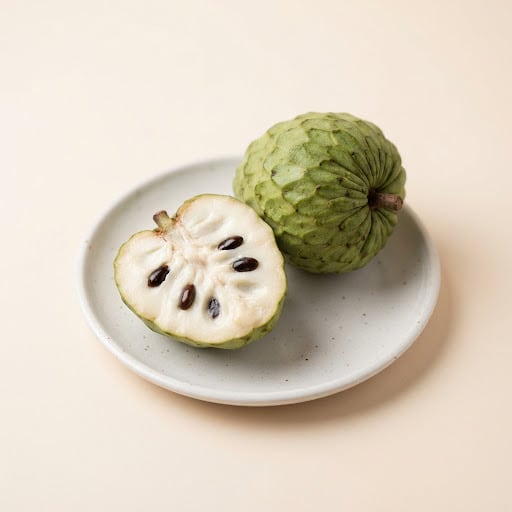
Babies can have cherimoya from about 6 months as long as every seed and the skin are removed. The ripe flesh is creamy and soft, but cherimoya seeds and skin are toxic and the seeds are a serious choking hazard. Offer only the scooped, seed-free flesh.
How to serve cherimoya by age
Shapes and textures change as your baby’s grasp and chewing grow.

6 months
Choose a very ripe cherimoya that gives slightly when pressed, cut it open, scoop out the flesh and pick out every black seed. Mash the flesh until smooth and offer it on a spoon or pre-loaded spoon, on its own or stirred into plain yogurt or oatmeal.

7–8 months
Mash seed-free cherimoya more roughly so it keeps soft lumps, or stir it into thicker oatmeal or yogurt. Very ripe flesh is soft enough to squash between your fingers, but check every spoonful again for seeds before it reaches your baby.

9–12 months
Offer small, soft, seed-free pieces about the size of a chickpea for your baby to pick up, or keep serving it mashed. Check each piece carefully for seeds.

12 months +
Toddlers can have spoonfuls of seed-free cherimoya, cherimoya mixed into smoothies or yogurt, or soft chunks. Remove the seeds yourself until your child is old enough to spit them out reliably, usually around age 3 or later.
Why it’s good
Cherimoya gives babies vitamin C, vitamin B6, potassium, fiber and natural carbohydrates for energy. Its vitamin C helps the body absorb iron from foods eaten at the same meal. The custard-like texture makes it an easy fruit for new eaters.
Safety notes
- Remove every seed. Cherimoya seeds are hard and slippery, which makes them a high choking risk, and they contain natural toxins that should never be eaten.
- Do not serve the skin. Cherimoya skin is tough and also contains natural toxins.
- Serve only ripe cherimoya. Unripe fruit is hard and less digestible, while ripe flesh squashes easily between your fingers.
- Wash the outside before cutting to keep dirt off the flesh, and store cut cherimoya in the fridge for no more than a day or two.
- Cherimoya is sweet and high in natural sugar, so offer it alongside other foods rather than as a whole meal.
A low-allergy food, still worth watching
Cherimoya is not a common allergen, but it is related to custard apple and soursop, and reactions have rarely been reported in people with latex allergy. Start small and watch for itching around the mouth, hives, vomiting or swelling.
Cherimoya for babies: questions parents ask
Quick answers about cherimoya for babies and toddlers.
When can babies have cherimoya?
Babies can have cherimoya from about 6 months, when they are ready for solid foods. Cherimoya must be ripe, with every seed and the skin removed.
Can babies have cherimoya?
Yes, babies can eat the ripe, seed-free flesh of cherimoya. The creamy texture is easy to mash or spoon-feed, but cherimoya seeds and skin are not safe to eat.
Is cherimoya a choking hazard for babies?
The ripe flesh of cherimoya is low risk, but cherimoya seeds are a serious choking hazard. Pick out every seed before serving and check each piece again before it goes on the tray.
Is cherimoya a common allergen?
No, cherimoya is not a common allergen. Rare reactions have been reported, sometimes linked to latex allergy, so introduce cherimoya in a small amount at first.
How do I serve cherimoya to a 6 month old?
To serve cherimoya to a 6 month old, scoop the flesh from a ripe fruit, remove every seed and mash it smooth. Offer the cherimoya on a preloaded spoon or mixed into plain yogurt or oatmeal.
Are cherimoya seeds poisonous?
Yes, cherimoya seeds contain natural toxins and should never be eaten, chewed or crushed. Cherimoya seeds are also hard and slippery, so remove all of them before giving the fruit to a baby.
How do I know when a cherimoya is ripe?
A ripe cherimoya gives slightly when pressed, like a ripe avocado, and the green skin may darken a little. Leave a firm cherimoya on the counter for a few days, then refrigerate it once it softens.
Can cherimoya help with constipation in babies?
Cherimoya contains fiber and water, which can help keep a baby's stools soft. Serve cherimoya with other fruits, vegetables and water as part of a balanced diet.
The takeaway
- Babies can have cherimoya from about 6 months as long as every seed and the skin are removed.
- Choose a very ripe cherimoya that gives slightly when pressed, cut it open, scoop out the flesh and pick out every black seed.
- Choking risk is medium. Not a Top 9 allergen, but offer a small amount first and watch for any reaction.
Read next



Sources
This guide follows current advice from these organizations.
- Starting Solid Foods American Academy of Pediatrics (HealthyChildren.org)
- When, What, and How to Introduce Solid Foods Centers for Disease Control and Prevention
- Choking Hazards Centers for Disease Control and Prevention
- Choking Prevention American Academy of Pediatrics (HealthyChildren.org)
Track every new food in your baby’s passport
Track the first 100 foods and the Top 9 allergens. 7 days free.
More fruit for babies
Updated November 2026. Reviewed by our dietitians. Based on AAP, CDC and NIAID guidance. Written for healthy, full-term babies; not a substitute for your pediatrician. If your baby was born early, has a medical condition, feeding difficulties or a known allergy, check with them first (medical disclaimer). Always stay with your baby while they eat.