
Family foods Food Library
When can babies have animal crackers?
Can babies have animal crackers?
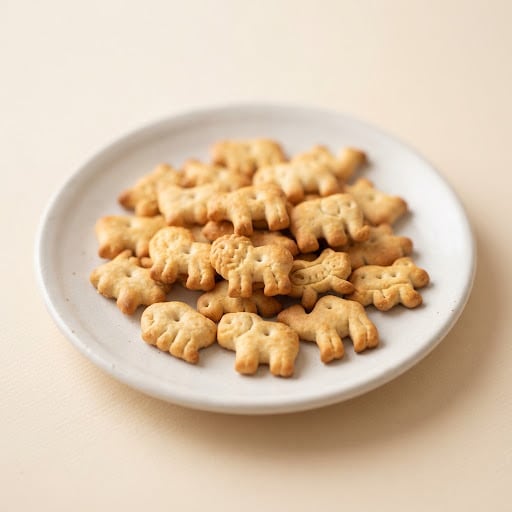
Babies can have animal crackers from about 12 months as an occasional snack, not an everyday food. Animal crackers are hard, dry and often sweetened, so they can break into sharp pieces and they add sugar a baby does not need. Most animal crackers are made with wheat flour, a common allergen.
How to serve animal crackers by age
Shapes and textures change as your baby’s grasp and chewing grow.

6 months
Animal crackers are best skipped at this age. Keep to smooth purees and iron-fortified cereal on a spoon, or, if you want to share the flavor, crush one animal cracker into a fine powder and stir it into plain yogurt.

7–8 months
Animal crackers are still best skipped. For new textures, offer lumpier mashes or soft foods that squash easily, such as a soft toast strip, ripe pear or a tender pancake piece, instead of hard crackers.

9–12 months
Still best to wait. Babies this age are learning to bite and chew, and hard crackers can snap into firm shards. Offer soft finger foods like toast strips, ripe pear or pancake pieces instead.

12 months +
Offer 2 or 3 animal crackers at a time with the toddler sitting down, alongside a filling food like cheese, fruit or yogurt. Pick brands with less added sugar and look for crackers that soften quickly when wet.
Why it’s good
Animal crackers mostly give carbohydrates for quick energy, and some brands are made with enriched flour that adds a little iron and B vitamins. They are low in protein, fiber and healthy fats and usually contain added sugar. Think of them as a treat or a fun shape, not a nutritious snack.
Safety notes
- Animal crackers are dry and hard and can break into sharp, firm pieces. Wait until about 12 months and make sure your child is sitting upright and supervised.
- Do not let toddlers eat crackers while walking, running, riding in the car or lying down.
- Offer water with crackers. Dry crumbs can clump in the mouth and are easier to manage with a sip in between.
- Most animal crackers contain added sugar. Keep them occasional and avoid using them as a reward or pacifier.
- Check labels for wheat, milk, soy and egg, which some brands contain.
Introduce animal crackers on its own, then keep it in
Animal crackers are usually made with wheat flour, one of the Top 9 allergens, and some also contain milk, soy or egg. Introduce wheat first through simpler foods like toast or pasta, and watch for hives, vomiting or swelling.
Animal crackers for babies: questions parents ask
Quick answers about animal crackers for babies and toddlers.
When can babies have animal crackers?
Babies can have animal crackers from about 12 months as an occasional snack. Before then, hard crackers can break into sharp pieces that are tricky for new eaters, and softer finger foods are a better fit.
Can babies have animal crackers?
Toddlers from about 12 months can eat animal crackers in small amounts with supervision. Younger babies are better off with soft foods or crackers made to dissolve quickly, such as thin puffed rice cakes.
Are animal crackers a choking hazard for babies?
Animal crackers are a medium choking risk for babies because they are hard and dry and can snap into firm, pointed pieces. Serve them only once your child is about 12 months, sitting down, and with an adult watching.
Are animal crackers a common allergen?
Animal crackers usually contain wheat, which is one of the Top 9 common allergens. Some brands also include milk, soy or egg, so read the ingredient list and allergy statement before serving.
How do I serve animal crackers to a 6 month old?
Animal crackers are not recommended for a 6 month old. If you want to share the flavor, crush one cracker into a fine powder and stir it into plain yogurt or oatmeal on a spoon. Soft foods like toast strips can come at 7–8 months, and animal crackers themselves are best saved for about 12 months.
Are animal crackers healthy for toddlers?
Animal crackers are not a very nutritious snack for toddlers because they are mostly refined flour and added sugar. A few now and then is fine, but fruit, cheese, yogurt and whole grain toast give much more nutrition.
How many animal crackers can a toddler have?
A toddler can have a small handful of animal crackers, about 5 to 8 pieces, as an occasional snack. Pair animal crackers with a protein or fruit so the snack is more filling and balanced.
Do animal crackers dissolve in the mouth?
Most animal crackers do not dissolve as quickly as baby puffs or teething wafers. Animal crackers soften with saliva over time but start out hard, which is why they are better saved for toddlers with stronger chewing skills.
What can I give instead of animal crackers?
Good swaps for animal crackers include thin puffed rice cakes, soft whole grain toast fingers, banana spears, or homemade oat bars. These give babies texture practice with less sugar and less risk of sharp pieces.
The takeaway
- Babies can have animal crackers from about 12 months as an occasional snack, not an everyday food.
- Offer 2 or 3 animal crackers at a time with the toddler sitting down, alongside a filling food like cheese, fruit or yogurt.
- Choking risk is medium. Wheat is one of the Top 9 allergens: offer a small amount first, watch for a reaction, then keep it in the diet regularly.
Read next

Sources
This guide follows current advice from these organizations.
- Starting Solid Foods American Academy of Pediatrics (HealthyChildren.org)
- When, What, and How to Introduce Solid Foods Centers for Disease Control and Prevention
- Choking Hazards Centers for Disease Control and Prevention
- Choking Prevention American Academy of Pediatrics (HealthyChildren.org)
- Foods and Drinks to Avoid or Limit Centers for Disease Control and Prevention
- Dietary Guidelines for Americans, 2020-2025 U.S. Department of Agriculture and HHS
- The Effects of Early Nutritional Interventions on the Development of Atopic Disease in Infants and Children Greer FR, Sicherer SH, Burks AW; American Academy of Pediatrics. Pediatrics. 2019;143(4):e20190281
Track every new food in your baby’s passport
Track the first 100 foods and the Top 9 allergens. 7 days free.
More family foods for babies
Updated November 2026. Reviewed by our dietitians. Based on AAP, CDC and NIAID guidance. Written for healthy, full-term babies; not a substitute for your pediatrician. If your baby was born early, has a medical condition, feeding difficulties or a known allergy, check with them first (medical disclaimer). Always stay with your baby while they eat.