Homemade Baby Oatmeal Cereal
How to make homemade baby oatmeal cereal from rolled oats in 10 minutes. One ingredient, no additives, with tips on iron and texture from 6 months.
Passport6 mo+recipe
Ingredients
Makes about ¾ cup dry cereal (about 6 baby servings)
Method
- 1
Blend the oats in a blender or food processor for 30–60 seconds until they form a fine powder. Store in an airtight jar.
- 2
To cook one serving, whisk 2 tbsp oat powder into ½ cup cold water in a small pan.
- 3
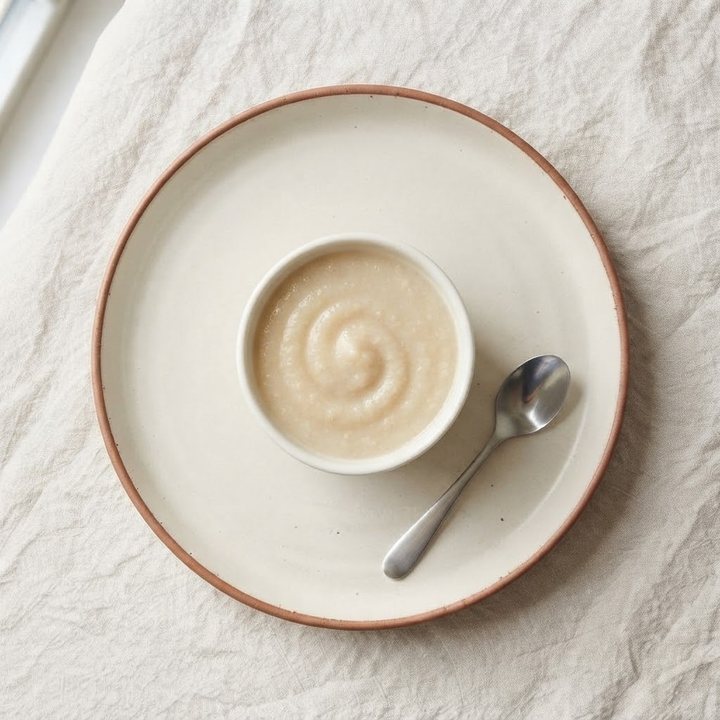
Bring to a simmer, whisking constantly, and cook for 3–4 minutes until thick and smooth.
- 4
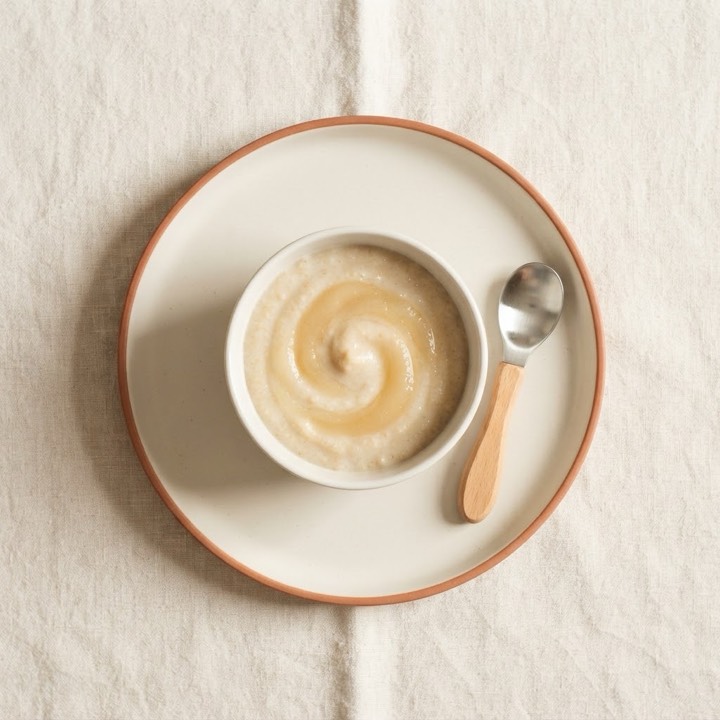
Thin with breast milk or formula to the texture your baby manages, then stir in fruit if using. Cool until just warm.
Find it in these collections
Reviewed by our dietitians
Textures, serving sizes, allergens and choking safety follow AAP, CDC, NIAID & NHS guidance for babies and toddlers.
Serve it by age
6 months
Thin and smooth on a preloaded spoon. Stir in a little thinned peanut butter or finely mashed hard-boiled egg (white and yolk) for allergen exposure once introduced.
7–8 months
Make it thicker so it clings to the spoon for self-feeding.
9–12 months
Move on to regular quick oats for more texture.
12 months+
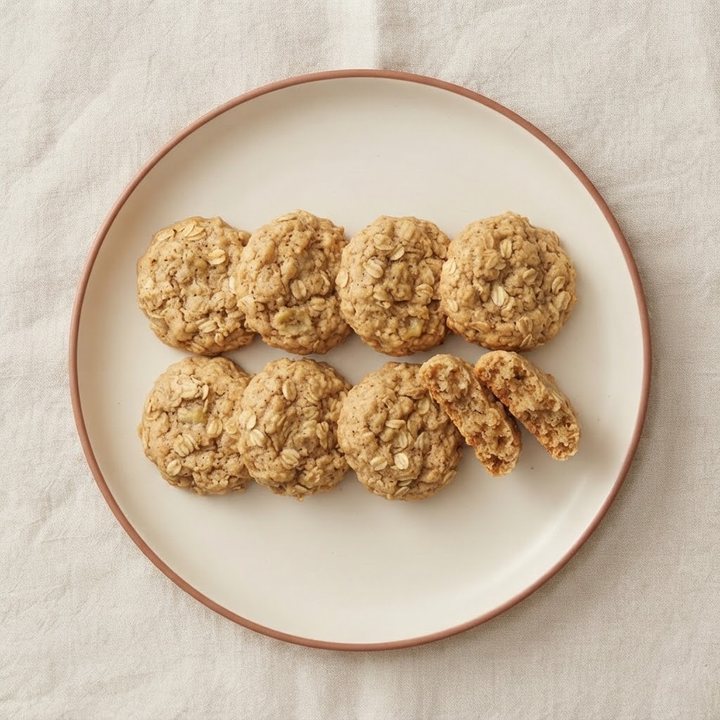
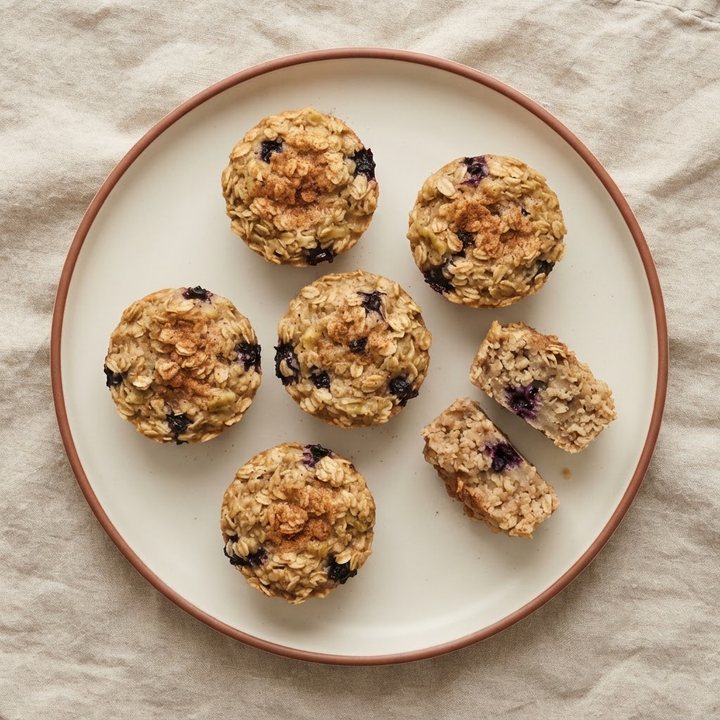
Use the oat powder in pancakes, muffins and smoothies.
Allergens
Free from the top allergens. Oats may contain traces of wheat; choose certified gluten-free oats if needed. Homemade cereal is not iron-fortified like store-bought baby cereal, so offer iron-rich foods such as meat, lentils or egg alongside. Optional ingredients, swaps or serving ideas can add peanut and egg; offer each only after it has been introduced on its own.
Swaps
- The same method works with quinoa flakes, millet or barley flakes.
Storage
Dry powder keeps 3 months in an airtight jar. Cooked cereal: fridge 2 days, or freeze in cubes for 1 month.
Safety reminders
- No added salt or honey before 12 months, and no added sugar before age 2.
- Check that food squashes easily between your thumb and finger.
- Supervise closely and keep your baby upright while eating.
- This recipe is general guidance for healthy, full-term babies and children. Ask your pediatrician first if your child was born early, has a medical condition, allergies or feeding difficulties (medical disclaimer).