
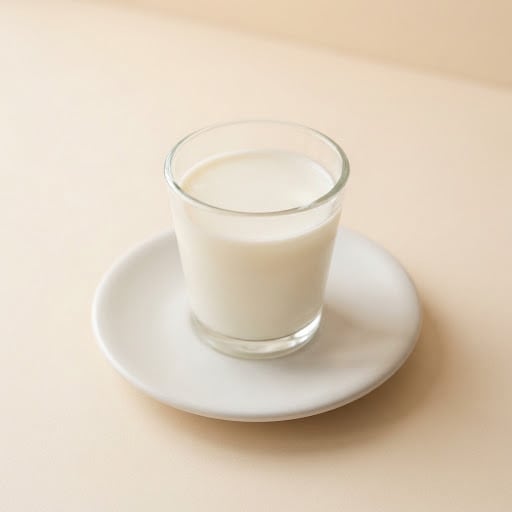
Dairy Food Library
When can babies have goat milk?
Can babies have goat milk?
Babies should not drink goat milk before 12 months, but pasteurized goat milk can be used in cooking from about 6 months. Goat milk is not a substitute for breast milk or infant formula, and it is a dairy allergen just like cow's milk. After the first birthday, plain whole pasteurized goat milk can be one of several milk options.
How to serve goat milk by age
Shapes and textures change as your baby’s grasp and chewing grow.

6 months
Do not offer goat milk as a drink or in place of breast milk or formula. You can use a splash of pasteurized goat milk in cooking, such as in iron-fortified cereal or a smooth mashed potato or vegetable puree.

7–8 months
Still do not offer goat milk as a drink; breast milk or formula stays your baby's main drink. A splash of pasteurized goat milk is fine in cooking, such as in thicker oatmeal, lumpy mashed potatoes or soft scrambled eggs.

9–12 months
Keep goat milk as a cooking ingredient only, for example in pancakes, sauces or baked goods. Breast milk or infant formula is still your baby's main drink.

12 months +
From 12 months, you can offer plain whole pasteurized goat milk in an open cup with meals, with the same daily limits as cow's milk (about 16 to 24 ounces). Choose a brand fortified with vitamin D and folic acid if goat milk is your child's main milk.
Why it’s good
Goat milk provides protein, fat, calcium, phosphorus and vitamin A. Plain goat milk is naturally low in folate, vitamin B12 and iron, which is one reason it is not suitable as a main drink for babies. Too much milk of any kind can crowd out iron-rich foods in toddlers.
Safety notes
- Never use goat milk, or homemade goat milk formula, in place of breast milk or infant formula. Babies fed unmodified goat milk can develop anemia, dehydration and serious electrolyte problems.
- Only use pasteurized goat milk. Raw goat milk can carry Brucella, E. coli, Listeria and other dangerous bacteria.
- After 12 months, limit milk to about 16 to 24 ounces a day so it does not replace iron-rich foods.
- Goat milk is not safe for babies with a cow's milk allergy, because the proteins are very similar and most react to both.
- Commercial goat milk-based infant formulas that meet FDA standards are different from goat milk; talk to your pediatrician before switching formula.
Introduce goat milk on its own, then keep it in
Goat milk is a dairy allergen, and most children allergic to cow's milk react to goat milk too. Offer it in a small amount the first time and watch for hives, vomiting, swelling, coughing or wheezing.
Goat milk for babies: questions parents ask
Quick answers about goat milk for babies and toddlers.
When can babies have goat milk?
Babies can drink goat milk from 12 months, the same age as cow's milk. Before 12 months, pasteurized goat milk is fine as an ingredient in cooked foods like oatmeal or eggs.
Can babies drink goat milk?
No, babies under 12 months should not drink goat milk as a beverage or as a replacement for breast milk or formula. After the first birthday, whole pasteurized goat milk can be offered in an open cup.
Is goat milk a choking hazard for babies?
No, goat milk is not a choking hazard for babies. Like any liquid, offer goat milk in small sips from an open cup once your child is 12 months old.
Is goat milk a common allergen?
Yes, goat milk is a common allergen because it is a dairy milk. Goat milk proteins are very similar to cow's milk proteins, so it is not a safe swap for children with a milk allergy.
How do I serve goat milk to a 6 month old?
To serve goat milk to a 6 month old, use a small amount of pasteurized goat milk in cooking, such as mixed into iron-fortified cereal or a smooth vegetable puree. Do not give goat milk to drink before 12 months.
Is goat milk formula safe for babies?
Commercial goat milk-based infant formula that meets FDA requirements is safe for babies, but homemade goat milk formula is not. Talk to your pediatrician before changing formula, especially for reflux or allergy symptoms.
Is goat milk easier to digest than cow's milk?
Some families find goat milk easier to digest, but goat milk still has lactose and similar milk proteins to cow's milk. Goat milk is not recommended as a treatment for milk allergy or lactose intolerance.
Can I give my toddler raw goat milk?
No, toddlers should not have raw goat milk. Unpasteurized goat milk can carry bacteria that cause serious illness in young children, so always choose pasteurized goat milk.
How much goat milk should a toddler drink?
A toddler can drink about 16 to 24 ounces of milk a day in total, including goat milk. More than that can fill toddlers up and reduce the iron-rich foods they eat.
Is goat milk good for babies?
Goat milk is not a good drink for babies under 12 months, because plain goat milk is low in folate, vitamin B12 and iron and cannot replace breast milk or formula. Before the first birthday, use a splash of pasteurized goat milk only in cooking, like oatmeal or mashed vegetables.
Is goat milk formula better for babies?
Goat milk formula is not better than cow's milk formula for most babies, but commercial goat milk-based formulas that meet FDA requirements are a safe choice. Goat milk formula is not suitable for babies with a cow's milk allergy, so talk to your pediatrician before switching formulas.
Is goat milk better than cow's milk for babies?
Goat milk is not better than cow's milk for babies, and neither should be a drink before 12 months. From 12 months, plain whole pasteurized goat milk and whole cow's milk are both fine; if goat milk is your toddler's main milk, choose one fortified with vitamin D and folic acid.
The takeaway
- Babies should not drink goat milk before 12 months, but pasteurized goat milk can be used in cooking from about 6 months.
- From 12 months, you can offer plain whole pasteurized goat milk in an open cup with meals, with the same daily limits as cow's milk (about 16 to 24 ounces).
- Choking risk is low. Dairy is one of the Top 9 allergens: offer a small amount first, watch for a reaction, then keep it in the diet regularly.
Read next


Sources
This guide follows current advice from these organizations.
- Starting Solid Foods American Academy of Pediatrics (HealthyChildren.org)
- When, What, and How to Introduce Solid Foods Centers for Disease Control and Prevention
- Choking Hazards Centers for Disease Control and Prevention
- Recommended Drinks for Young Children Ages 0-5 American Academy of Pediatrics (HealthyChildren.org)
- Foods and Drinks to Avoid or Limit Centers for Disease Control and Prevention
- Preventing Listeria Infection Centers for Disease Control and Prevention
- The Effects of Early Nutritional Interventions on the Development of Atopic Disease in Infants and Children Greer FR, Sicherer SH, Burks AW; American Academy of Pediatrics. Pediatrics. 2019;143(4):e20190281
Track every new food in your baby’s passport
Track the first 100 foods and the Top 9 allergens. 7 days free.
More dairy foods for babies
Updated November 2026. Reviewed by our dietitians. Based on AAP, CDC and NIAID guidance. Written for healthy, full-term babies; not a substitute for your pediatrician. If your baby was born early, has a medical condition, feeding difficulties or a known allergy, check with them first (medical disclaimer). Always stay with your baby while they eat.