
Dairy Food Library
When can babies have feta cheese?
Can babies have feta cheese?
Babies can have pasteurized feta cheese from about 6 months in small amounts. Feta is a salty cheese, so rinse or soak it to lower the sodium and offer it as an occasional ingredient rather than a daily food. Feta is made from milk and counts as a dairy allergen.
How to serve feta cheese by age
Shapes and textures change as your baby’s grasp and chewing grow.

6 months
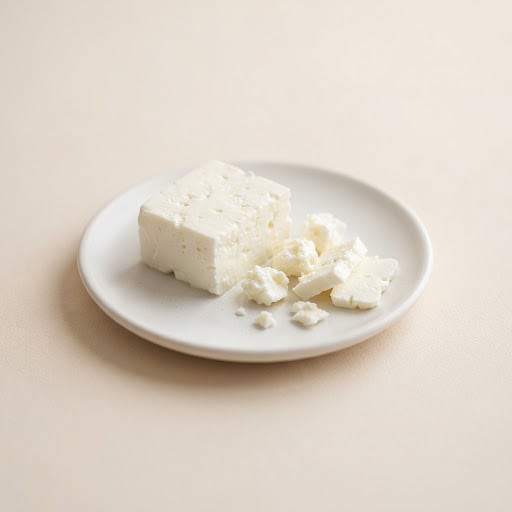
Soak a little pasteurized feta in fresh water for 10 to 15 minutes, then mash a pinch until smooth into plain yogurt, smooth vegetable puree or blended lentils. Offer it on a spoon.

7–8 months
Crumble soaked feta finely and mix a pinch into mashed vegetables, soft scrambled egg or lentils. You can also mash a little into plain yogurt as a spread for soft toast strips.

9–12 months
Offer a few small, soft crumbles, about the size of a pea, mixed into pasta, roasted vegetables or omelet pieces for pincer-grasp practice. Keep using rinsed or soaked feta and stick to small amounts.

12 months +
Toddlers can have crumbled feta on salads, pasta, flatbread, or baked into egg muffins. Rinsed feta still adds plenty of flavor, so a spoonful goes a long way at family meals.
Why it’s good
Feta cheese gives babies protein, calcium, phosphorus, vitamin B12 and riboflavin for growing bones and muscles, plus fat for energy. It also brings a bold, tangy flavor that helps babies learn to enjoy a variety of tastes. Feta is high in sodium, so the benefits come from small portions.
Safety notes
- Only serve feta made with pasteurized milk. Unpasteurized (raw milk) feta can carry Listeria and other harmful bacteria. Check the label for the word pasteurized.
- Feta is high in salt. Rinse it under running water or soak it in fresh water for 10 to 15 minutes to remove some sodium, and keep portions small.
- Crumbly feta can clump and stick in the mouth. Mix it into moist foods or mash it smooth rather than serving large dry crumbles to young babies.
- Feta made from sheep or goat milk is still dairy. Babies with a cow's milk allergy usually react to these milks too, so do not use them as a substitute.
- Store opened feta in its brine in the fridge, and throw it out if it smells sour, turns slimy or grows mold.
Introduce feta cheese on its own, then keep it in
Feta cheese is a dairy food, and cow's milk is one of the Top 9 allergens, so introduce it in a small amount and watch for hives, vomiting, swelling, coughing or wheezing. If your baby has eczema or a known allergy, talk to your pediatrician before introducing dairy, and once dairy is tolerated, keep it in the diet regularly.
Feta cheese for babies: questions parents ask
Quick answers about feta cheese for babies and toddlers.
When can babies have feta cheese?
Babies can have feta cheese from about 6 months, as long as it is pasteurized and offered in small amounts. Because feta is very salty, many parents start with a soaked or rinsed crumble mixed into other foods.
Can babies have feta cheese?
Yes, babies can eat pasteurized feta cheese in small amounts from 6 months. Feta should be an occasional ingredient rather than an everyday food because of its high sodium content.
Is feta cheese a choking hazard for babies?
Feta cheese is a medium choking risk for babies, since firm cubes and chunks can lodge in the throat, so crumble it finely or mash it into moist foods. Dry, chalky crumbles can clump in the mouth, so avoid large chunks and always stay with your baby while they eat.
Is feta cheese a common allergen?
Yes, feta cheese is a common allergen because it is made from milk, and dairy is one of the Top 9 food allergens. This is true for feta made from cow, sheep or goat milk, so introduce a small amount first and watch for signs of a reaction.
How do I serve feta cheese to a 6 month old?
To serve feta cheese to a 6 month old, soak a small piece of pasteurized feta in fresh water, then mash a pinch smooth into plain yogurt or vegetable puree and offer it on a spoon. Fine crumbles in scrambled egg and feta spread on toast strips can follow at 7–8 months.
How do I reduce the salt in feta cheese for my baby?
To reduce the salt in feta cheese, rinse it under cold running water or soak it in a bowl of fresh water for 10 to 15 minutes, then pat it dry. Soaking removes some, but not all, of the sodium, so still keep portions small.
Is feta cheese pasteurized?
Most feta cheese sold in US supermarkets is made from pasteurized milk, but some imported and specialty fetas are made from raw milk. Always check the label for the word pasteurized before giving feta cheese to a baby or toddler.
Is sheep or goat milk feta better for babies?
Sheep or goat milk feta is not safer for babies than cow's milk cheese, and it is still a dairy allergen. Choose any pasteurized feta your family likes, and avoid using it as a swap if your baby has a cow's milk allergy.
How much feta cheese can a baby have?
A baby only needs a small amount of feta cheese, such as a teaspoon or so of crumbles mixed into a meal a few times a week. Lower-sodium cheeses like fresh mozzarella, ricotta or Swiss are better choices for everyday cheese.
Can feta cheese cause constipation in babies?
Feta cheese is low in fiber, and large amounts of cheese can contribute to firmer stools in some babies. Serving feta cheese with vegetables, fruit, beans or whole grains and offering water with meals helps keep things moving.
The takeaway
- Babies can have pasteurized feta cheese from about 6 months in small amounts.
- Soak a little pasteurized feta in fresh water for 10 to 15 minutes, then mash a pinch until smooth into plain yogurt, smooth vegetable puree or blended lentils.
- Choking risk is medium. Dairy is one of the Top 9 allergens: offer a small amount first, watch for a reaction, then keep it in the diet regularly.
Read next


Sources
This guide follows current advice from these organizations.
- Starting Solid Foods American Academy of Pediatrics (HealthyChildren.org)
- When, What, and How to Introduce Solid Foods Centers for Disease Control and Prevention
- Choking Hazards Centers for Disease Control and Prevention
- Choking Prevention American Academy of Pediatrics (HealthyChildren.org)
- Preventing Listeria Infection Centers for Disease Control and Prevention
- The Effects of Early Nutritional Interventions on the Development of Atopic Disease in Infants and Children Greer FR, Sicherer SH, Burks AW; American Academy of Pediatrics. Pediatrics. 2019;143(4):e20190281
Track every new food in your baby’s passport
Track the first 100 foods and the Top 9 allergens. 7 days free.
More dairy foods for babies
Updated November 2026. Reviewed by our dietitians. Based on AAP, CDC and NIAID guidance. Written for healthy, full-term babies; not a substitute for your pediatrician. If your baby was born early, has a medical condition, feeding difficulties or a known allergy, check with them first (medical disclaimer). Always stay with your baby while they eat.