
Dairy Food Library
When can babies have mascarpone cheese?
Can babies have mascarpone cheese?
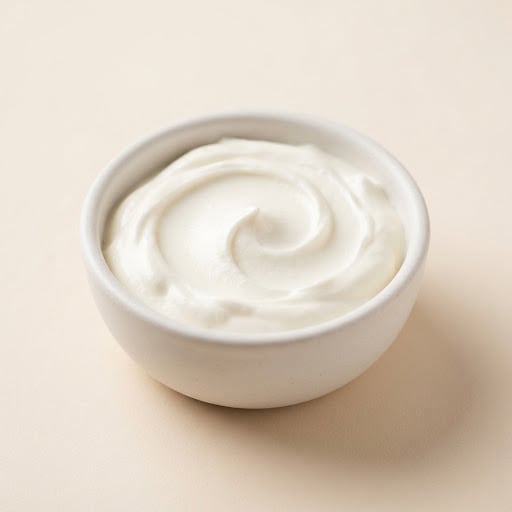
Babies can have pasteurized mascarpone cheese from about 6 months. Mascarpone is a soft, rich Italian cream cheese that is naturally low in salt, so it is easy to swirl into fruit and vegetable purees and, from 7–8 months, to spread thinly on toast. Mascarpone is made from milk and is a dairy allergen.
How to serve mascarpone cheese by age
Shapes and textures change as your baby’s grasp and chewing grow.

6 months
Stir a spoonful of plain, pasteurized mascarpone into smooth mashed fruit, sweet potato puree or oatmeal, and offer it on a spoon or a preloaded spoon. Its rich texture makes purees creamy and easy to swallow.

7–8 months
Swirl mascarpone into thicker, lumpier mashes, or spread a thin layer on soft toast strips for baby to hold. Keep the layer thin so it does not form a sticky glob.

9–12 months
Use mascarpone as a dip for soft fruit pieces or roasted vegetable sticks, or toss it with small pasta for a creamy sauce. Babies can scoop it with fingers or a preloaded spoon.

12 months +
Toddlers can have mascarpone in pasta sauces, on pancakes or as a dip. Skip sweetened versions and desserts like tiramisu, which contain added sugar, coffee and sometimes raw egg or alcohol.
Why it’s good
Mascarpone cheese gives babies fat for energy and brain growth, plus vitamin A and some calcium and protein. Because it is mostly cream, it has less protein and calcium than harder cheeses. Mascarpone is naturally low in sodium, which makes it a useful soft cheese for babies.
Safety notes
- Choose mascarpone made from pasteurized milk or cream. Check the label to avoid raw milk products, which can carry Listeria.
- Use plain mascarpone. Sweetened or flavored versions contain added sugar, which is best avoided before age 2.
- Avoid tiramisu and other desserts for babies and toddlers. They often contain raw egg, coffee, alcohol and sugar.
- Mascarpone is very rich. Use it as part of a meal rather than the main food, so it does not crowd out iron-rich foods.
- Keep opened mascarpone refrigerated and use it within a few days. Throw it out if it smells sour, turns yellow or grows mold.
Introduce mascarpone cheese on its own, then keep it in
Mascarpone cheese is made from cow's milk cream, and dairy is one of the Top 9 food allergens. Introduce a small amount and watch for hives, vomiting, swelling, coughing or wheezing, and keep dairy in the diet once tolerated.
Mascarpone cheese for babies: questions parents ask
Quick answers about mascarpone cheese for babies and toddlers.
When can babies have mascarpone cheese?
Babies can have mascarpone cheese from about 6 months of age, as long as it is pasteurized and plain. Mascarpone cheese is low in salt and easy to spread, which makes it a good soft cheese for babies.
Can babies have mascarpone cheese?
Yes, babies can eat plain, pasteurized mascarpone cheese. Mascarpone cheese can be spread on toast, mixed into purees or used as a creamy dip.
Is mascarpone cheese a choking hazard for babies?
Mascarpone cheese is a low choking risk because it is smooth and soft. Spread mascarpone cheese thinly so it does not form a thick, sticky layer, and stay with your baby while eating.
Is mascarpone cheese a common allergen?
Yes, mascarpone cheese is a common allergen because it is made from milk, one of the Top 9 food allergens. Start with a small amount and watch for signs of a reaction.
How do I serve mascarpone cheese to a 6 month old?
To serve mascarpone cheese to a 6 month old, stir a spoonful into smooth mashed fruit or vegetables and offer it on a spoon. Plain mascarpone cheese works well with sweet potato, pears and oatmeal. Thin spreads on toast strips can follow at 7–8 months.
Is mascarpone cheese healthy for babies?
Mascarpone cheese gives babies fat, energy and vitamin A, with very little salt. Mascarpone cheese is lower in protein and calcium than other cheeses, so rotate it with yogurt, ricotta and mild hard cheeses.
Can babies have tiramisu?
No, babies and toddlers should not have tiramisu. Tiramisu often contains raw egg, coffee, sugar and sometimes alcohol, even though mascarpone cheese itself is fine for babies.
What is the difference between mascarpone and cream cheese?
Mascarpone is richer and creamier than cream cheese and usually has less salt. Both are soft dairy cheeses that babies can have from 6 months, as long as they are pasteurized.
Is mascarpone cheese pasteurized?
Most mascarpone cheese sold in supermarkets is made with pasteurized cream. Always check the label for the word pasteurized before giving mascarpone cheese to babies.
The takeaway
- Babies can have pasteurized mascarpone cheese from about 6 months.
- Stir a spoonful of plain, pasteurized mascarpone into smooth mashed fruit, sweet potato puree or oatmeal, and offer it on a spoon or a preloaded spoon.
- Choking risk is low. Dairy is one of the Top 9 allergens: offer a small amount first, watch for a reaction, then keep it in the diet regularly.
Read next


Sources
This guide follows current advice from these organizations.
- Starting Solid Foods American Academy of Pediatrics (HealthyChildren.org)
- When, What, and How to Introduce Solid Foods Centers for Disease Control and Prevention
- Choking Hazards Centers for Disease Control and Prevention
- Foods and Drinks to Avoid or Limit Centers for Disease Control and Prevention
- Preventing Listeria Infection Centers for Disease Control and Prevention
- Dietary Guidelines for Americans, 2020-2025 U.S. Department of Agriculture and HHS
- The Effects of Early Nutritional Interventions on the Development of Atopic Disease in Infants and Children Greer FR, Sicherer SH, Burks AW; American Academy of Pediatrics. Pediatrics. 2019;143(4):e20190281
Track every new food in your baby’s passport
Track the first 100 foods and the Top 9 allergens. 7 days free.
More dairy foods for babies
Updated November 2026. Reviewed by our dietitians. Based on AAP, CDC and NIAID guidance. Written for healthy, full-term babies; not a substitute for your pediatrician. If your baby was born early, has a medical condition, feeding difficulties or a known allergy, check with them first (medical disclaimer). Always stay with your baby while they eat.