
Dairy Food Library
When can babies have labneh?
Can babies have labneh?
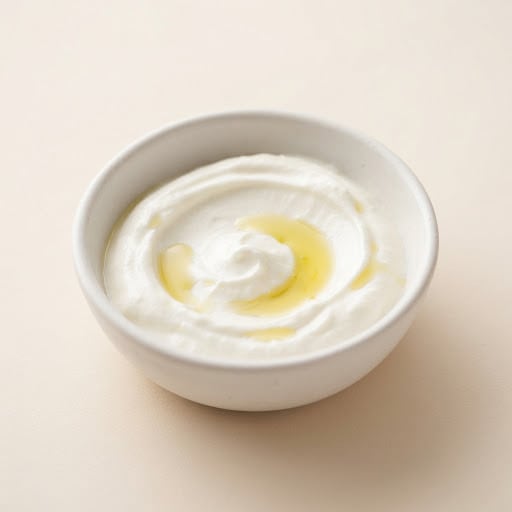
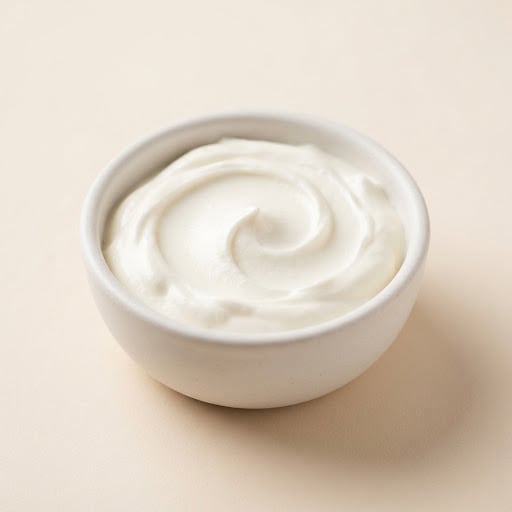
Babies can have pasteurized labneh from about 6 months, offered on a spoon or swirled into puree, and spread thinly on toast strips from 7–8 months. Labneh is strained yogurt, so it is thick, creamy and rich in protein. Labneh balls rolled in oil are firmer and harder to manage, so save those for toddlers.
How to serve labneh by age
Shapes and textures change as your baby’s grasp and chewing grow.

6 months
Offer plain, pasteurized labneh on a spoon or a pre-loaded spoon, thinned with a little breast milk or formula if it is very thick. You can also swirl it into smooth fruit or vegetable puree.

7–8 months
Mix labneh into lumpier mashed fruit or vegetables, or spread a thin layer on soft toast strips your baby can hold. Avoid thick globs, which can stick in the mouth.

9–12 months
Use labneh as a dip for soft roasted vegetable sticks or toast. Thin it with a little breast milk, formula or whole cow's milk or water if it is very thick.

12 months +
Toddlers can have labneh on bread, as a dip, or with olive oil and herbs. Cut labneh balls into small pieces or spread them thinly.
Why it’s good
Labneh is a good source of protein, fat, calcium and vitamin B12. It also contains live cultures from yogurt. Some labneh has added salt, so choose lower-sodium brands.
Safety notes
- Choose labneh made from pasteurized milk.
- Some labneh contains added salt. Check the label or make your own.
- Labneh balls are firm and can be a choking risk. Spread them thinly or cut them small.
- Do not serve labneh in thick globs, which can stick in the mouth.
Introduce labneh on its own, then keep it in
Labneh is made from milk, a Top 9 allergen. Introduce a small amount and watch for hives, vomiting or swelling.
Labneh for babies: questions parents ask
Quick answers about labneh for babies and toddlers.
When can babies have labneh?
Babies can have pasteurized labneh from about 6 months, on a spoon or swirled into puree, and spread thinly on toast from about 7–8 months. Labneh is a soft, rich way to introduce dairy.
Can babies have labneh?
Yes, babies can eat labneh in small amounts. Choose pasteurized labneh with little or no added salt.
Is labneh a choking hazard for babies?
Labneh can be a choking hazard if served in thick globs or as firm labneh balls. Spreading labneh thinly lowers the risk.
Is labneh a common allergen?
Yes, labneh is a common allergen because it is made from milk, a Top 9 food allergen. Watch for signs of a reaction when you first serve it.
How do I serve labneh to a 6 month old?
To serve labneh to a 6 month old, offer it on a spoon or a pre-loaded spoon, thinned with a little breast milk or formula if it is thick. Labneh can also be mixed with smooth fruit puree. A thin layer on a toast strip can follow at 7–8 months.
Is labneh the same as Greek yogurt?
Labneh is similar to Greek yogurt but strained longer, so it is thicker. Labneh often has a little salt added, while Greek yogurt usually does not.
Can I make labneh at home for my baby?
Yes, you can make labneh at home by straining plain whole-milk yogurt in a cloth overnight in the fridge. Homemade labneh lets you skip added salt.
Is labneh high in salt?
Store-bought labneh can contain added salt. Compare labels and choose lower-sodium labneh for babies.
The takeaway
- Babies can have pasteurized labneh from about 6 months, offered on a spoon or swirled into puree, and spread thinly on toast strips from 7–8 months.
- Offer plain, pasteurized labneh on a spoon or a pre-loaded spoon, thinned with a little breast milk or formula if it is very thick.
- Choking risk is medium. Dairy is one of the Top 9 allergens: offer a small amount first, watch for a reaction, then keep it in the diet regularly.
Read next


Sources
This guide follows current advice from these organizations.
- Starting Solid Foods American Academy of Pediatrics (HealthyChildren.org)
- When, What, and How to Introduce Solid Foods Centers for Disease Control and Prevention
- Choking Hazards Centers for Disease Control and Prevention
- Choking Prevention American Academy of Pediatrics (HealthyChildren.org)
- Foods and Drinks to Avoid or Limit Centers for Disease Control and Prevention
- The Effects of Early Nutritional Interventions on the Development of Atopic Disease in Infants and Children Greer FR, Sicherer SH, Burks AW; American Academy of Pediatrics. Pediatrics. 2019;143(4):e20190281
Track every new food in your baby’s passport
Track the first 100 foods and the Top 9 allergens. 7 days free.
More dairy foods for babies
Updated November 2026. Reviewed by our dietitians. Based on AAP, CDC and NIAID guidance. Written for healthy, full-term babies; not a substitute for your pediatrician. If your baby was born early, has a medical condition, feeding difficulties or a known allergy, check with them first (medical disclaimer). Always stay with your baby while they eat.