
Dairy Food Library
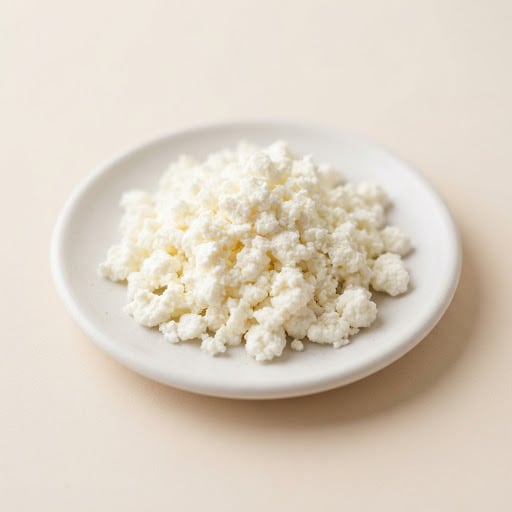
When can babies have queso fresco?
Can babies have queso fresco?
Babies can have queso fresco from about 12 months, and only if it is pasteurized and heated until steaming. Fresh, soft cheeses like queso fresco have been linked to Listeria outbreaks, even when pasteurized, so it is safest to wait and cook it. Queso fresco is a dairy allergen.
How to serve queso fresco by age
Shapes and textures change as your baby’s grasp and chewing grow.

6 months
Wait on queso fresco for now because of its Listeria risk. Offer lower-risk dairy instead, like plain whole-milk yogurt on a spoon or pasteurized ricotta cooked into a smooth puree.

7–8 months
Keep waiting on queso fresco. Continue with other pasteurized dairy cooked into food, such as plain yogurt, ricotta stirred into lumpier mashes, or mild cheddar or mozzarella grated and melted thinly.

9–12 months
Keep waiting on queso fresco. Continue with other pasteurized cheeses heated into foods, such as melted mozzarella on beans or ricotta baked into pancakes.

12 months +
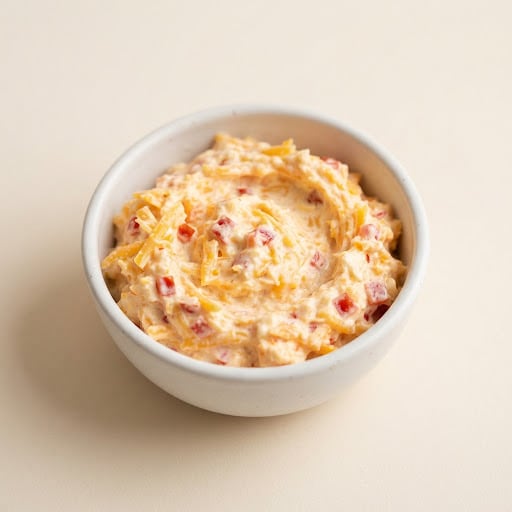
Heat pasteurized queso fresco until steaming hot, for example crumbled into scrambled eggs, beans or a warm tortilla, then cool and serve small crumbles. Offer it in small amounts as an occasional food.
Why it’s good
Queso fresco gives toddlers protein, calcium, phosphorus, vitamin B12 and zinc for growing bones and muscles. It is mild and lower in sodium than many aged cheeses, which makes it easy to pair with beans, eggs and vegetables.
Safety notes
- Never serve unpasteurized queso fresco to babies or young children. Raw milk soft cheeses carry a high risk of Listeria and other bacteria.
- Even pasteurized queso fresco has been linked to Listeria outbreaks. Heat it until steaming hot (165°F or 74°C) before serving to young children.
- Buy queso fresco from a store, with a clear pasteurized label and use-by date. Avoid cheese from street vendors or unlabeled market stalls.
- Crumble queso fresco into small pieces or melt it into food. Avoid thick slabs or cubes.
- Keep queso fresco refrigerated and use it within a few days of opening.
Introduce queso fresco on its own, then keep it in
Queso fresco is made from cow's milk, one of the Top 9 allergens. Introduce dairy earlier with lower-risk foods like yogurt, and once your toddler tolerates dairy, offer queso fresco in a small, heated amount and watch for hives, vomiting or swelling.
Queso fresco for babies: questions parents ask
Quick answers about queso fresco for babies and toddlers.
When can babies have queso fresco?
Babies can have queso fresco from about 12 months, as long as the queso fresco is pasteurized and heated until steaming hot. Waiting until 12 months lowers the risk from Listeria, which fresh soft cheeses can carry.
Can babies have queso fresco?
Babies under 12 months are better off waiting on queso fresco because of its higher risk of Listeria. Toddlers can eat pasteurized queso fresco that has been heated until steaming, then cooled.
Is queso fresco a choking hazard for babies?
Queso fresco can be a choking hazard when served in thick slabs or cubes, though its crumbly texture makes it lower risk than firm cheeses. Offer small crumbles or melt queso fresco into food, and always supervise meals.
Is queso fresco a common allergen?
Yes, queso fresco is a common allergen because it is made from cow's milk, one of the Top 9 food allergens. Introduce dairy with other foods first and watch for reactions when queso fresco is added.
How do I serve queso fresco to a 6 month old?
Queso fresco is best skipped for a 6 month old because of its Listeria risk. Offer plain yogurt or other pasteurized cheeses cooked into food instead, and wait until 12 months for heated, pasteurized queso fresco.
Why is queso fresco riskier than other cheeses?
Queso fresco is a fresh, moist, unaged cheese, which lets bacteria like Listeria grow more easily. Some outbreaks have been traced to pasteurized queso fresco contaminated after pasteurization, so heating it adds protection.
How do I heat queso fresco for a toddler?
Heat queso fresco until it is steaming hot, for example by crumbling it into scrambled eggs, warm beans or a quesadilla, or microwaving it until bubbling. Let it cool to a safe temperature before serving.
Can queso fresco help babies poop?
Queso fresco has no fiber, so it does not help with pooping, and large amounts of cheese can firm up stools. Serve queso fresco with beans, vegetables or fruit to balance the meal.
The takeaway
- Babies can have queso fresco from about 12 months, and only if it is pasteurized and heated until steaming.
- Heat pasteurized queso fresco until steaming hot, for example crumbled into scrambled eggs, beans or a warm tortilla, then cool and serve small crumbles.
- Choking risk is medium. Dairy is one of the Top 9 allergens: offer a small amount first, watch for a reaction, then keep it in the diet regularly.
Read next

Sources
This guide follows current advice from these organizations.
- Starting Solid Foods American Academy of Pediatrics (HealthyChildren.org)
- When, What, and How to Introduce Solid Foods Centers for Disease Control and Prevention
- Choking Hazards Centers for Disease Control and Prevention
- Choking Prevention American Academy of Pediatrics (HealthyChildren.org)
- Foods and Drinks to Avoid or Limit Centers for Disease Control and Prevention
- Preventing Listeria Infection Centers for Disease Control and Prevention
- The Effects of Early Nutritional Interventions on the Development of Atopic Disease in Infants and Children Greer FR, Sicherer SH, Burks AW; American Academy of Pediatrics. Pediatrics. 2019;143(4):e20190281
Track every new food in your baby’s passport
Track the first 100 foods and the Top 9 allergens. 7 days free.
More dairy foods for babies
Updated November 2026. Reviewed by our dietitians. Based on AAP, CDC and NIAID guidance. Written for healthy, full-term babies; not a substitute for your pediatrician. If your baby was born early, has a medical condition, feeding difficulties or a known allergy, check with them first (medical disclaimer). Always stay with your baby while they eat.